Every ingredient, explained.
What it is, where it comes from, what the research has and hasn’t settled — and exactly how much is in a WellsparQ formula. Referenced, plain-English and searchable.
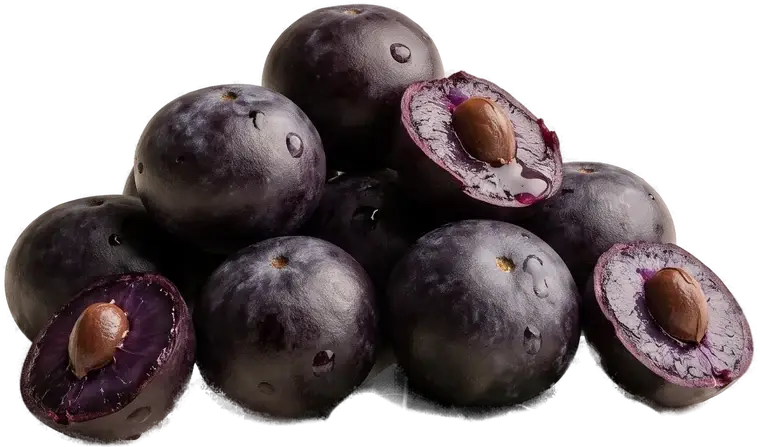
Acai Berry
Açaí has travelled from Amazon floodplains into global supplements, wrapped in marketing noise. We cut through that noise to describe what the berry actually is, which compounds matter, and what research has and has not established.
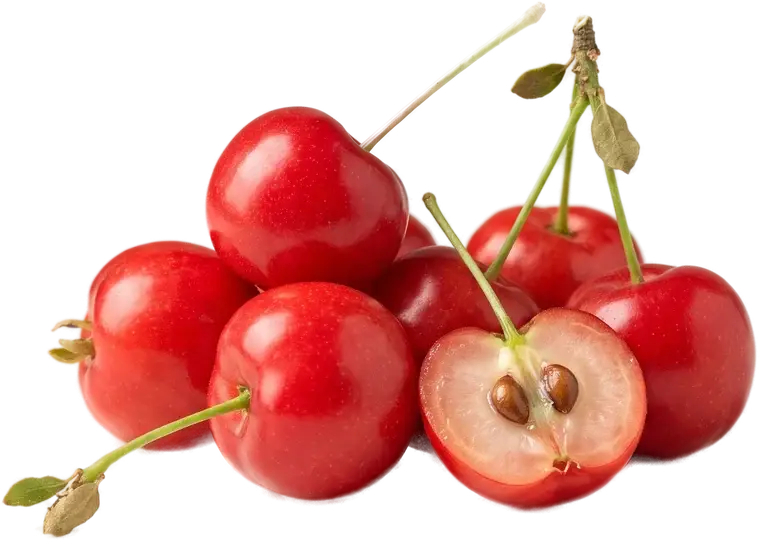
Acerola Cherry
Acerola cherry is famous for one thing: exceptionally high natural vitamin C. WellsparQ uses it as a whole-fruit source and standardises the extract so you know exactly how much vitamin C you get.
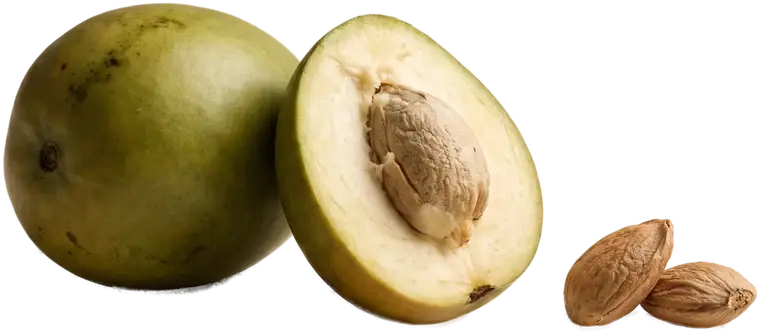
African Mango
A West African tree seed with a long culinary history, African mango has attracted attention in supplements. The scientific case for its use beyond the kitchen is still thin and tentative.
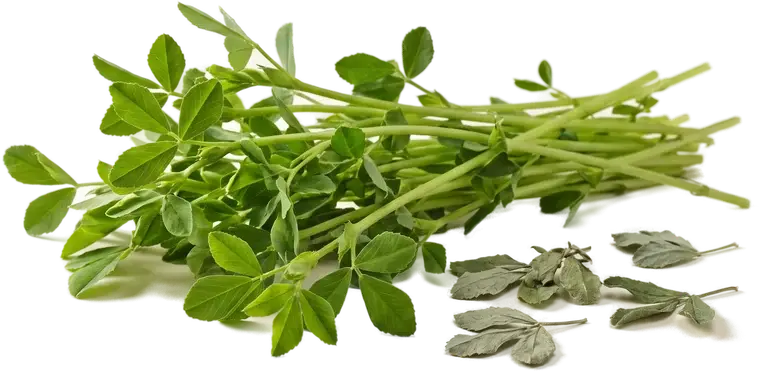
Alfalfa
Alfalfa (Medicago sativa) is an ancient legume valued for its nutrient-dense leaves. In supplements it often appears as a named, weighed botanical rather than a hidden extract.
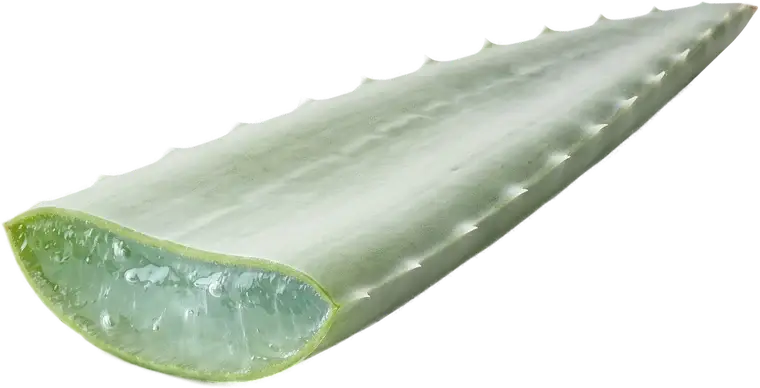
Aloe Vera
Aloe vera is two very different substances in one leaf: a clear inner gel and a bitter yellow latex. Which part a product uses — and whether the latex has been removed — determines safety and regulatory standing.
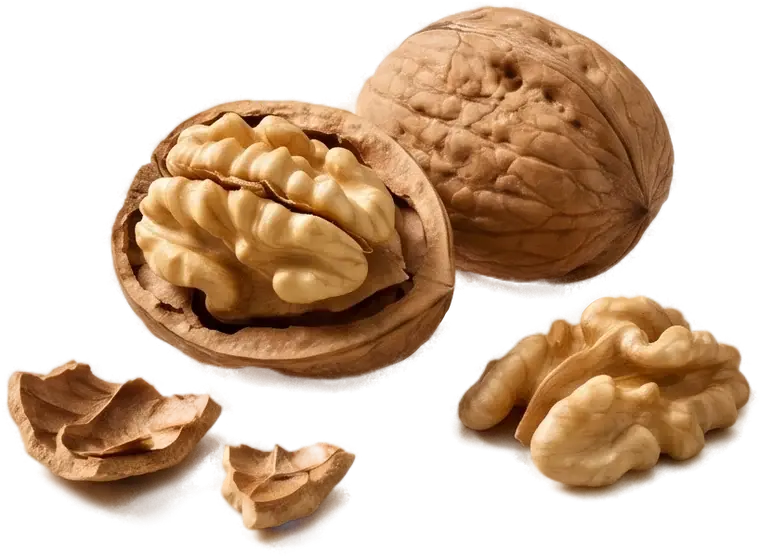
Alpha-Linolenic Acid (ALA)
Alpha-linolenic acid (ALA) is the plant omega-3 fatty acid the body cannot make. It’s the dietary starting point for the omega-3 family and is abundant in seeds and certain vegetable oils.
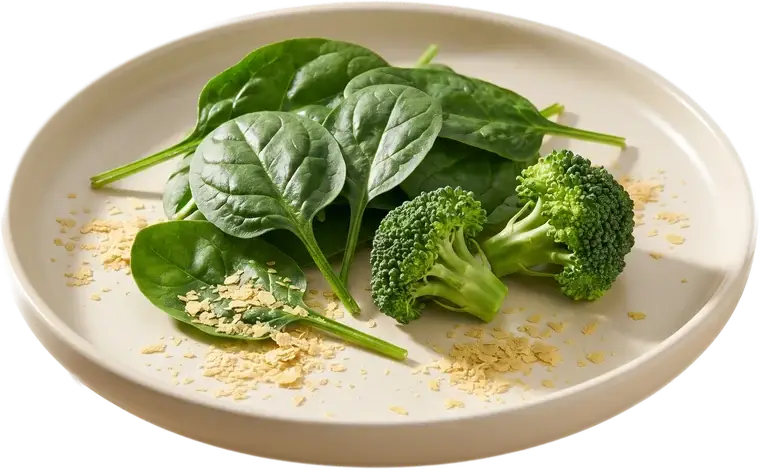
Alpha-Lipoic Acid
Alpha-lipoic acid (ALA) is a sulphur-containing compound the body makes in small amounts. Supplements provide the free form found in labs rather than the tiny, bound quantities present in food.
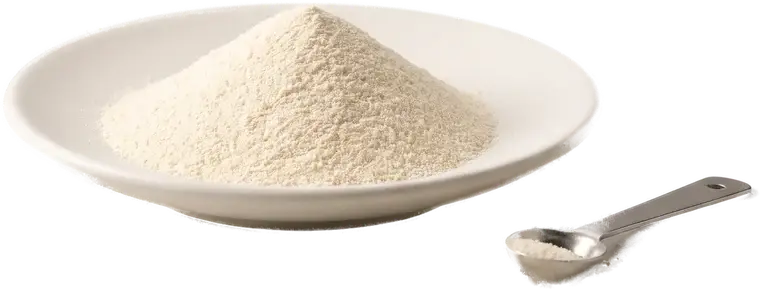
Amylase (enzyme)
Amylase is the enzyme that starts breaking down starch the moment you chew your toast. For supplements, the active capacity of amylase is measured by enzyme activity units, not just milligrams.
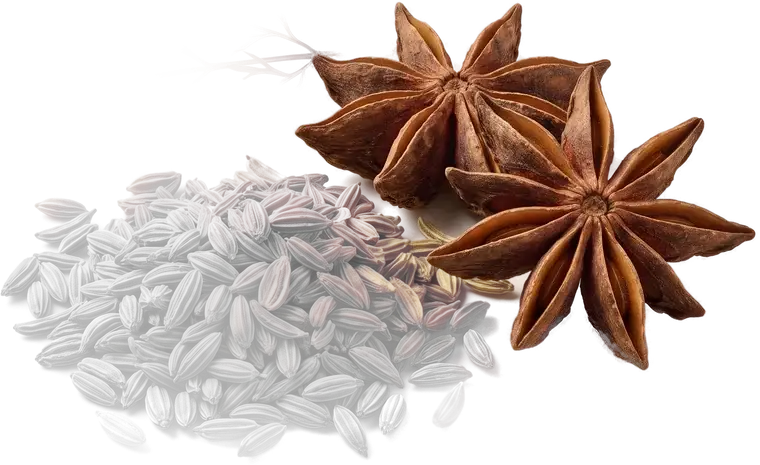
Aniseed
Aniseed is the sweet, liquorice-like seed used in breads, biscuits and anise-flavoured drinks. This piece explains the plant, the molecule that defines its aroma, and how WellsparQ responsibly uses small amounts in a formula.
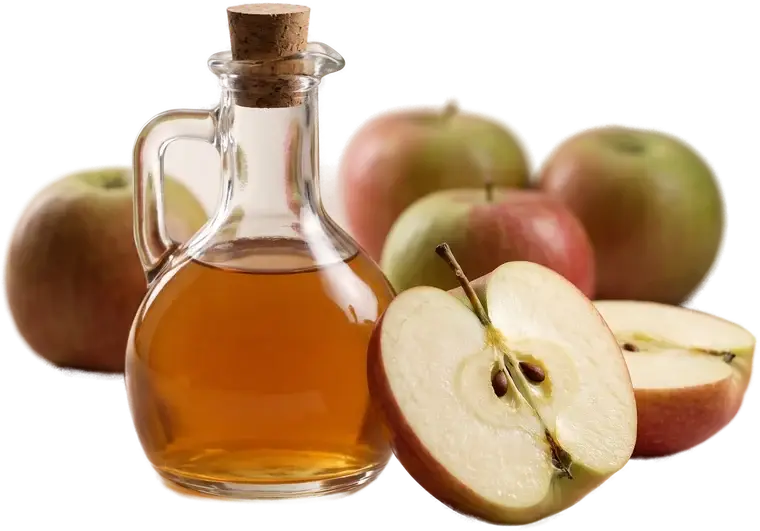
Apple Cider Vinegar
Apple cider vinegar is familiar as a sharp, tangy kitchen staple. In capsule form it’s a convenient way to include vinegar-derived compounds without the taste or acidity.
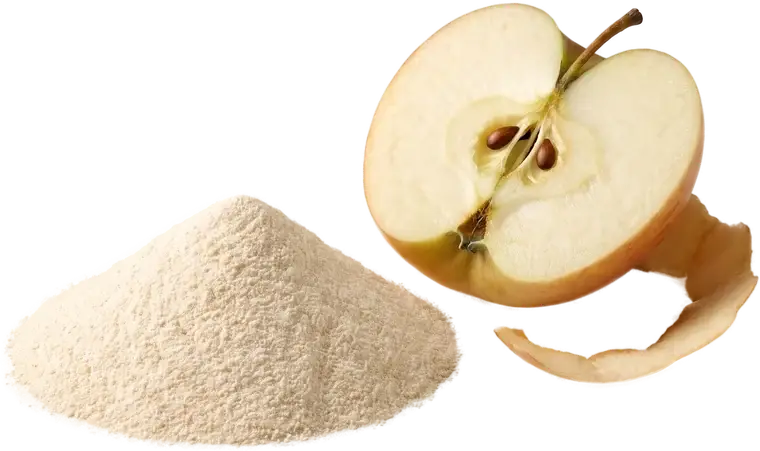
Apple Pectin
Apple pectin is the plant fibre that sets jam — and a common source of soluble fibre in supplements. It has a recognised regulatory position, but that position depends on dose.
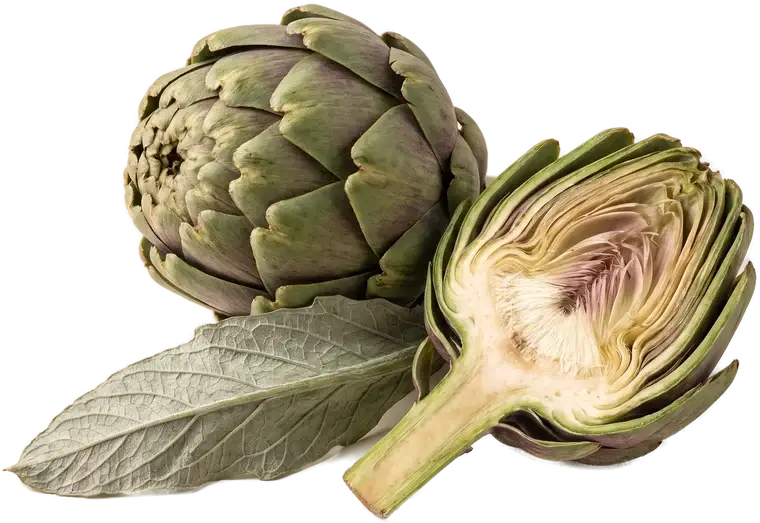
Artichoke
The artichoke used in supplements is the bitter leaf, not the familiar edible heart. This article explains which plant part is used, the compounds responsible for its bitterness, and what the evidence and regulations actually allow us to say.
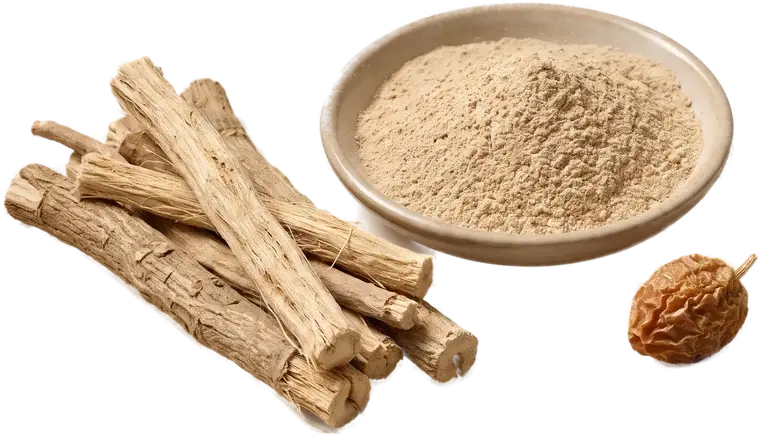
Ashwagandha
Ashwagandha (Withania somnifera) is a widely sold botanical in supplements. This piece explains what part of the plant matters, how extracts are defined, and what the regulatory picture looks like.
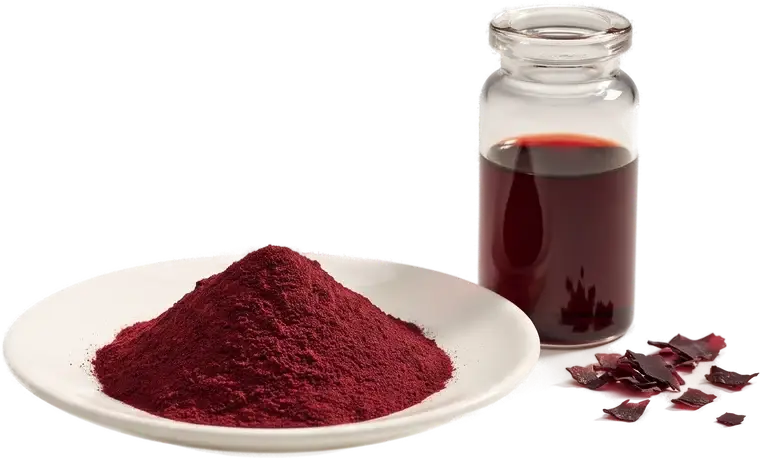
Astaxanthin
A red pigment from algae that colours salmon and krill, astaxanthin appears in microgram quantities across WellsparQ products. This page explains what the molecule is, where it comes from, and how WellsparQ declares and uses it.

Astragalus Root
A single botanical root sits among mushrooms on the FungiBlend label — and the label wording causes a small but important mix-up. This piece clears up what Astragalus root is and why it appears in WellsparQ's mushroom blend.
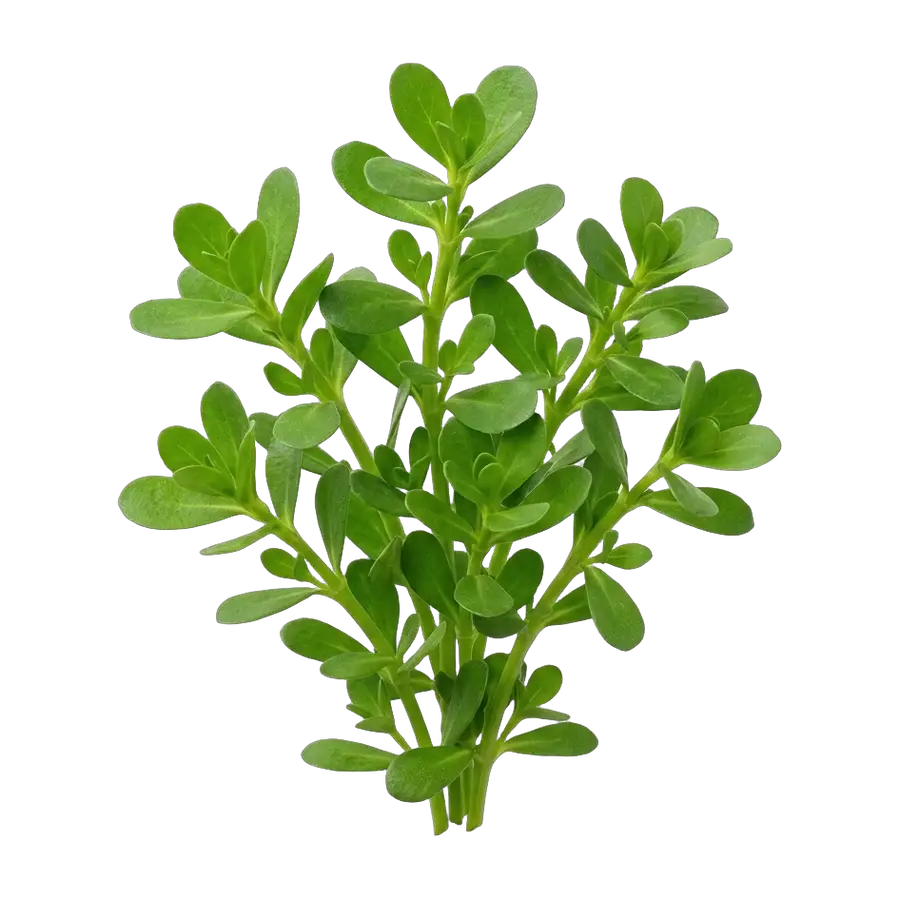
Bacopa Monnieri
A marsh-dwelling herb from Ayurvedic tradition, Bacopa monnieri (brahmi) is used in supplements for its distinctive saponin profile. WellsparQ lists it at 300 mg in BacoPanax Complex and presents the evidence carefully, without overstating effects.

Bamboo Silica
You’ve probably seen ‘bamboo’ as a small line on a supplement label. It’s often the plant source of silica, and understanding that line lets you read the panel with more confidence.
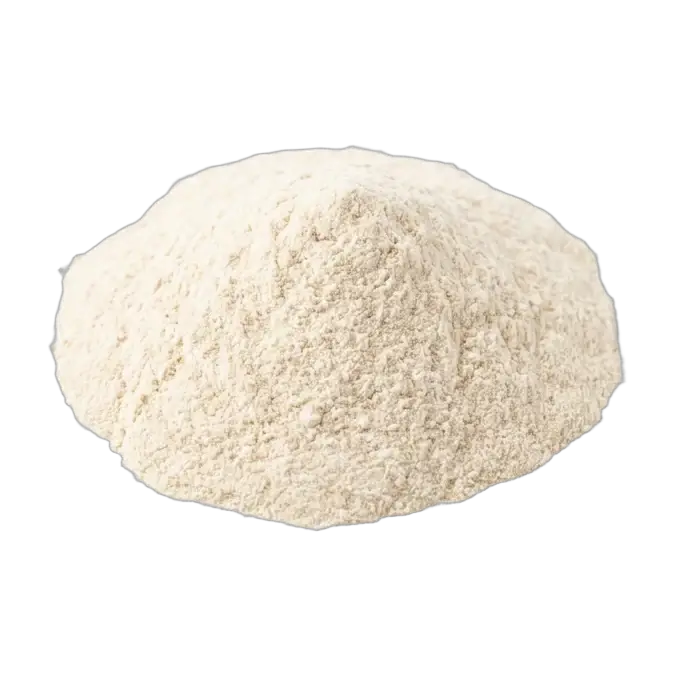
Baobab
The baobab is instantly recognisable across the African savannah — a thick, bottle-shaped trunk topped by bare branches that look like roots in the sky. Its dry, powdery fruit pulp has been a local food staple for centuries and turns up now in modern supplements as a modest, whole-food botanical.
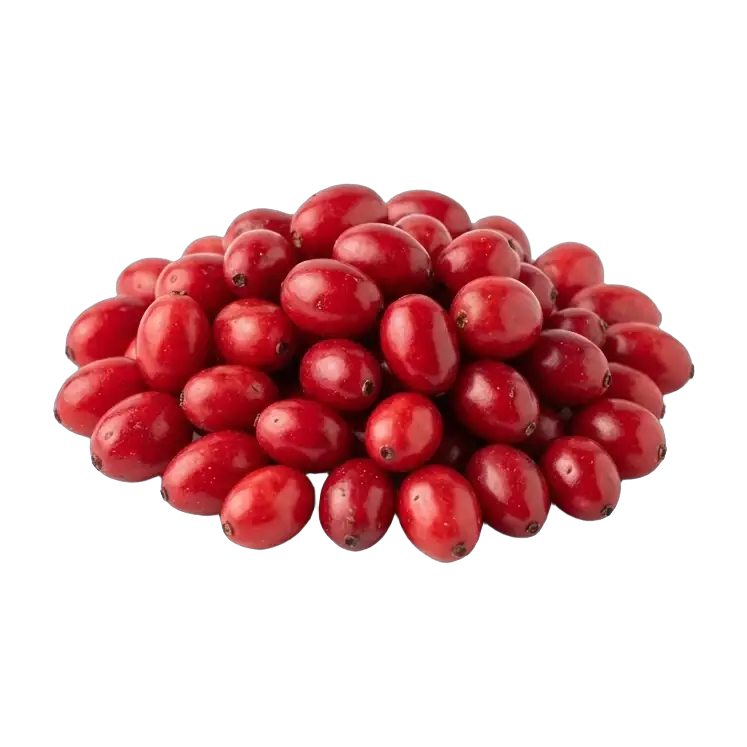
Barberry
A spiny European shrub with vivid yellow inner bark, barberry is best known for the alkaloid berberine. Interest in the plant is both historical and scientific, and its safety and regulatory status are under active review.
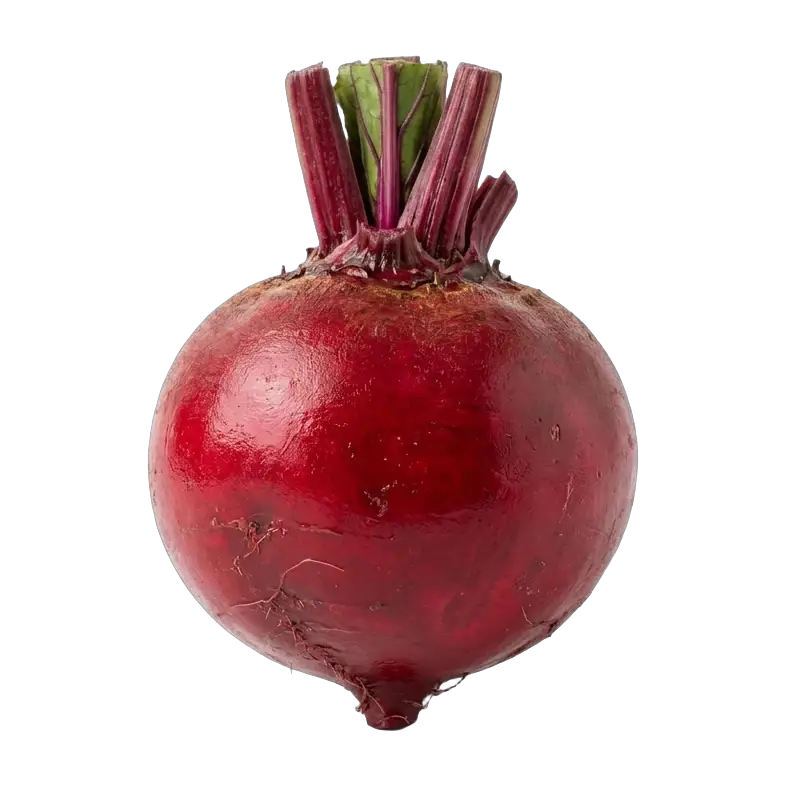
Beetroot
Beetroot brings a deep-red colour and a measurable chemical signature to supplements. WellsparQ measures and declares both the pigments and the dietary nitrate so you know what is in the capsule.
Beta-Alanine
Beta-alanine is a small, non-essential amino acid that’s best known as the precursor to muscle carnosine. Researchers have tested it extensively in sports settings, and the strongest finding is biochemical: supplemental beta-alanine raises muscle carnosine over weeks.
Betaine Hydrochloride
Betaine hydrochloride sounds technical, but it’s simply trimethylglycine supplied as a hydrochloride salt. This article explains what betaine is, why the hydrochloride form is used, and what can and cannot be said about its effects under UK/GB rules.
Bifidobacterium bifidum
A billion small cells with a long story. Bifidobacterium bifidum is the species that gave its name to the whole genus and remains a reference point for researchers and formulators.
Bifidobacterium infantis
A common label name hides a taxonomic update. Bifidobacterium infantis is now classified within Bifidobacterium longum, and that matters for clarity when reading labels and research.
Bifidobacterium longum
A common gut bacterium across the life course, Bifidobacterium longum is often the dominant bifidobacterium in later life and includes the organism historically labelled B. infantis. WellsparQ lists it as a named live culture when present in blends.
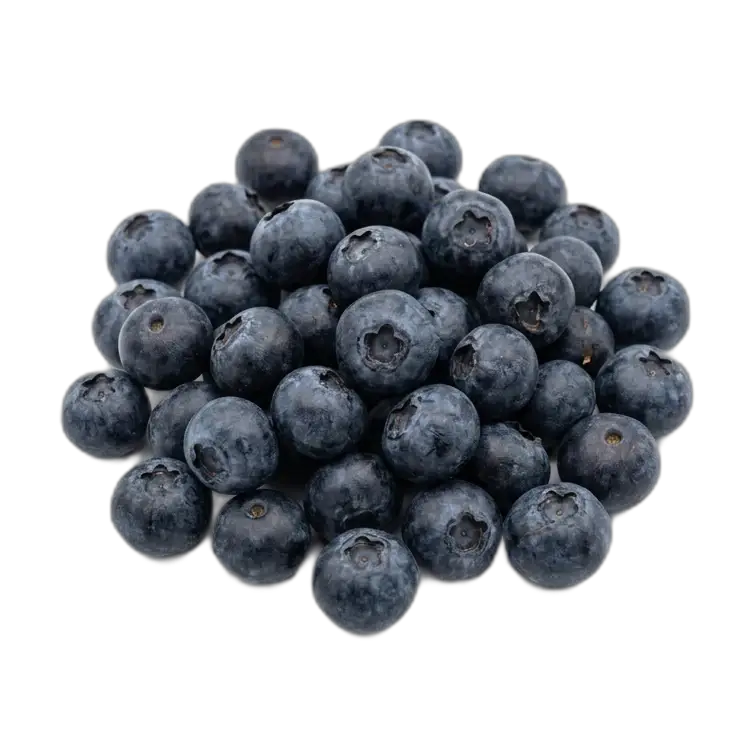
Bilberry
Small, dark and deeply purple, bilberry (Vaccinium myrtillus) is a different wild berry to the cultivated blueberry. Its colour comes from a specific family of pigments that is the focus of both analysis and standardisation in supplements.
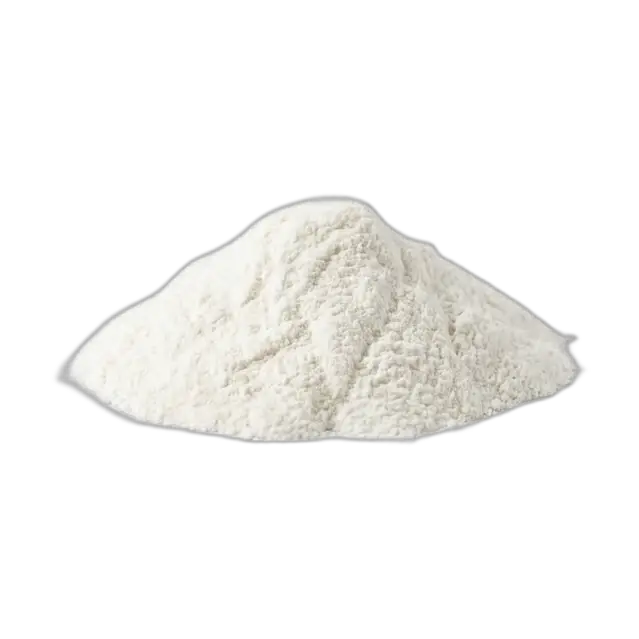
Biotin
A tiny vitamin often shown in micrograms. Biotin is a bona fide B vitamin with a clearly defined biochemical role, yet its marketing often overstates what supplements can claim.
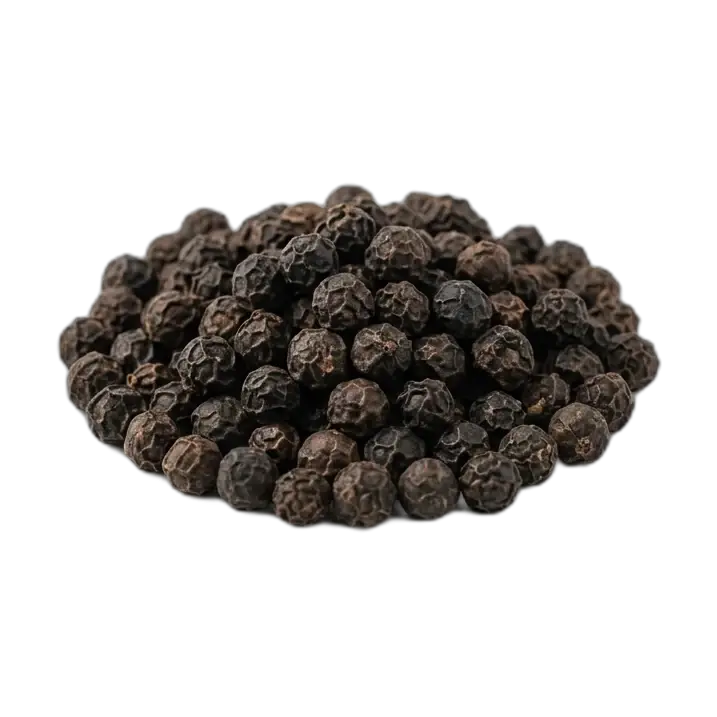
Black Pepper (Piperine)
A few milligrams of black pepper often sit near the bottom of supplement labels. That tiny line usually represents piperine — a well-studied component included for formulation reasons rather than as a health promise.
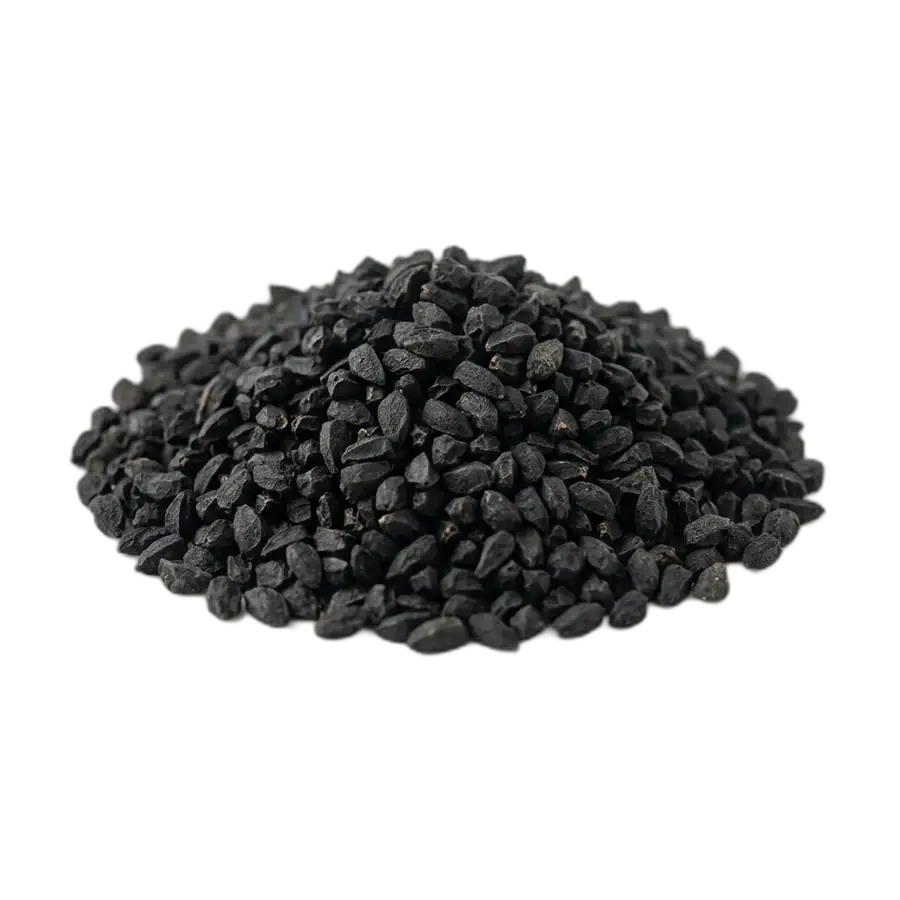
Black Seed (Nigella)
Tiny, black seeds with a long culinary history are also the subject of modern research. WellsparQ separates the heritage and laboratory interest from any claim of benefit.
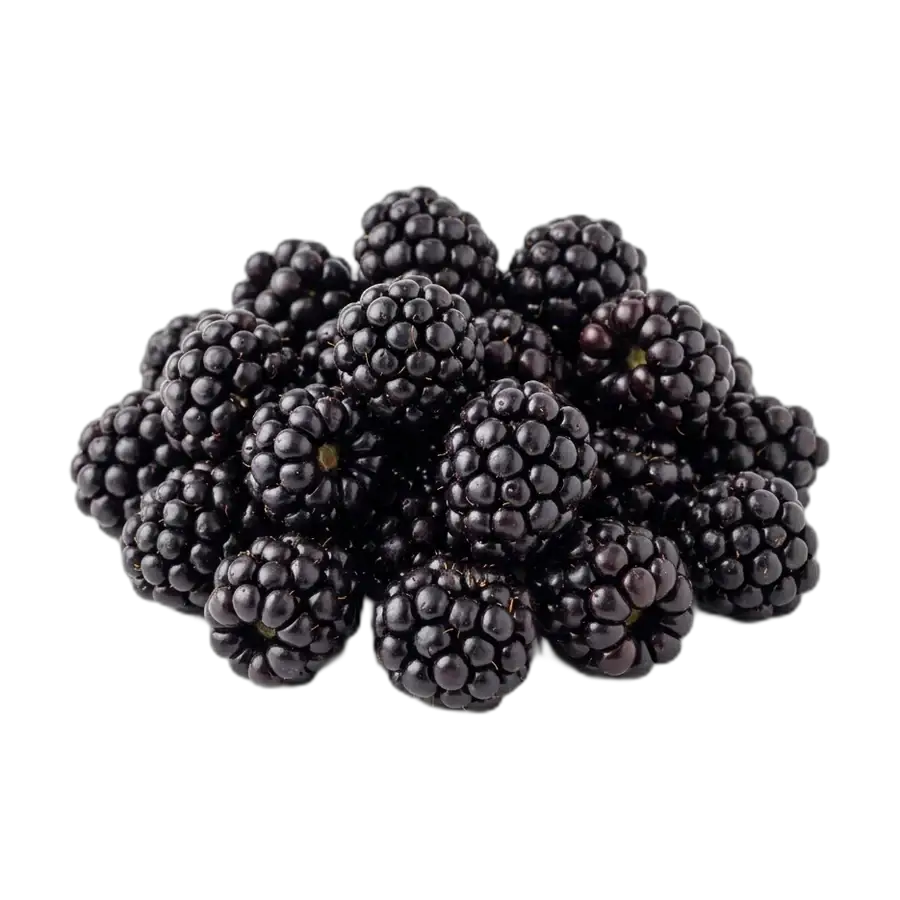
Blackberry
Blackberries are a familiar British hedgerow fruit that appear in WellsparQ formulas as measured extracts. This article explains what’s actually in blackberry and what the research and regulators allow us to say about it.

Broccoli
Broccoli is familiar on the plate, less familiar in a capsule. This article explains what’s actually in broccoli extracts and why that matters for how much of certain compounds you might receive.
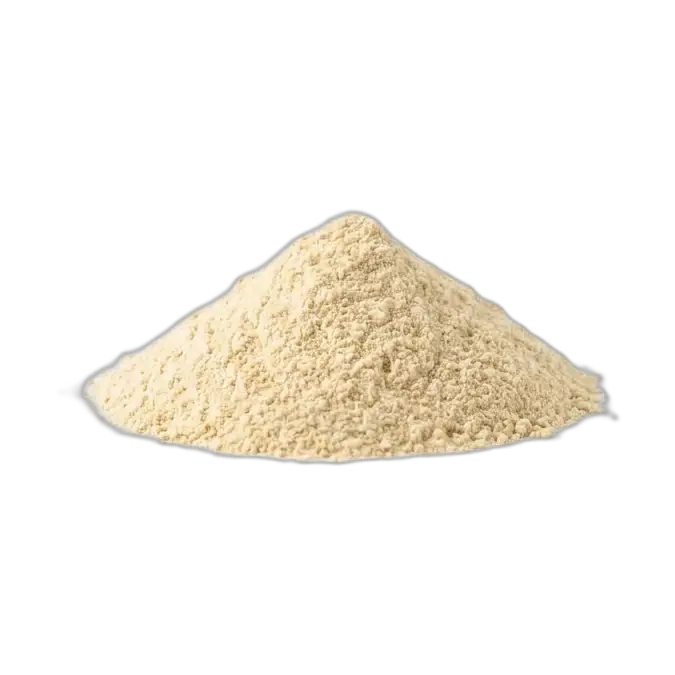
Bromelain
Bromelain is a pineapple-derived enzyme measured by how much activity it has, not merely by milligrams. WellsparQ labels show activity (GDU) so you know what the enzyme can do under set conditions.
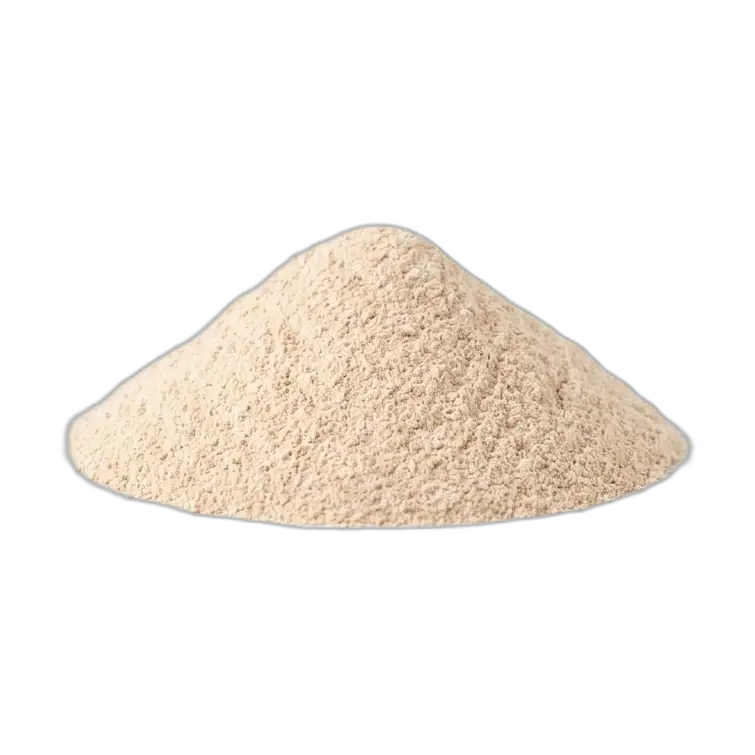
Brown Rice Protein
Brown rice yields a surprisingly concentrated plant protein when the starchy parts are washed away. The result is a mild-tasting powder that suits vegan and dairy-free diets and is measured by gram-for-gram protein content.
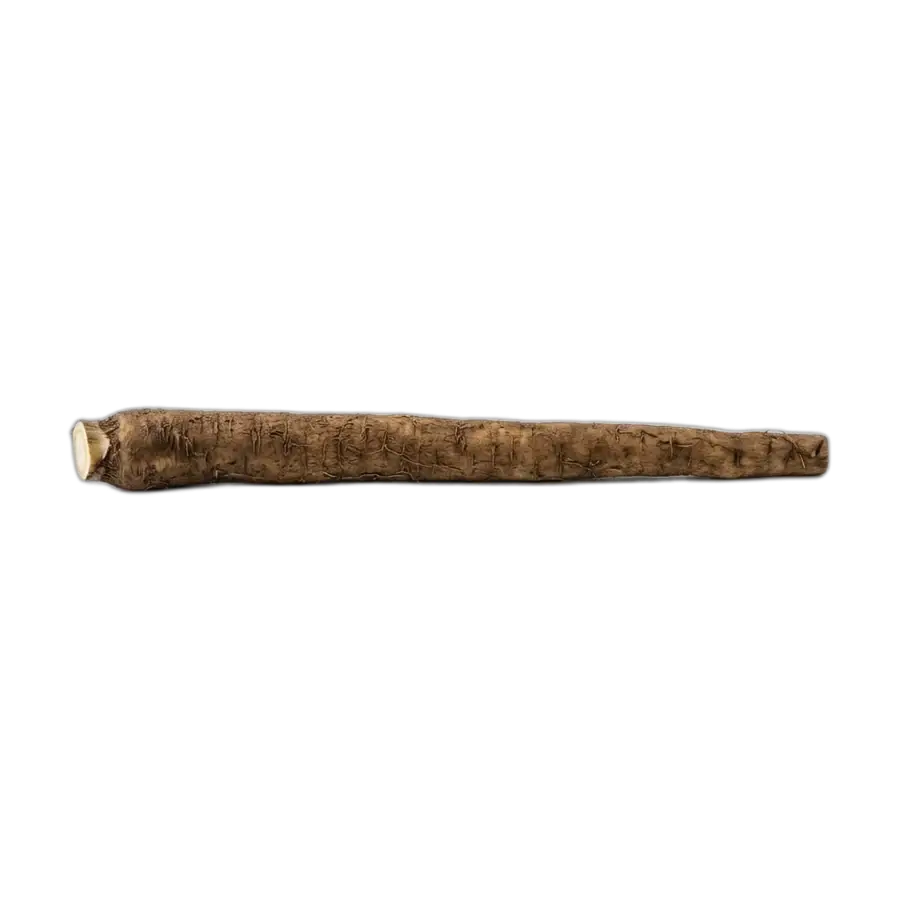
Burdock Root
Burdock root is the long taproot of Arctium lappa, dug, dried and used as food and herbal material across Europe and East Asia for centuries. It contains inulin, lignans and caffeoylquinic acids — chemical markers that chemists and regulators use to define the ingredient.
Caffeine
Caffeine is the compound most people in Britain consume daily, often without thinking of it as a supplement. This article explains what caffeine is, how WellsparQ labels it, and why the brand chooses to declare milligrams rather than make claims.
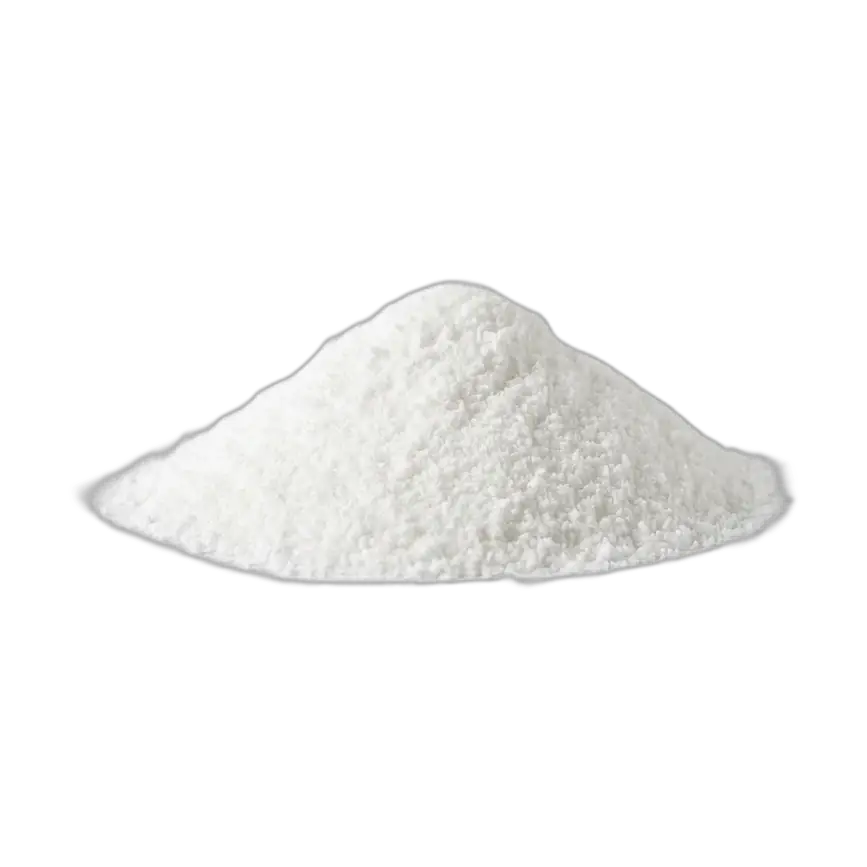
Calcium
Calcium is the body’s most abundant mineral and the one most people can name a role for. This page explains where calcium lives in the body, how much people commonly need, and how WellsparQ lists it in a product — without making any unauthorised benefit claims.
Caprylic Acid
A simple eight‑carbon fat that shows up in coconut oil and in one WellsparQ product. Caprylic acid has distinctive chemistry and a faster metabolic route than common long‑chain fats. It’s listed on our label and described here with clear limits on what we may claim.
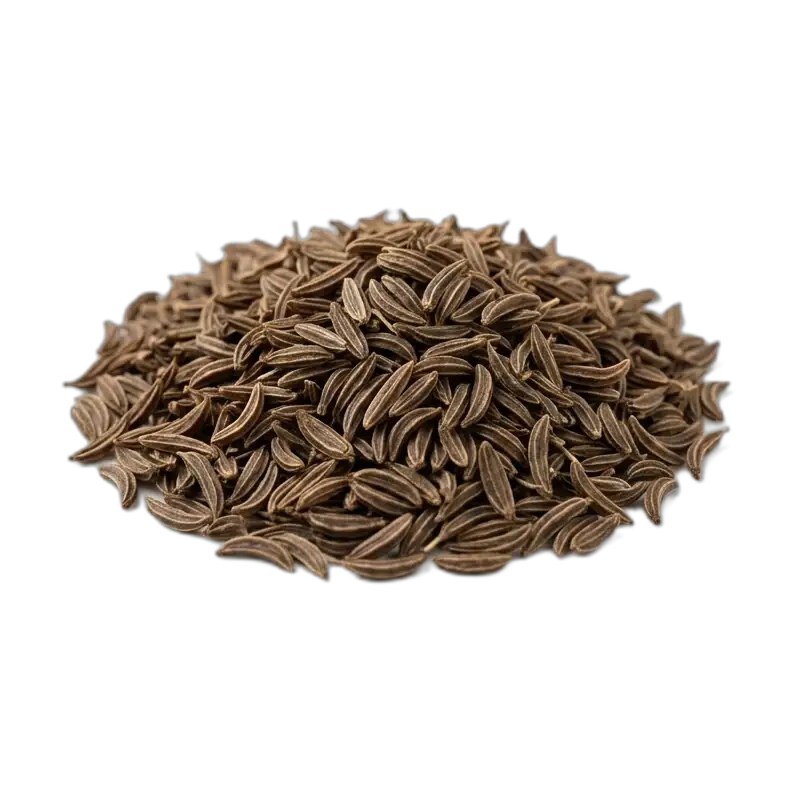
Caraway Seed
Caraway turns up in rye bread and old herb books, yet many people would not recognise its name. Its warm, anise-like aroma comes from an essential oil rich in carvone and limonene.
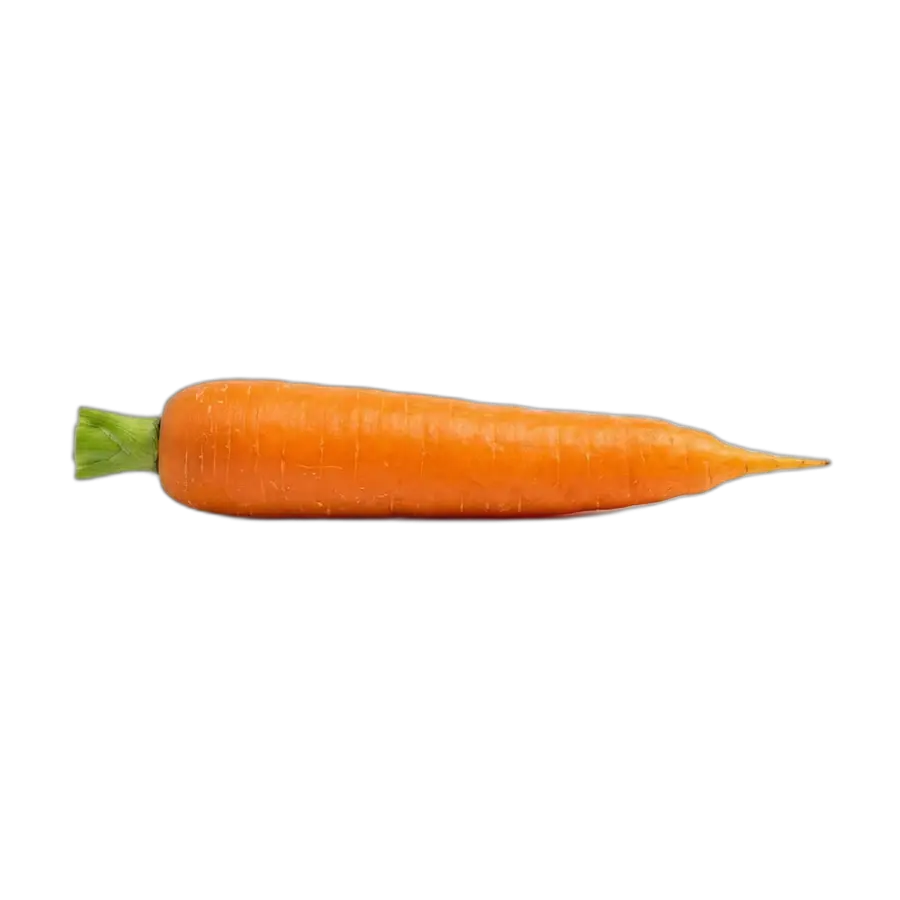
Carrot
A humble orange root turns up in our formula at just 5 mg. That amount is a trace — a botanical nod, not a source of nutrients in meaningful quantities.
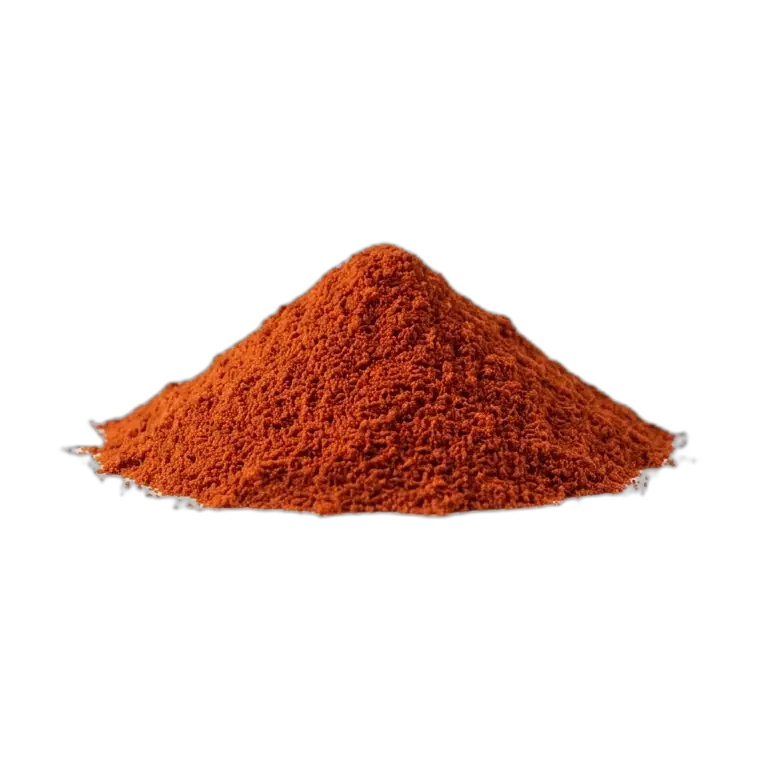
Cayenne Pepper
Cayenne pepper brings heat in tiny, measured doses. This article explains the plant, the chemistry of its pungency, why WellsparQ uses low amounts, and what the research actually shows.
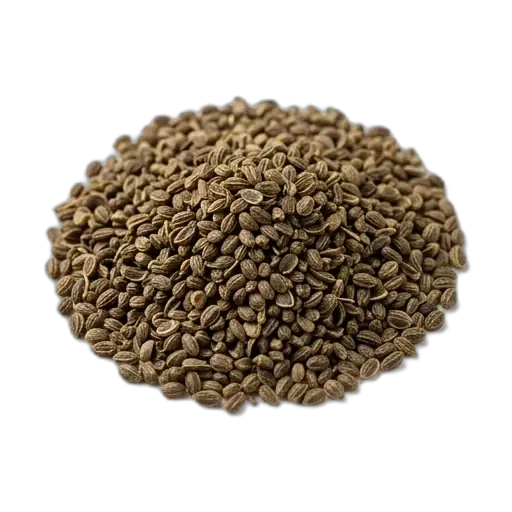
Celery Seed
Celery seed is a tiny, highly aromatic spice with a distinct chemistry — and an allergen every label must declare. This page explains what celery seed is, what’s in it, and how regulators view botanical claims.
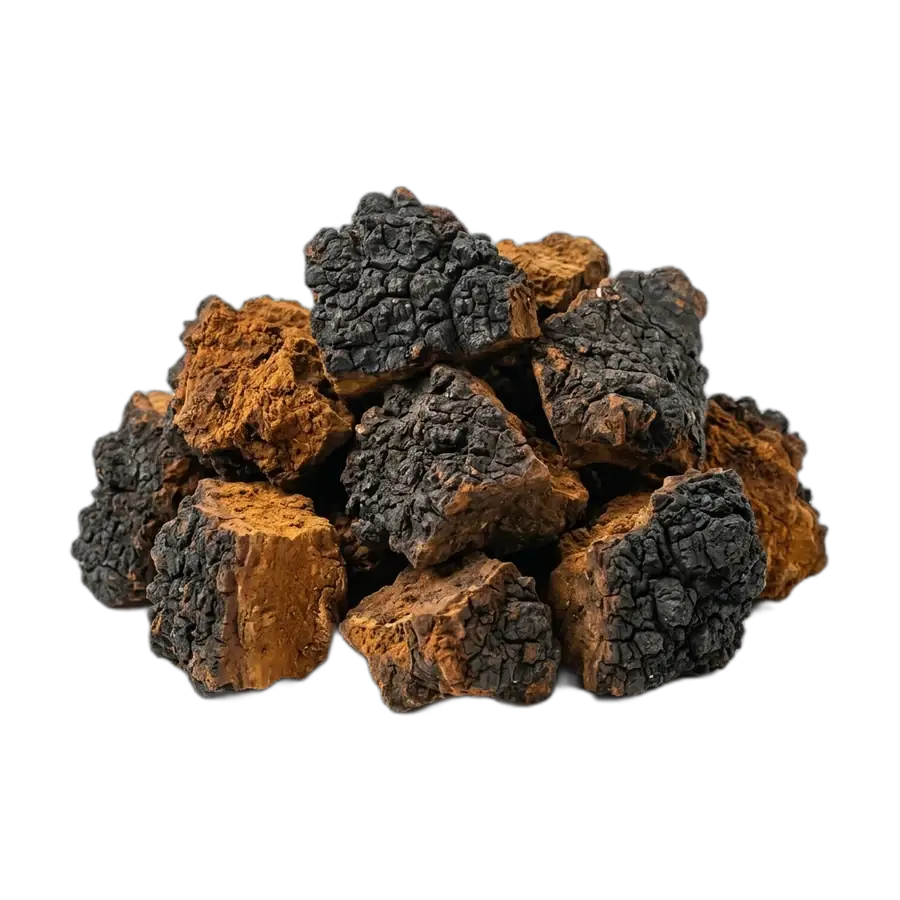
Chaga Mushroom
A charcoal‑black growth on birch trunks, chaga has been collected for centuries and is now studied for its chemistry rather than miracle effects. WellsparQ names the species, states what we measure, and flags what the evidence actually shows and does not show.
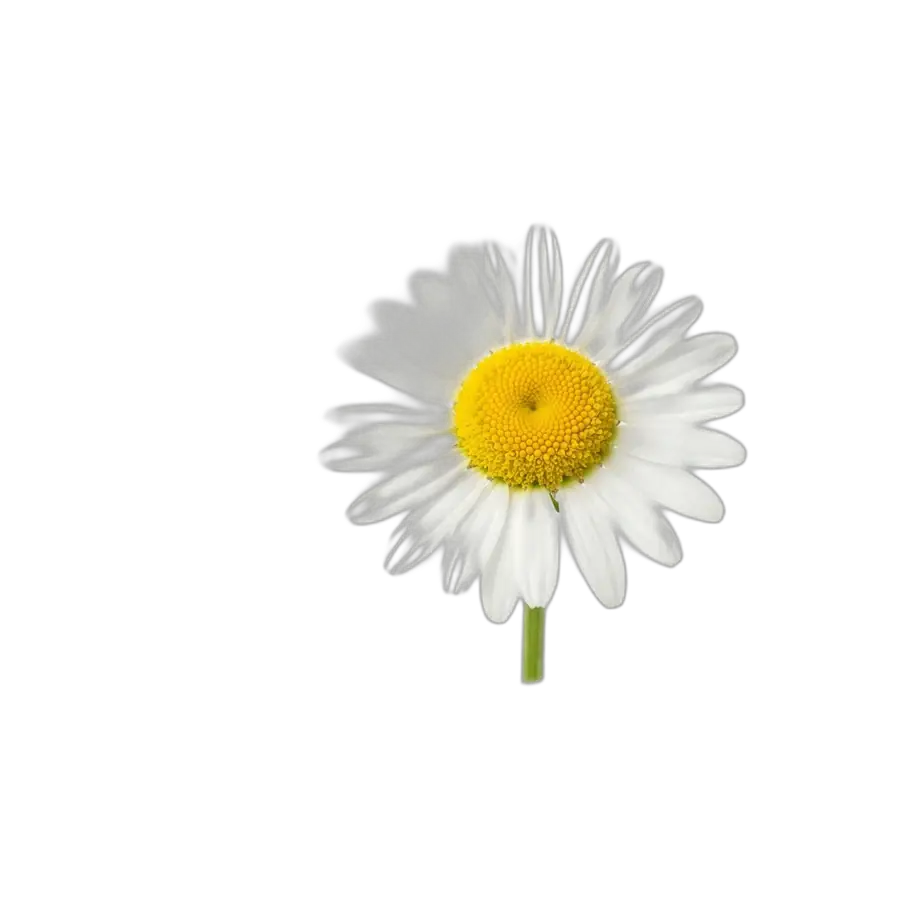
Chamomile
Chamomile is the small, apple-scented daisy often steeped as a simple cup. WellsparQ describes the species we use, what’s in the flower, and what regulators and research actually say.
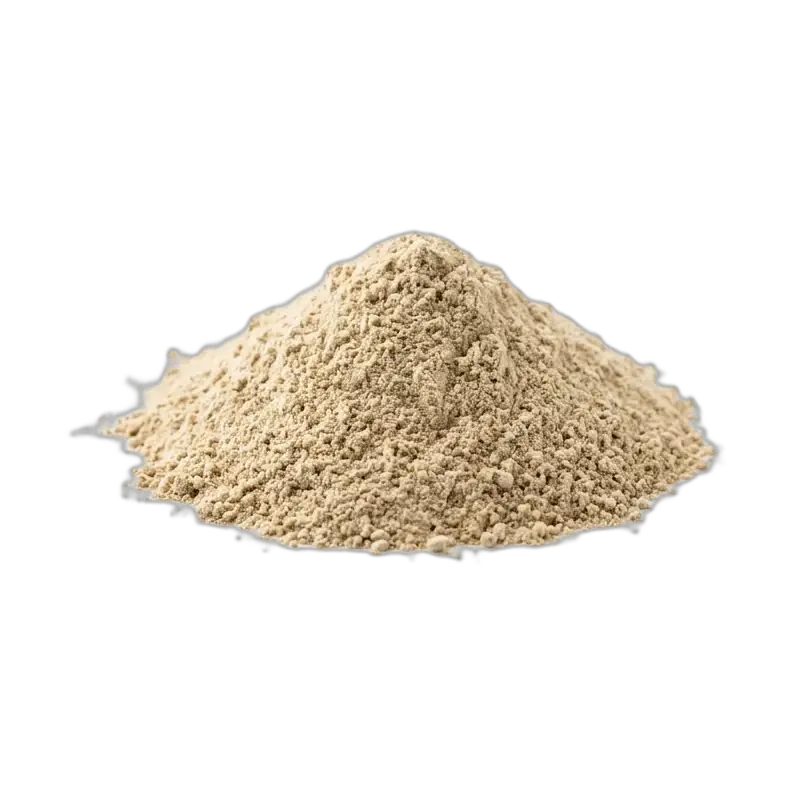
Chicory Root
Chicory root has been a European pantry staple for centuries. Today its extracted fibre — inulin — is a named ingredient in modern food and supplements, with a carefully defined regulatory status.
Chloride
Chloride is the anion half of table salt and a major extracellular electrolyte. It plays quiet but essential roles in normal body fluids and digestion, and it appears deliberately in WellsparQ electrolyte and meal-replacement products.
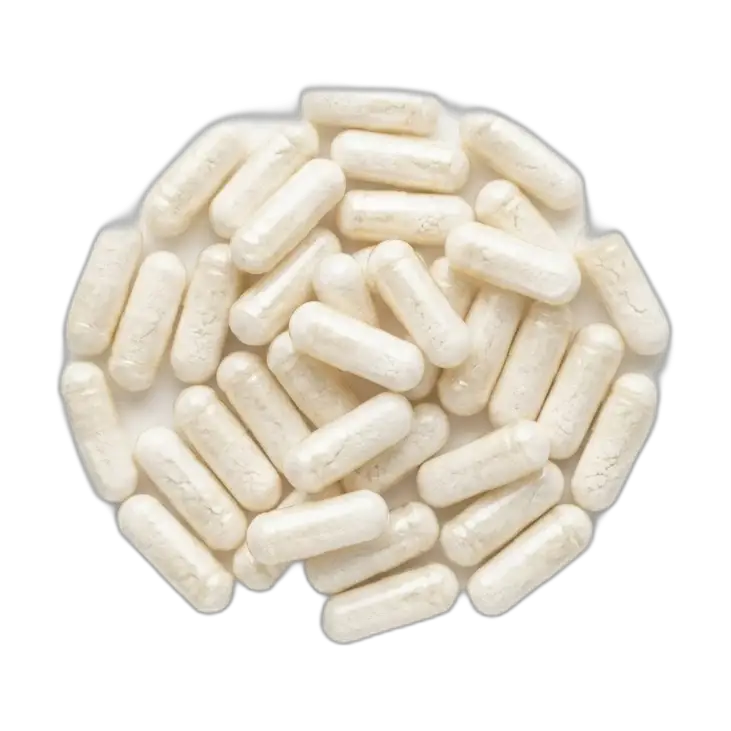
Choline
Choline is an essential nutrient the body needs but cannot make enough of on its own. It turns up in cell membranes, a key neurotransmitter and in one‑carbon chemistry alongside folate and B12.
Chromium
Chromium is a trace mineral that appears on many supplement labels because it carries one of the few authorised nutrient claims in the EU. It’s required in microgram amounts and often included in measured doses such as chromium picolinate.
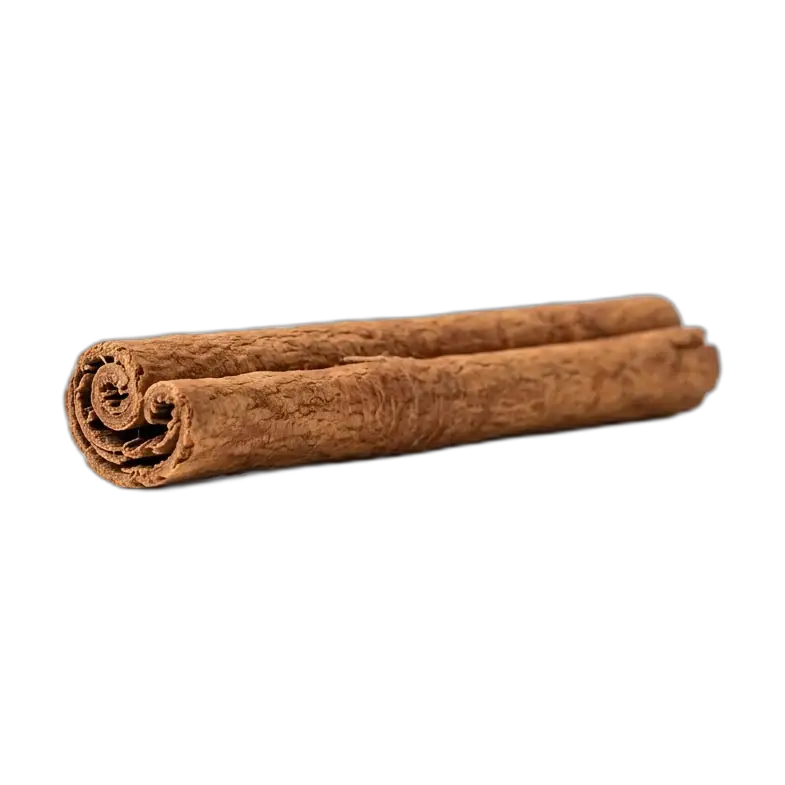
Cinnamon
Cinnamon on supermarket shelves is often two very different barks sold under one name. WellsparQ uses true Ceylon cinnamon and this article explains the botanical difference, the coumarin safety issue, and how the evidence stacks up.
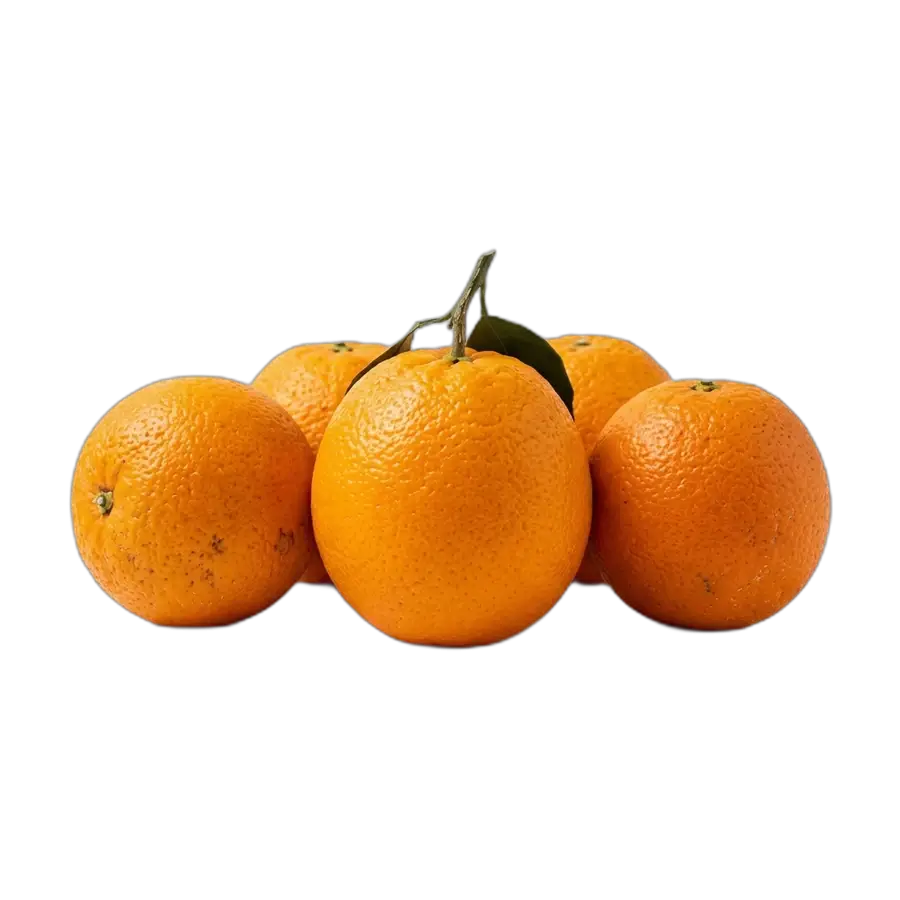
Citrus Aurantium
Bitter orange (Citrus aurantium) is a common citrus used for its peel, flowers and an alkaloid called p‑synephrine. This page explains what the plant is, which compounds it contains, how WellsparQ uses it, and what the scientific literature actually shows.
CLA
Conjugated linoleic acid (CLA) is a group of related fatty acids found mainly in ruminant dairy and meat. WellsparQ lists it transparently on one product, in a very small amount and with a milk allergen note.
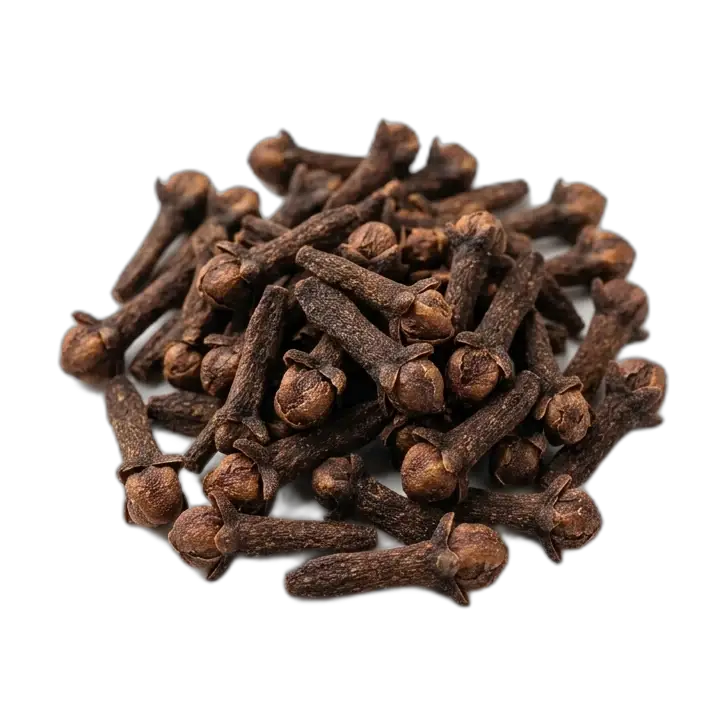
Clove
Clove is the dried, unopened flower bud of Syzygium aromaticum. Its warm, spicy aroma comes from an essential oil dominated by eugenol, the compound that gives clove its signature scent and mild numbing effect.
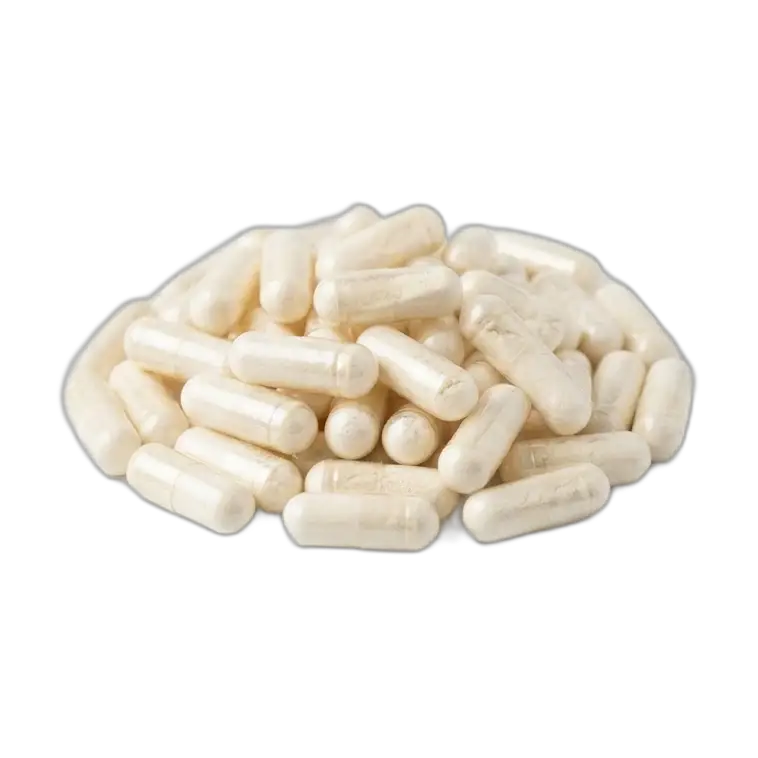
Collagen (Hydrolysed)
Collagen is the body’s most common structural protein, supplied in supplements as short peptides made from animal sources. This page explains what hydrolysed collagen is, how it’s produced, what the research and regulators say, and who should — or should not — use it.
Copper
Copper is an essential trace mineral the body needs in very small amounts. It works as a biochemical cofactor, present across many foods and included in WellsparQ formulas in modest, clearly stated doses.
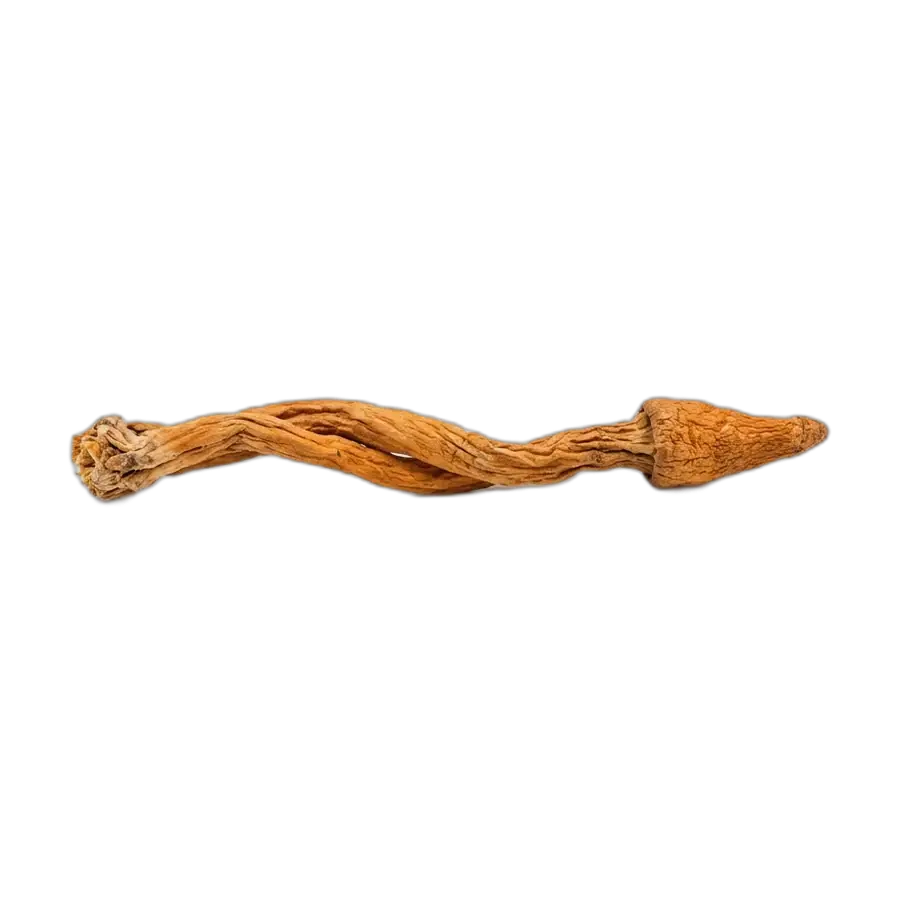
Cordyceps Mushroom
A fungus that grows from an insect larva sounds like folklore — and it is. Cordyceps appears in high‑altitude tradition but most supplements today use a farmed cousin that’s easier to trace and standardise.
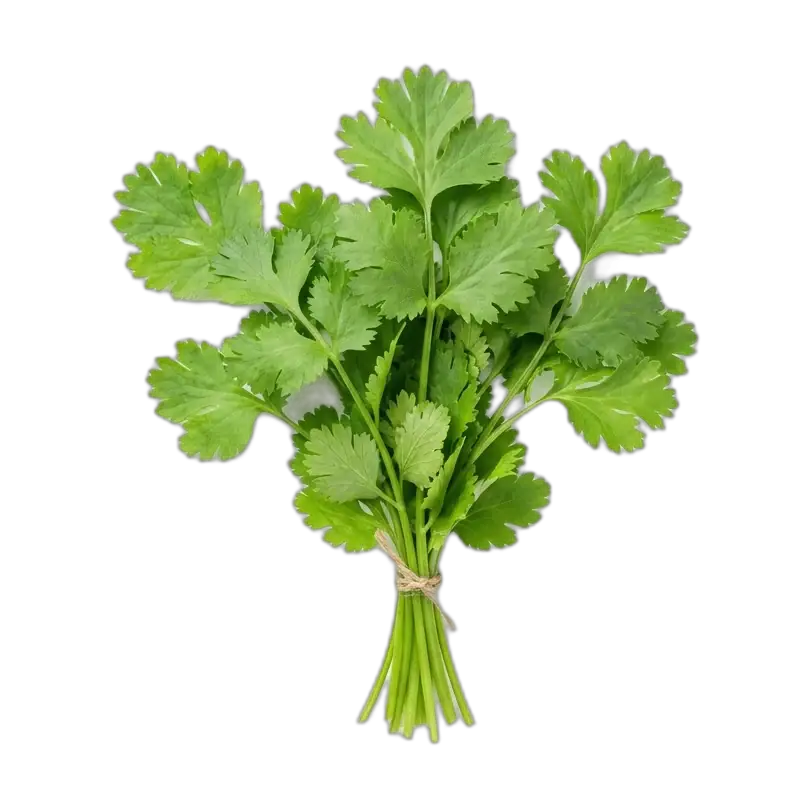
Coriander Leaf
Coriander leaf — the familiar green herb also called cilantro — is the leafy half of a single plant that yields a very different taste and chemistry from its seed. WellsparQ uses the leaf in a small, declared amount; this article explains what the leaf is, what’s in it, and how the research literature treats it, stated plainly with no health promises.
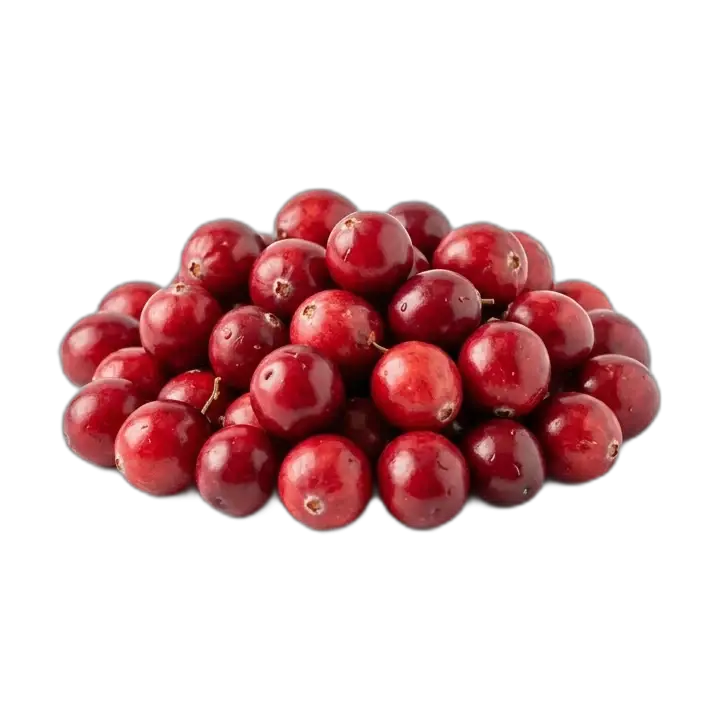
Cranberry
Cranberry (Vaccinium macrocarpon) is a much-studied berry whose distinctive A‑type proanthocyanidins (PACs) drive most research interest. The evidence is complex: laboratory studies, regulatory assessments and recent reviews do not all say the same thing.
Creatine
Creatine is a simple, naturally occurring compound and one of the most researched ingredients in sports nutrition. Unusually for a non-vitamin/mineral ingredient, specific EU/GB register wordings exist for what creatine can claim.
D-Mannose
D‑Mannose is a simple sugar with a clear chemistry and a mixed evidence story. It’s included by WellsparQ as a named ingredient with a stated dose, and this page explains what researchers propose and what the trials actually show.
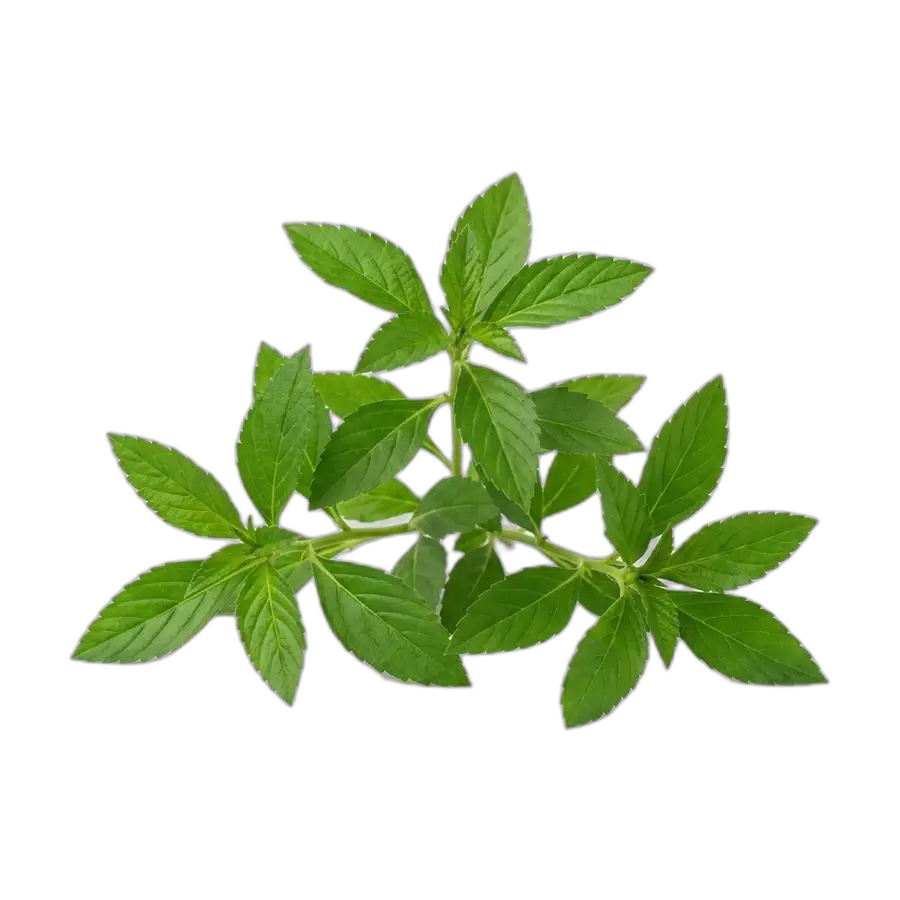
Damiana
Damiana (Turnera diffusa) is a small aromatic shrub from the Americas whose leaves have a long cultural history. WellsparQ lists it as a named botanical at 25 mg and we set out what is traditional, what chemistry is known, and what the research actually says.
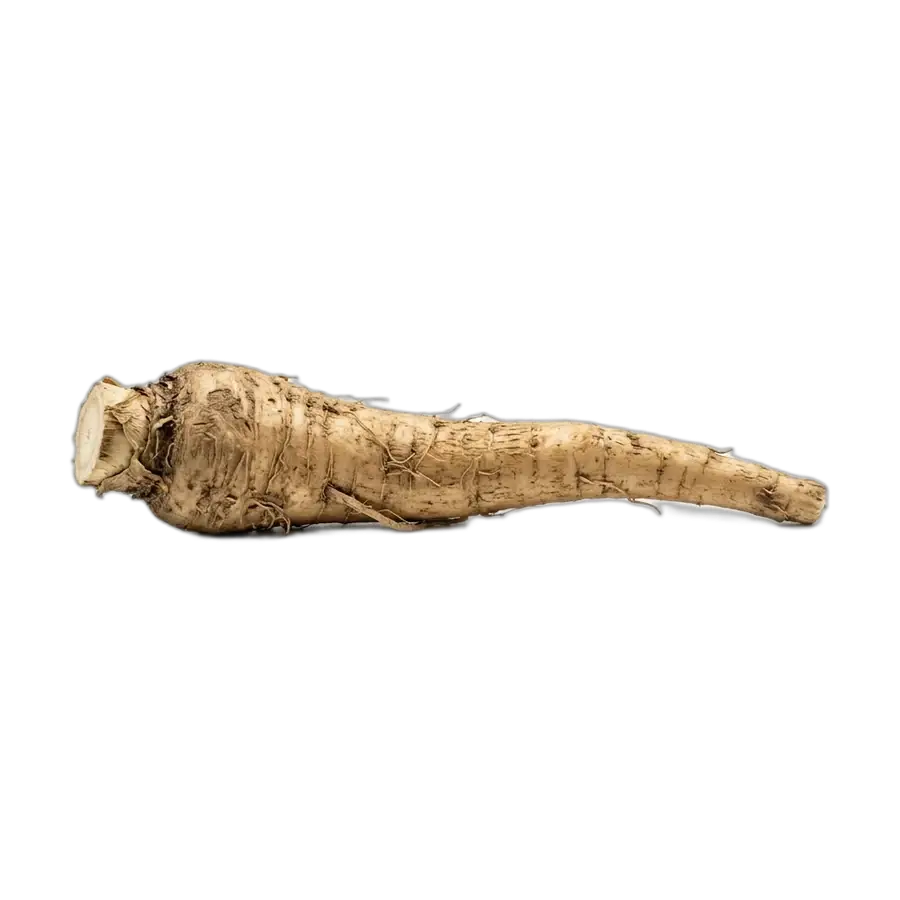
Dandelion Root
Dandelion root is a familiar garden plant with a long history of use. WellsparQ uses the root, not the leaf, and this page explains what is known — and what the rules allow us to say.
DHA (Omega-3)
DHA is the long-chain omega‑3 that often appears on supplement labels. Its regulatory story is simple: authorised health claims exist, but only at a specific daily dose.
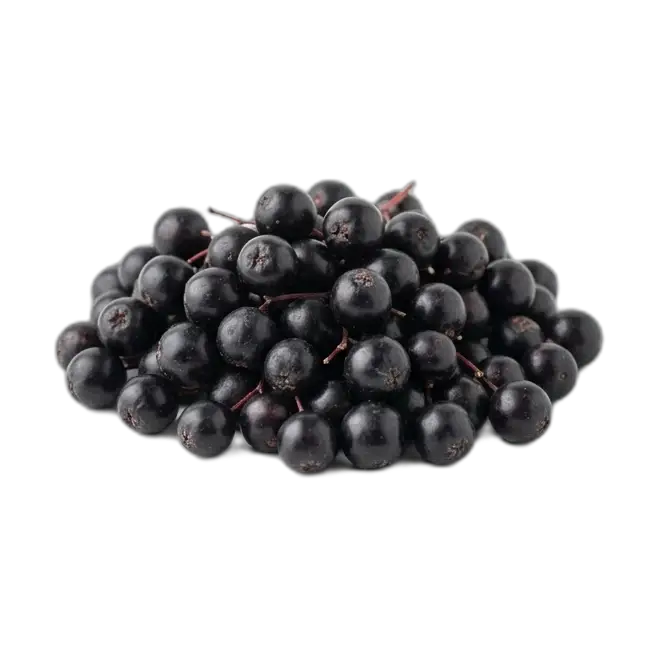
Elderberry
Elderberry is a familiar hedgerow fruit with a deep purple colour and a surprisingly detailed research record. The key question for supplements is dose: what’s in a capsule versus what studies actually used.
EPA (Omega-3)
EPA is the other marine omega‑3 most supplements mention, but it rarely travels alone. It’s usually paired with DHA in fish and krill oils, and the law treats the pair — not EPA by itself — when it comes to authorised claims.
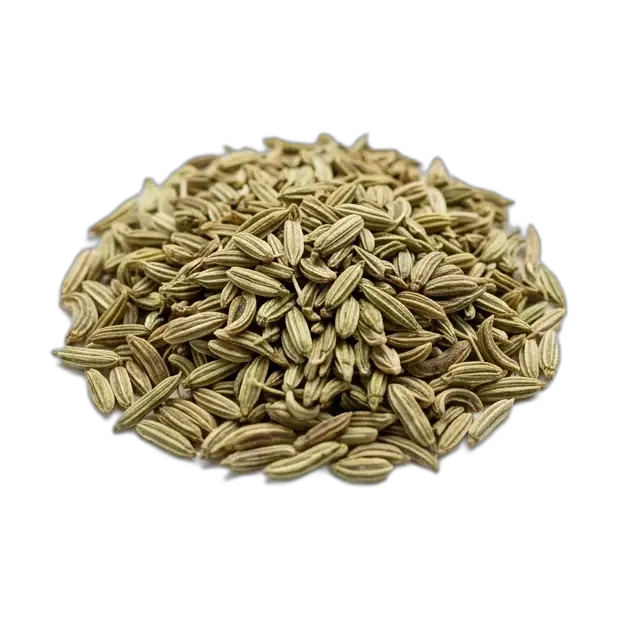
Fennel Seed
Fennel seed is both a kitchen staple and a named botanical in some WellsparQ blends. Its warm aniseed aroma comes from a handful of essential-oil compounds — and one of those, estragole, explains a key safety note.
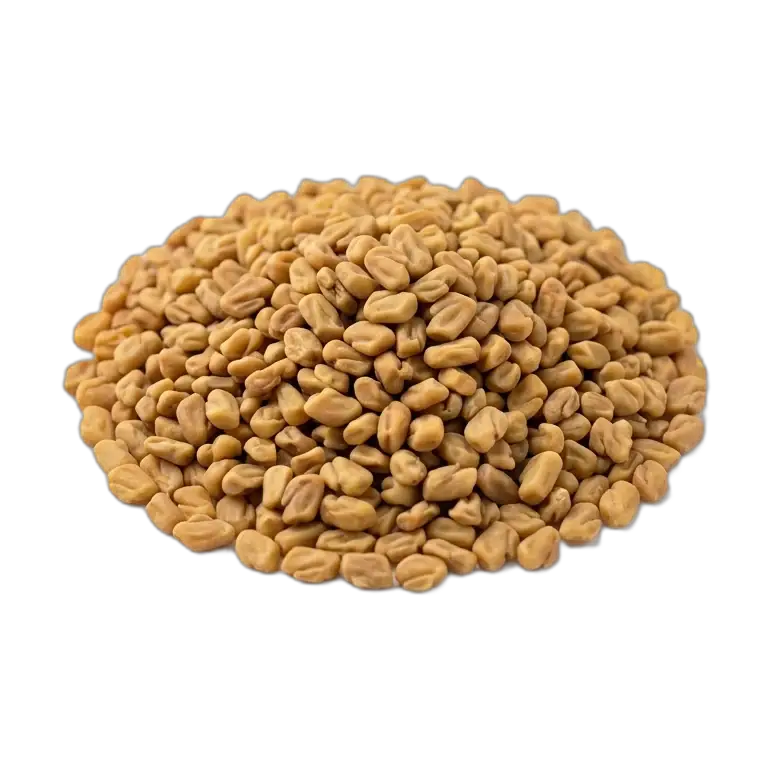
Fenugreek
Fenugreek is a small golden seed with a strong maple-syrup aroma and a long history in cooking and herbal tradition. WellsparQ uses it as a named botanical in a couple of fibre-and-gut supplements and aims to be clear about what regulators allow us to say.
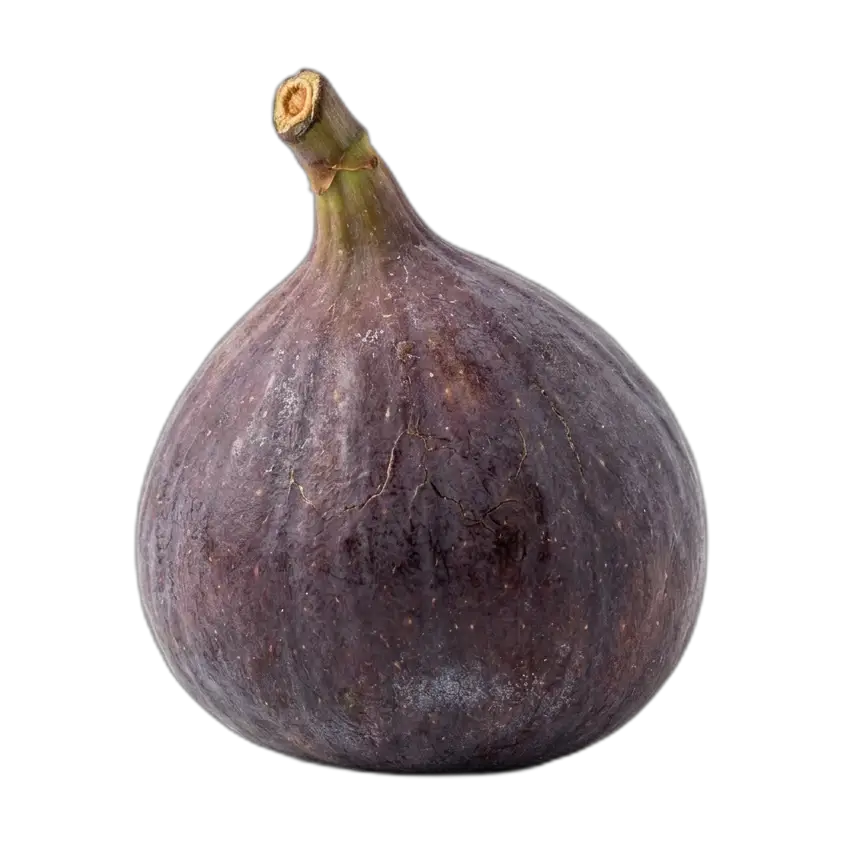
Fig
The fig is one of the world’s oldest cultivated fruits and it shows up in our Fibrantex formula only as a tiny, honest nod to tradition. Beyond flavour and history, the fig has a distinctive enzyme in its latex that explains some traditional uses in food processing.
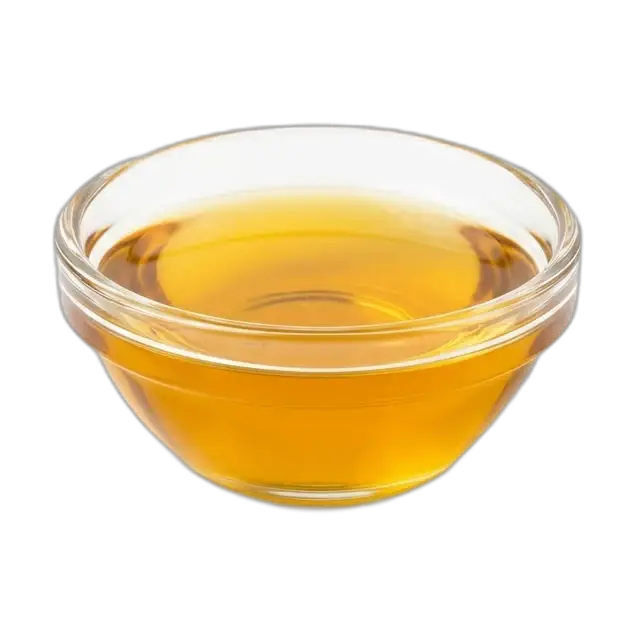
Fish Oil
Fish oil delivers the marine omega-3s EPA and DHA — the one non-plant ingredient in the WellsparQ range. This page explains what fish oil is, how WellsparQ uses it, and why the product does not carry the authorised omega-3 claims.
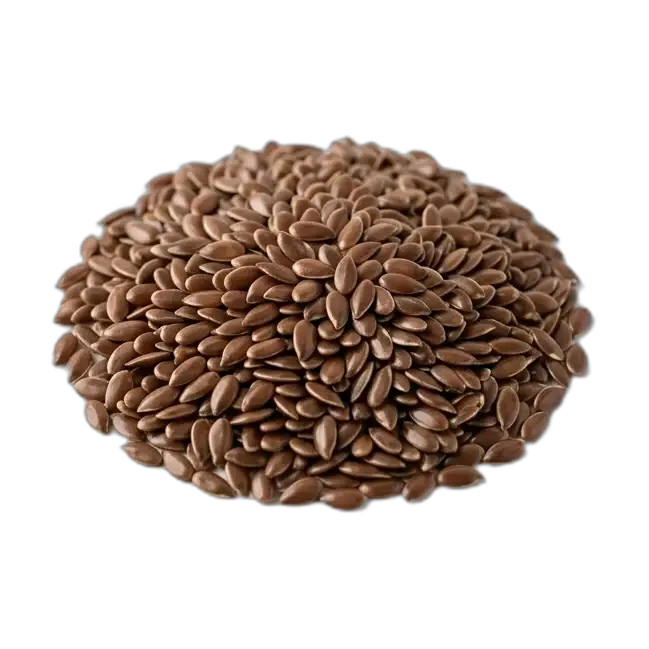
Flaxseed
Tiny flax seeds pull three different nutritional levers: oil, fibre and lignans. WellsparQ uses different forms depending on which component a formula needs.
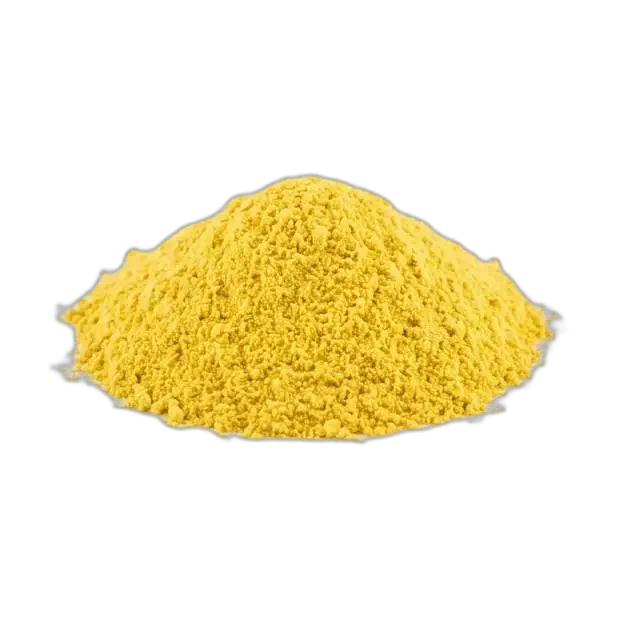
Folic Acid
Folic acid is a familiar recommendation for people planning pregnancy — but it is also one of the B vitamins with precise biochemical jobs and tightly regulated label claims. This article explains the forms, sources, authorised claims and how folic acid appears in the WellsparQ range.
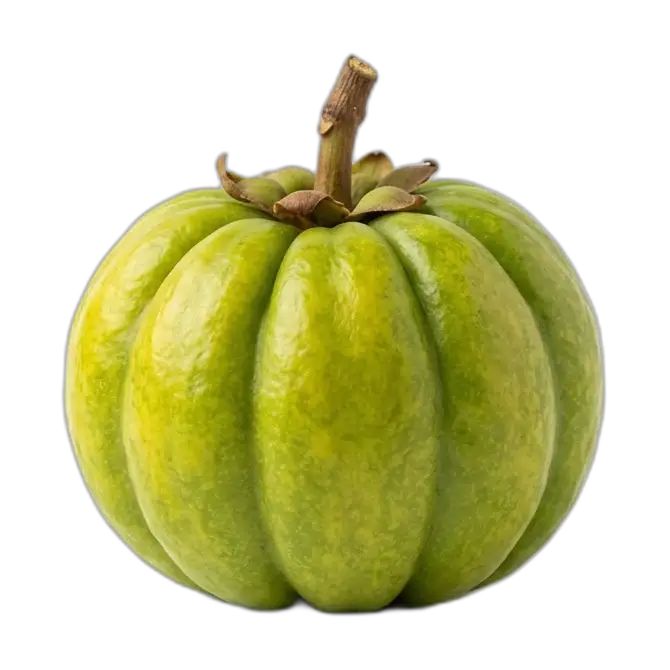
Garcinia Cambogia
Garcinia cambogia is a tropical fruit rind that became a popular supplement ingredient. Its active acid has a clear laboratory action, but human research and safety reports demand a careful, plain account.
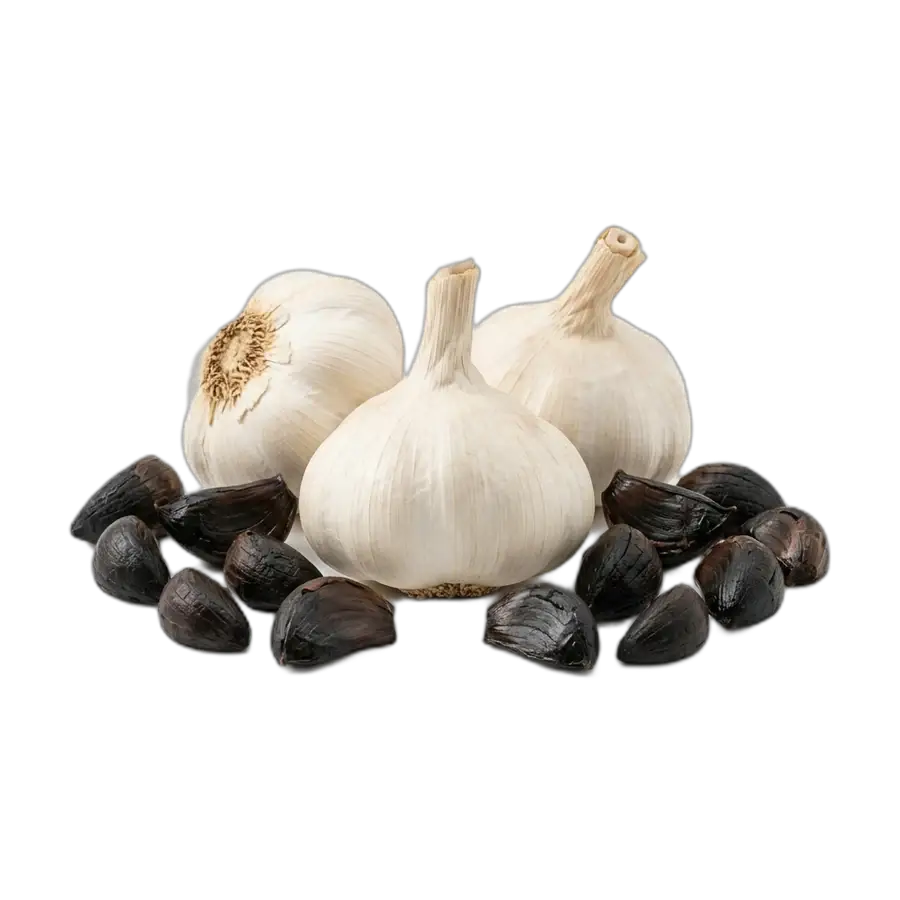
Garlic (incl. Aged Black Garlic)
Garlic is centuries old in kitchens and research papers, yet under EU/GB rules it carries no authorised health claims. WellsparQ chooses aged black garlic for its distinct chemistry and milder taste.
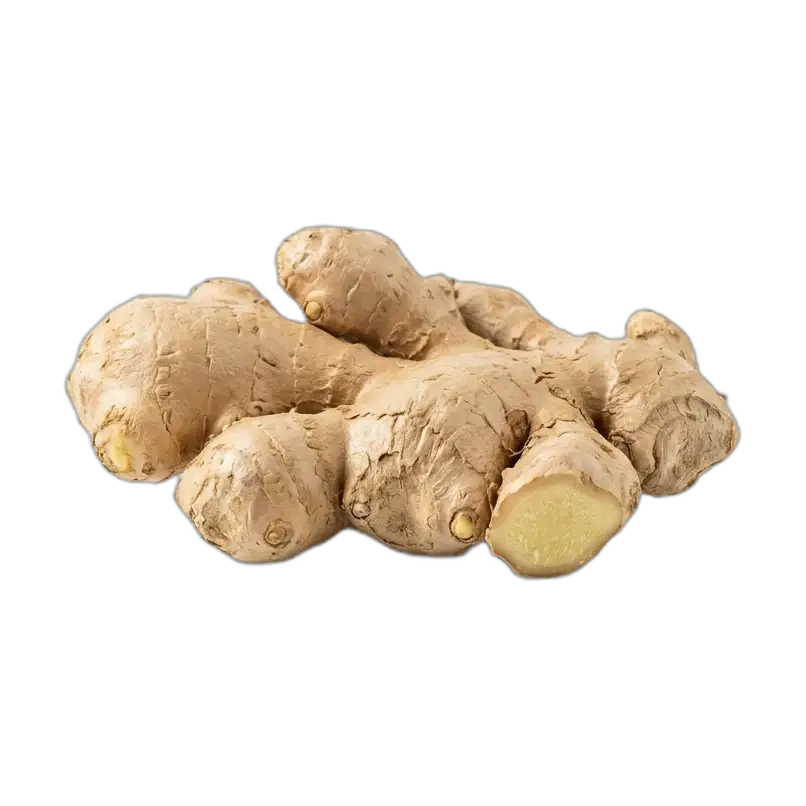
Ginger
Ginger began life as a kitchen rhizome and now appears as a supporting botanical on supplement labels. Its familiar warmth comes from gingerols and shogaols, but regulatory rules limit what can be said about its benefits.
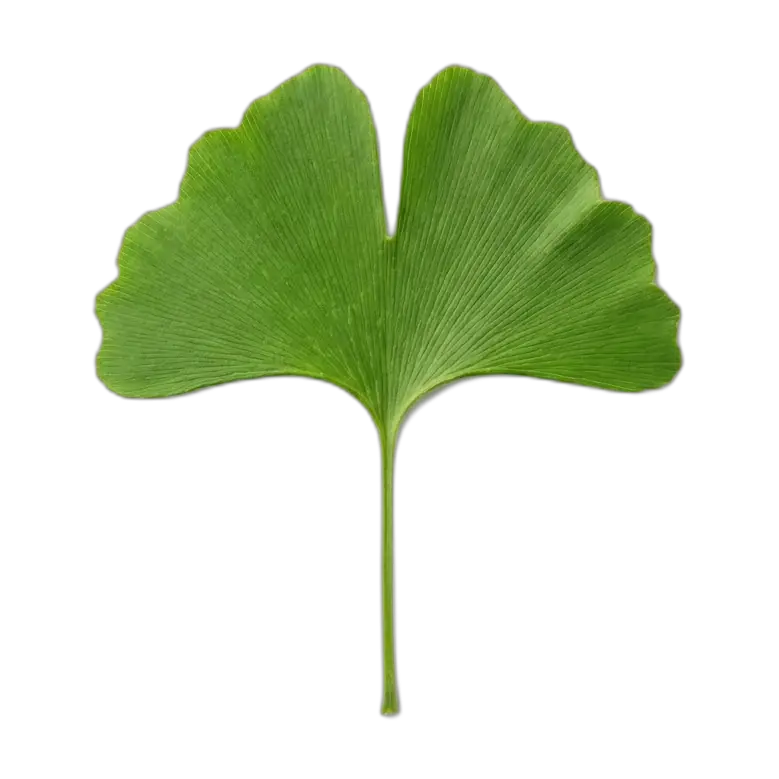
Ginkgo Biloba
Ginkgo biloba is a living fossil: a tree species that has survived for millions of years and whose leaf extract is one of the most studied botanicals. This article explains what ginkgo leaf is, how it’s used in WellsparQ formulas, what the research actually shows, and the safety points worth noting.
Glucomannan
Glucomannan is a soluble fibre from the konjac plant — one of the few non-vitamin substances that carries a single authorised claim under retained EU law. That permission comes with strict, mandatory conditions and a safety warning.
Glucosamine
Glucosamine is a familiar name on supplement labels — but the same molecule can come from shellfish or from a vegan fermentation process. Knowing the source matters for allergen labelling and dietary choice.
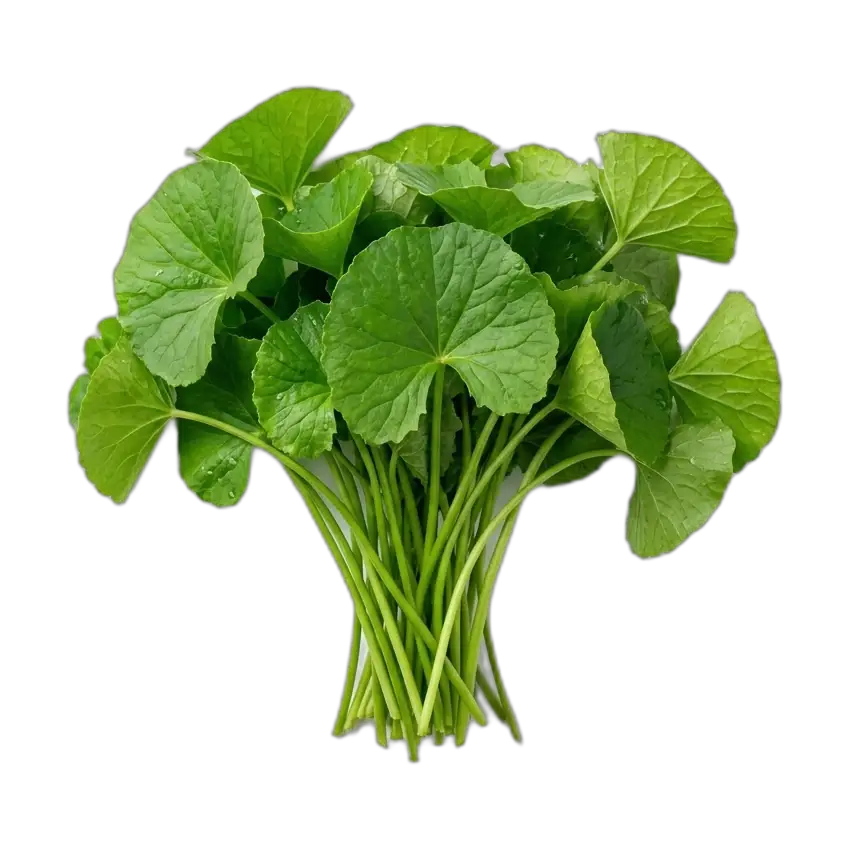
Gotu Kola
Gotu kola (Centella asiatica) is a low-growing marsh herb with a long recorded traditional use across Asia. WellsparQ includes a modest 5 mg of the dried aerial parts in its CalmaRoot Blend — a heritage note rather than a research-dose ingredient.
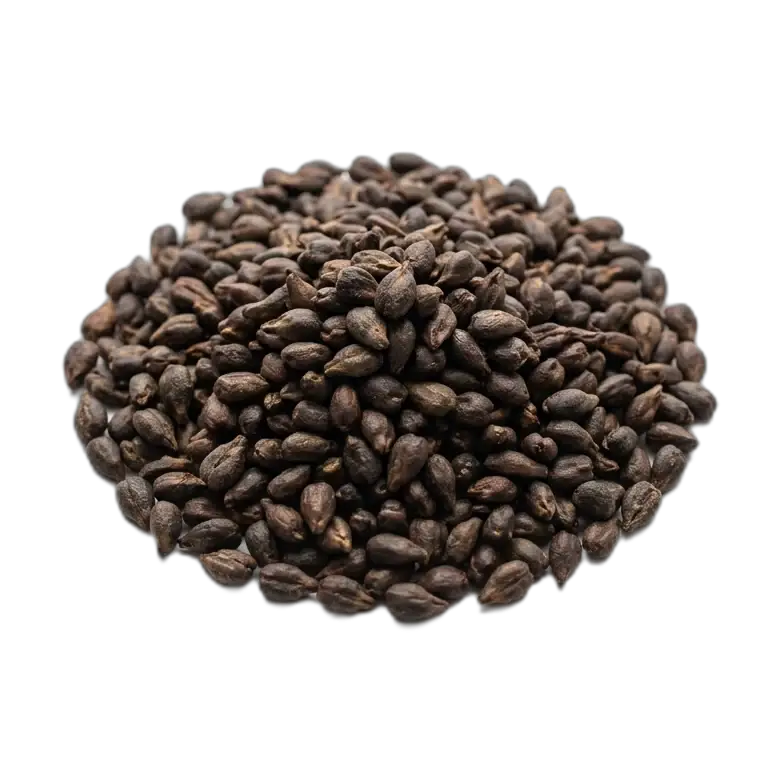
Grape Seed
A familiar fruit hides an often-overlooked ingredient: the grape seed. It’s the seed’s proanthocyanidins that attract scientific interest, but the way they are used in supplements matters a lot.
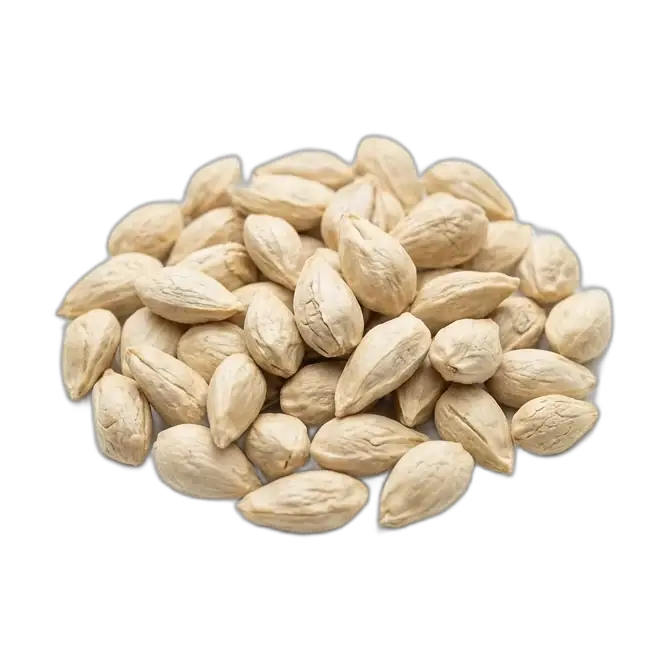
Grapefruit Seed
Grapefruit seed extract has two safety stories worth knowing: a real grapefruit–medicine interaction, and a long history of some commercial extracts being adulterated with synthetic preservatives. WellsparQ states both points clearly and makes no benefit claims.
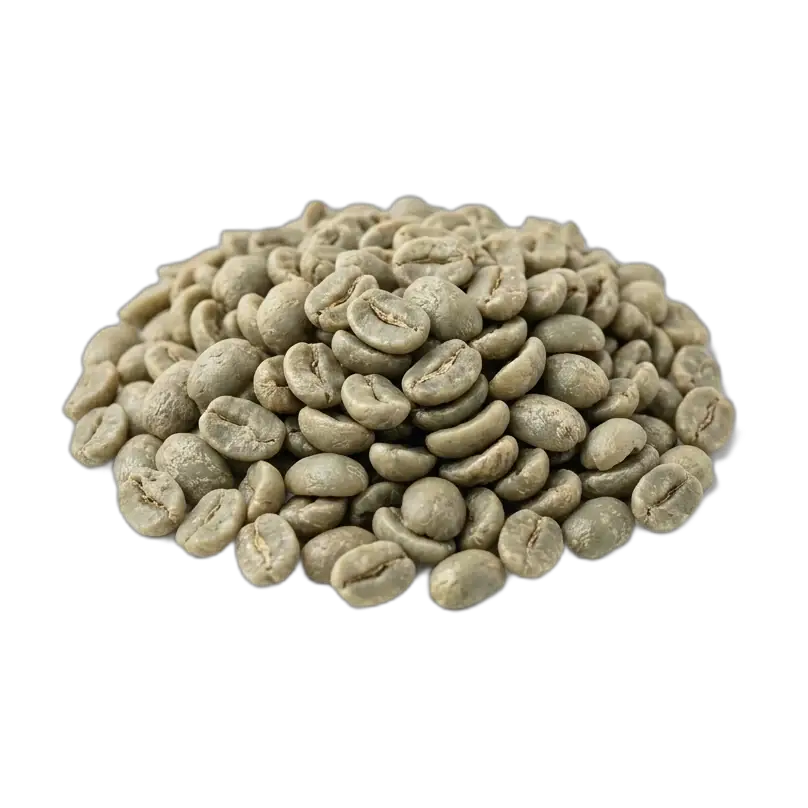
Green Coffee
Green coffee is the unroasted coffee bean. It keeps chlorogenic acids that roasting largely destroys, and those acids are the reason the raw bean is used in supplements.
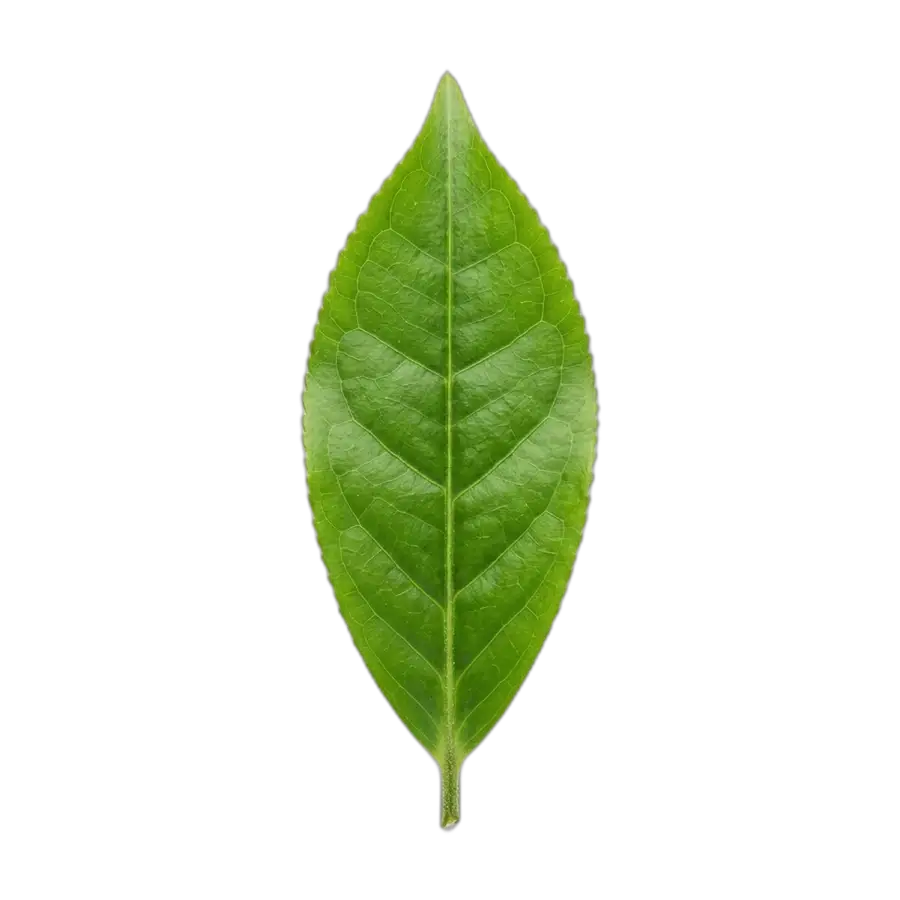
Green Tea
Green tea is the unoxidised leaf of Camellia sinensis and a rich source of catechin compounds such as EGCG. This page explains what green tea contains, how WellsparQ measures it in products, and the regulator-led safety view.
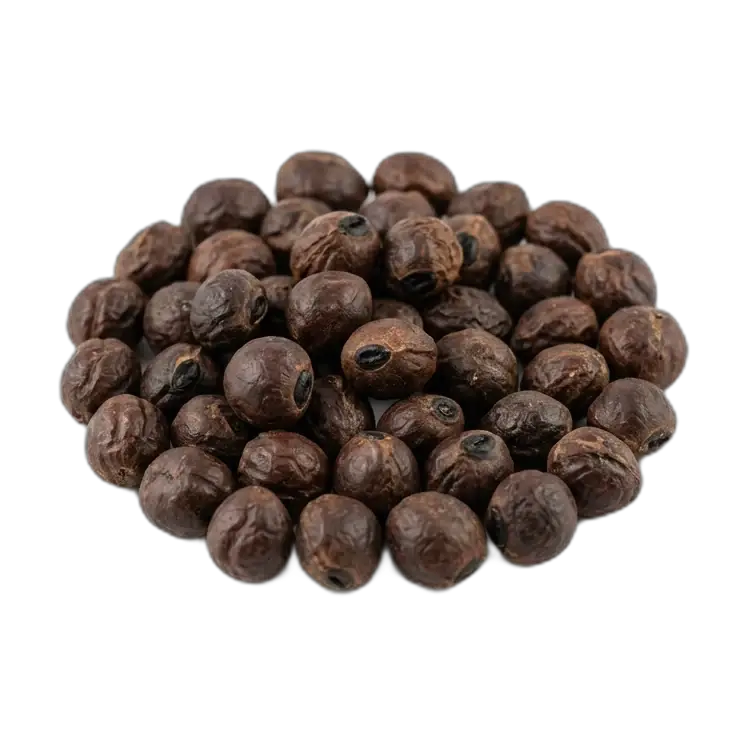
Guarana
Guarana is an Amazonian seed best known for its high caffeine content and distinctive appearance. This page explains what guarana actually is, what’s in it, and how WellsparQ labels it — without making health promises.
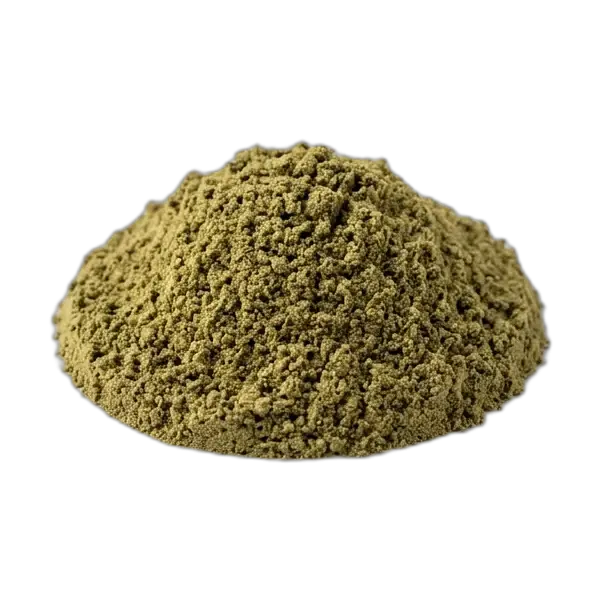
Hemp Protein
Hemp protein comes from the seed of Cannabis sativa L., the same species as industrial hemp varieties used for food. This article explains what hemp protein is, how WellsparQ makes and labels it, and the regulatory position on claims.
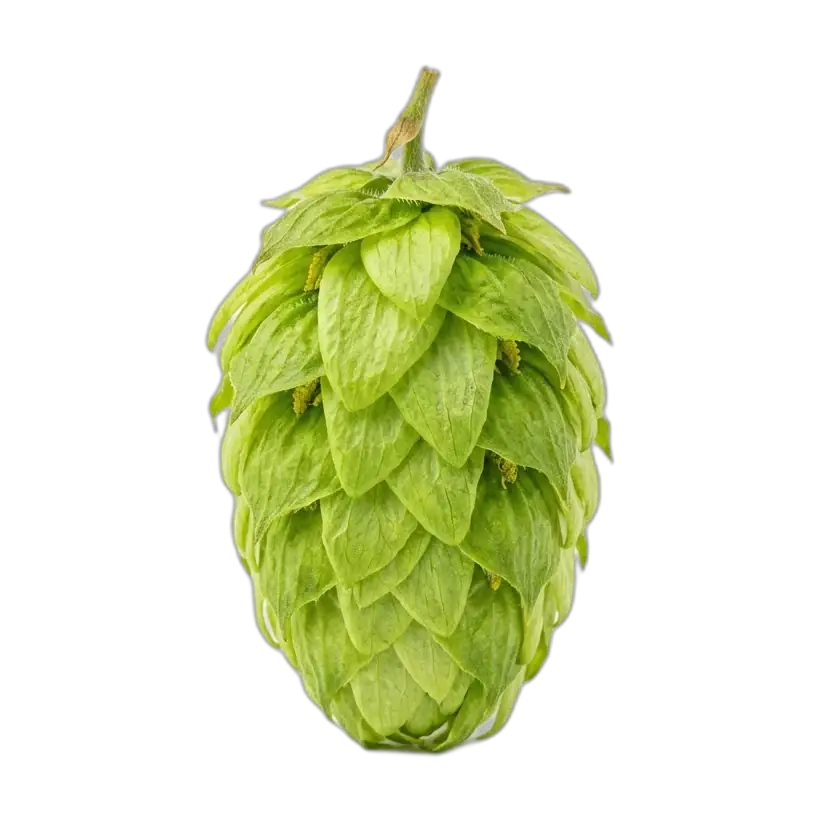
Hops
Hops are the papery female cones of Humulus lupulus, known to brewers and herbalists alike. This page explains what hops are, what’s in them, and how regulators and researchers view them — without making health promises.
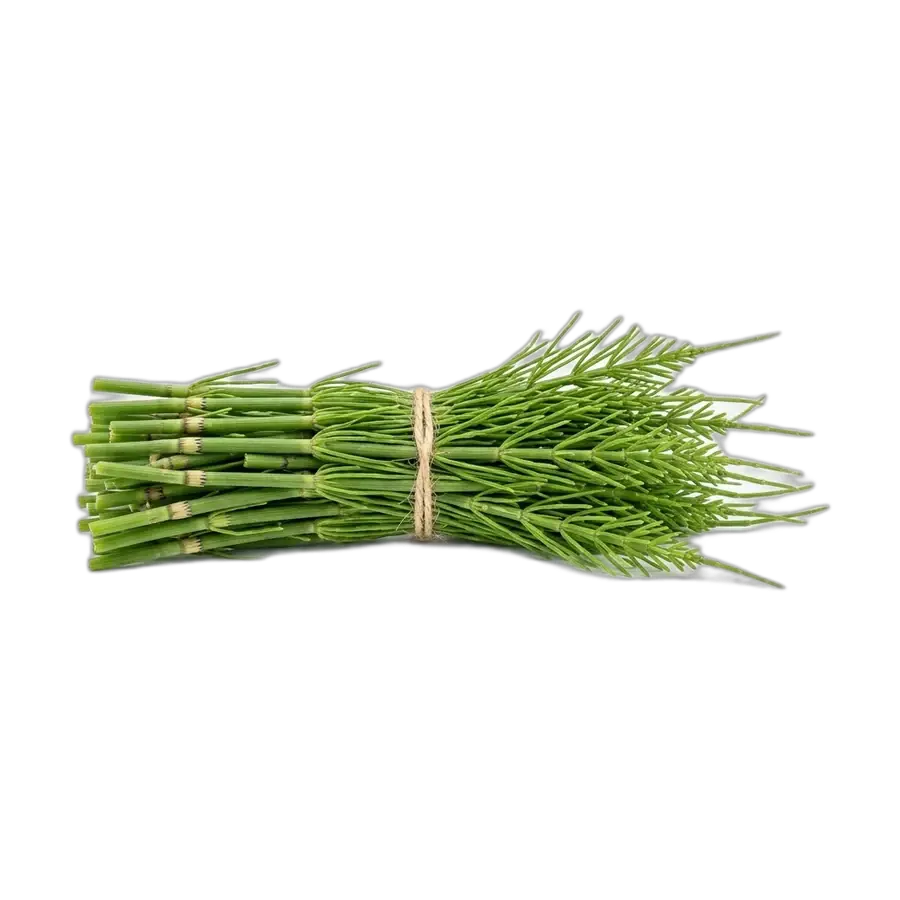
Horsetail
Horsetail is a living fossil with a gritty feel — that grit comes from unusually high silica levels in the plant. This page explains what horsetail contains, how regulators view it, and the safety points that matter for supplements.
Hyaluronic Acid
Hyaluronic acid is a large sugar molecule the body already makes and a common ingredient in both skincare and some supplements. This page explains what HA is, how WellsparQ lists it, and what the research and regulation actually say.
Inositol
Inositol is a sugar-like molecule the body makes for itself and was once called “vitamin B8.” It appears in research mostly at gram doses, yet in WellsparQ’s range it is declared at a tiny amount in one gummy.
Iodine
Iodine is a tiny trace mineral measured in micrograms, yet it appears widely on ingredient lists. This article explains what iodine is, typical intakes and dietary sources, and how WellsparQ declares it on labels.
Iron
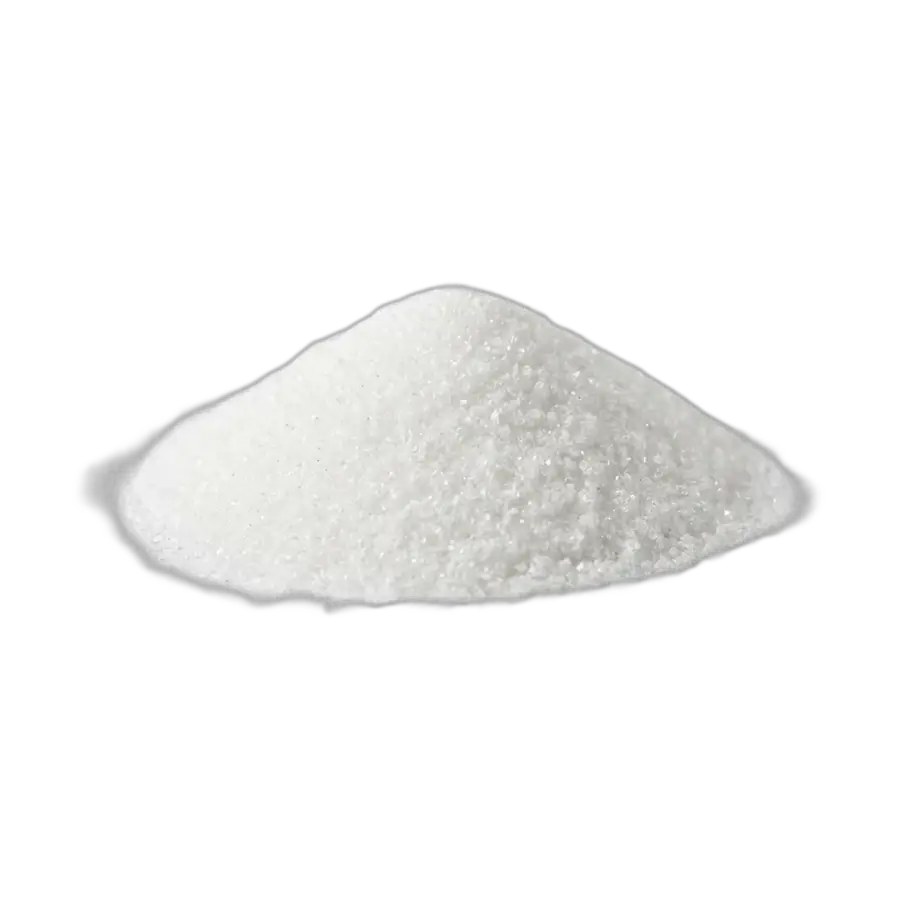
Iron is the mineral most people recognise for carrying oxygen in the blood. It is essential, and both deficiency and excess matter for safety and labelling.
Juniper Berry
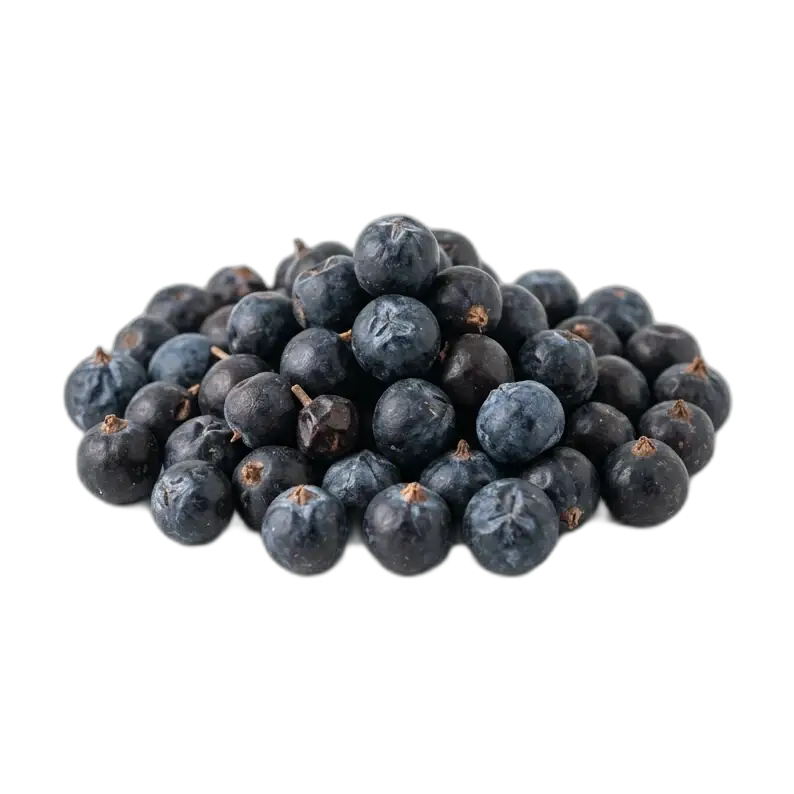
Juniper “berries” are actually small, fleshy cones from Juniperus communis. They give gin its signature note and have a long culinary and herbal history across northern Europe.
Kelp
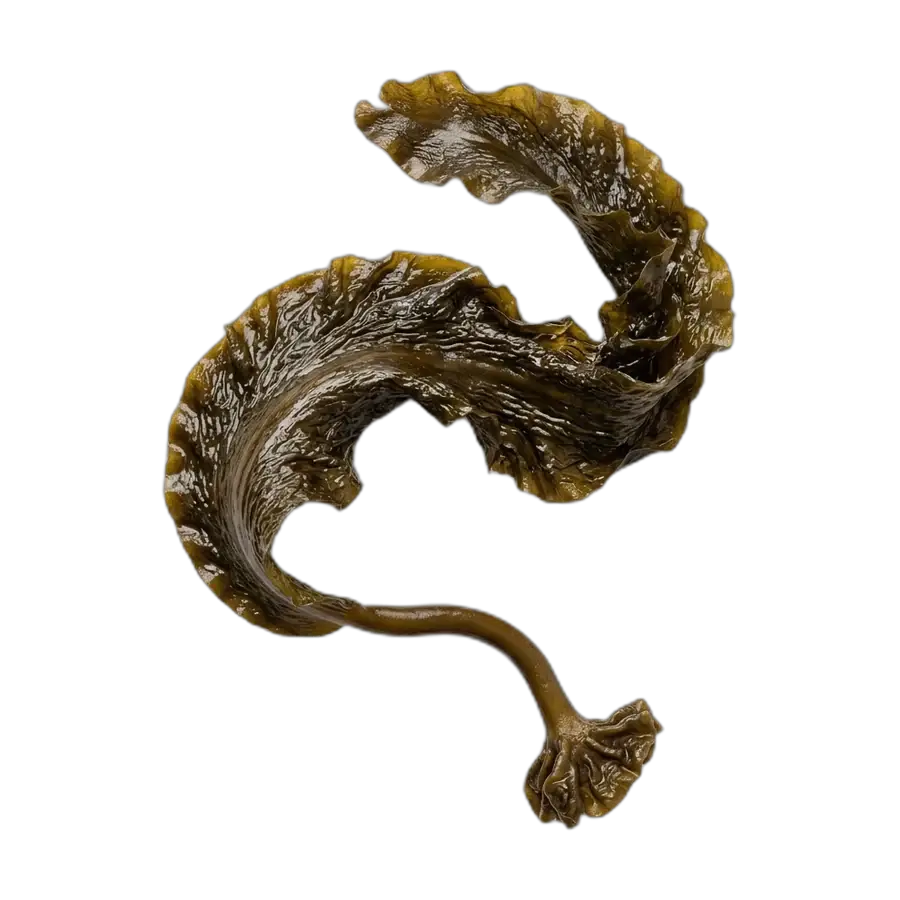
Kelp is a group of cold-water brown seaweeds that naturally concentrates iodine. Its value in supplements comes from that iodine — and from a need to measure it carefully because levels vary widely.
Krill Oil
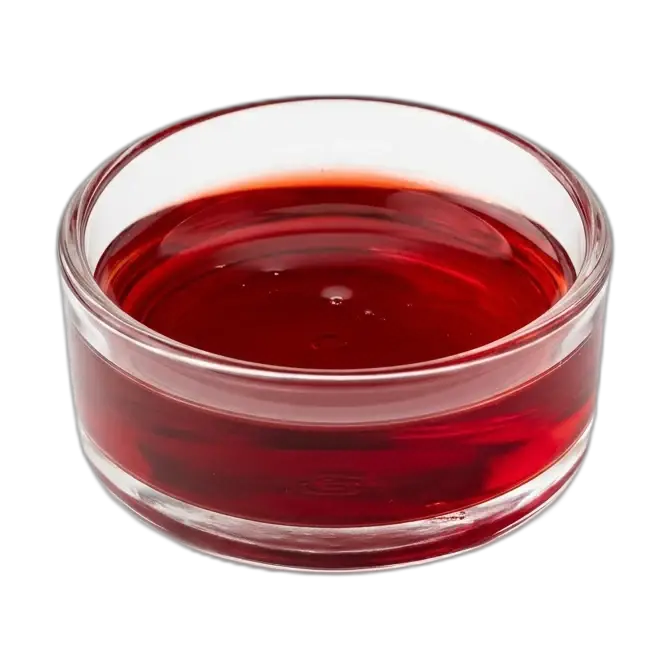
Krill oil comes from Antarctic krill, a shrimp‑like crustacean, and it’s an animal‑derived ingredient with a shellfish allergen risk. This page summarises what krill oil contains, how WellsparQ labels it, and the regulatory position on claims.
L-Arginine
L-arginine is an amino acid most people make themselves — yet it also feeds the body’s nitric oxide pathway, a short‑lived signalling system linked to blood‑vessel tone. WellsparQ uses modest, declared amounts rather than headline doses.
L-Citrulline Malate
A common sports supplement, citrulline malate pairs an amino acid with malic acid. Researchers have tested it a lot, but the evidence is mixed and product quality varies.
L-Glutamine
Glutamine is the most abundant free amino acid in the body and a major player in metabolism. It’s routinely made by muscle but sometimes described as “conditionally essential” when demand rises.
L-Isoleucine
Isoleucine is one of three branched-chain amino acids and a routine part of dietary protein. WellsparQ uses it in precise ratios alongside leucine and valine in our amino blends.
L-Leucine
Leucine is the branched-chain amino acid that typically gets the largest share in BCAA blends. It plays a distinct signalling role in cells, which explains why formulators often weight products towards it.
L-Theanine
L-Theanine is the amino acid that gives tea some of its savoury, rounded character and is often linked in research to a calm-but-alert feeling. Though studied in humans, it is not an authorised ingredient for health claims in the UK when presented as a botanical or non-nutrient.
L-Tyrosine
L‑Tyrosine is a common amino acid and a biochemical stepping stone for several important messengers in the body. It appears in small, disclosed amounts across WellsparQ products as a labelled ingredient.
L-Valine
Valine is one of three branched-chain amino acids and the quiet partner that completes the set found in many sports and amino blends. It’s an essential amino acid, so the body must obtain it from food or supplements.
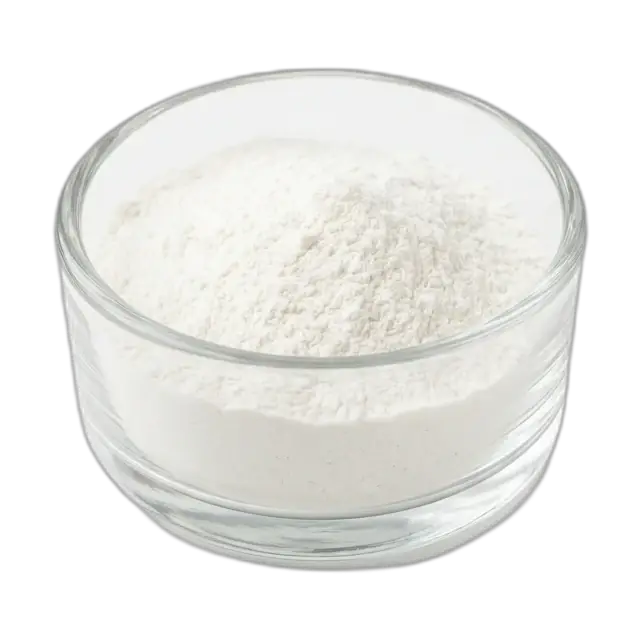
Lactobacillus acidophilus
Lactobacillus acidophilus is a common live bacterial culture seen on yoghurt labels and in some supplements. WellsparQ declares both the weight and the live-cell count so customers know what they are getting.
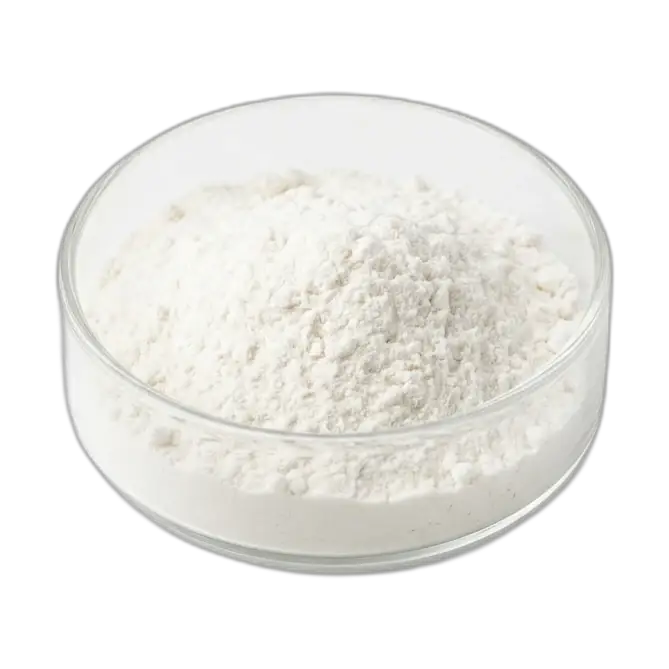
Lactobacillus bulgaricus
Lactobacillus bulgaricus is one half of the classic yoghurt starter duo. It’s a named live bacterial culture with a long history in fermented dairy and appears in WellsparQ formulations as a disclosed strain within multi‑culture blends.
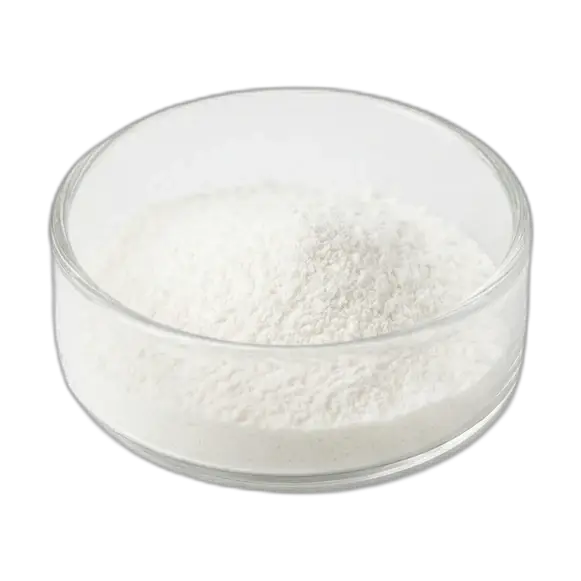
Lactobacillus rhamnosus
Lactobacillus rhamnosus is one of the most studied live bacterial cultures, largely because of a single well-researched strain. The evidence shows how important strain details and labelling are for interpreting research.
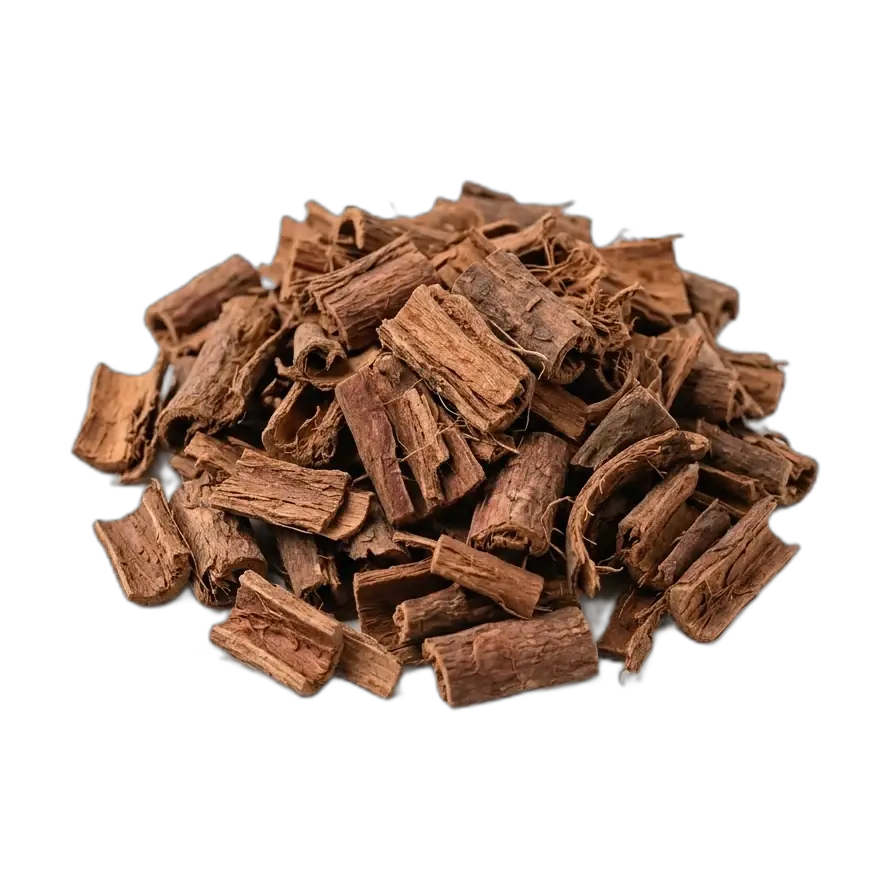
Lapacho Bark (Pau d'Arco)
Lapacho, or Pau d'Arco, is the inner bark of a South and Central American trumpet tree. It’s chemically interesting and culturally significant, but its laboratory potency does not equate to proven benefits in people.
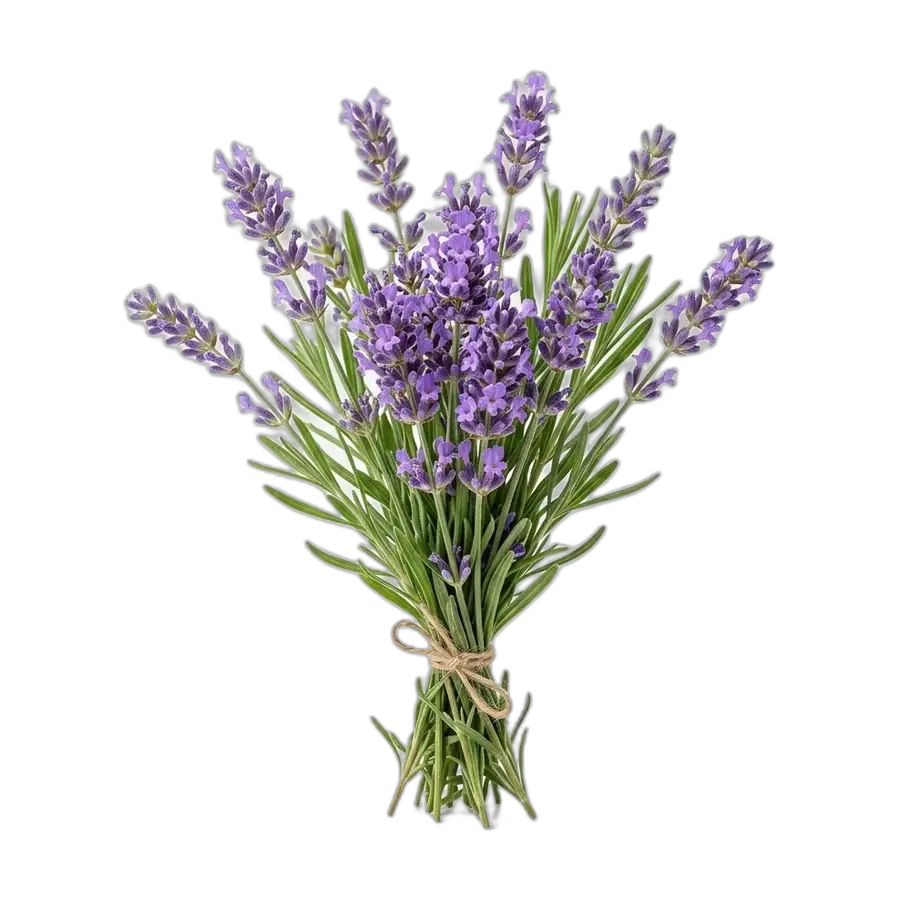
Lavender
Lavender — the grey-green shrub with purple spikes — is one of the most familiar garden scents. Its aroma comes from a few key volatile compounds that give each oil its character.
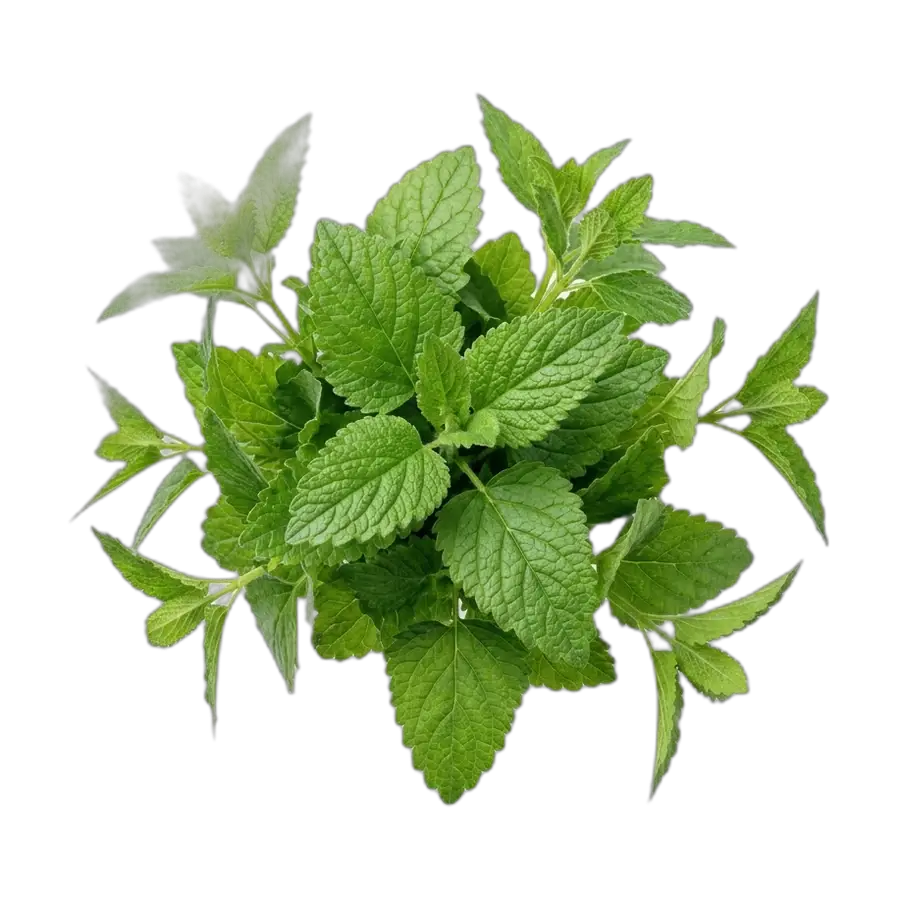
Lemon Balm
Lemon balm is a mint-family herb with a gentle lemon scent that has been grown in European gardens for centuries. Its chemistry centres on an essential oil and phenolic acids, and it appears in a modest role in one WellsparQ blend.
Linoleic Acid
Linoleic acid is the most common polyunsaturated fat in many Western diets and one half of the body’s dietary requirement for essential fats. It’s essential in the technical sense — the body cannot make it — yet it is often misunderstood.
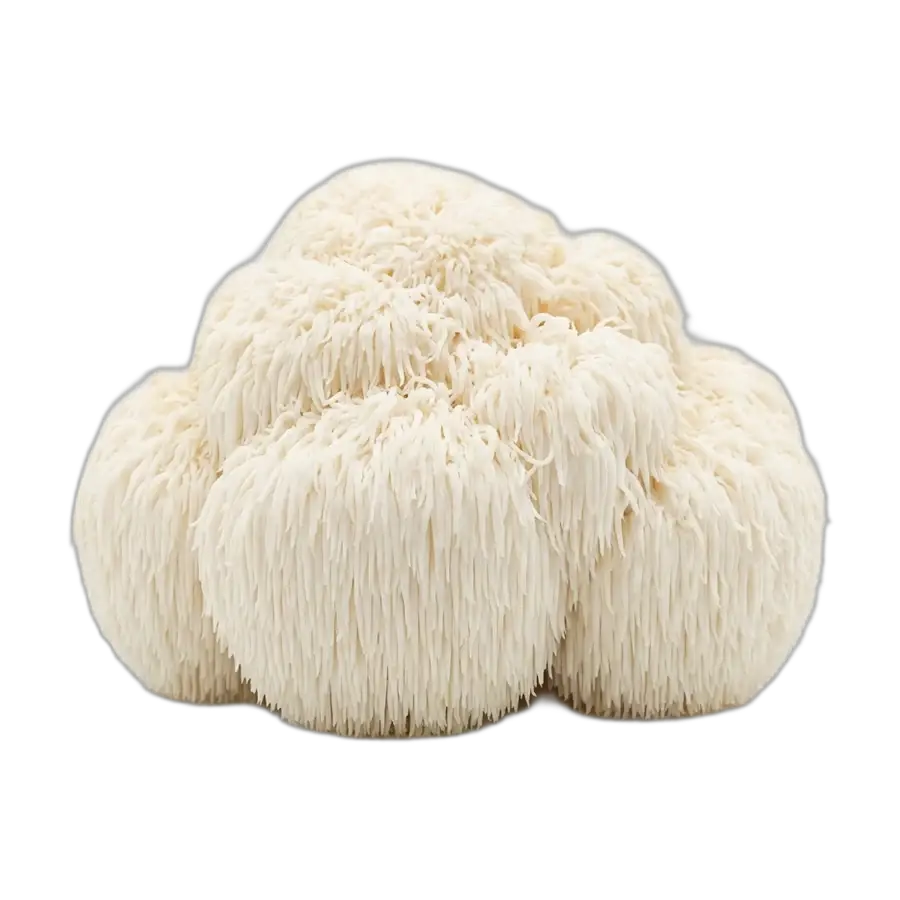
Lion's Mane Mushroom
Lion's mane is the shaggy white mushroom you spot on fallen hardwoods. Its distinctive appearance and edible history have made it a frequent subject of laboratory and small human studies.
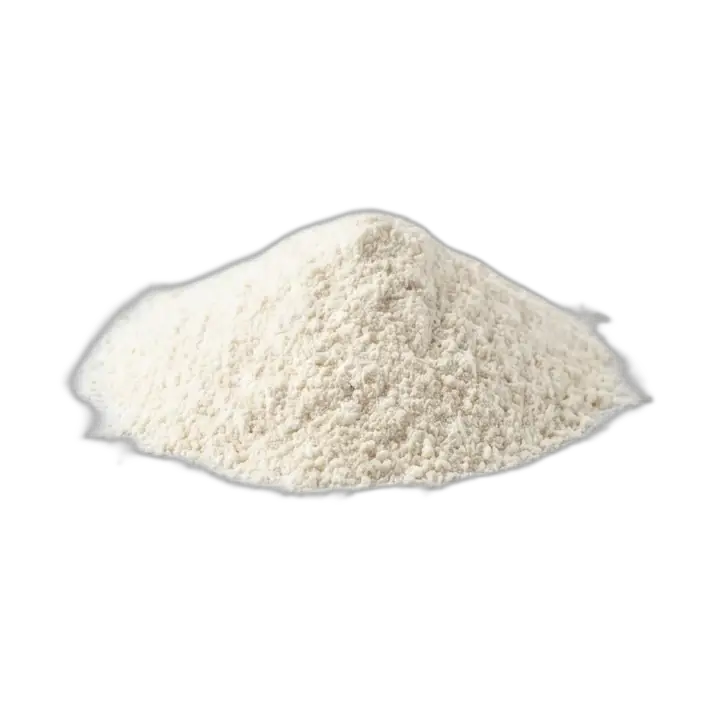
Lipase (enzyme)
Lipase is the enzyme that splits dietary fat into smaller pieces the gut can absorb. WellsparQ declares it both by weight and by activity units — a more informative label for enzymes.
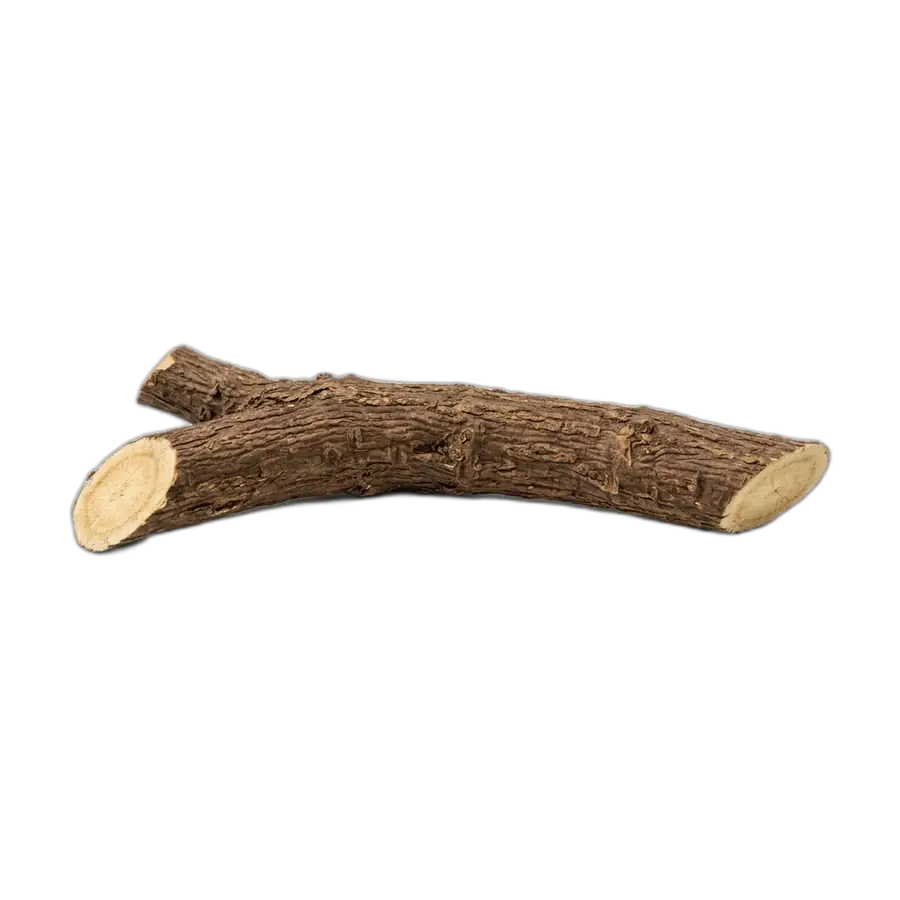
Liquorice Root
Liquorice has been used for millennia. Its sweetness comes from a single compound that also explains why some forms are chosen over others.
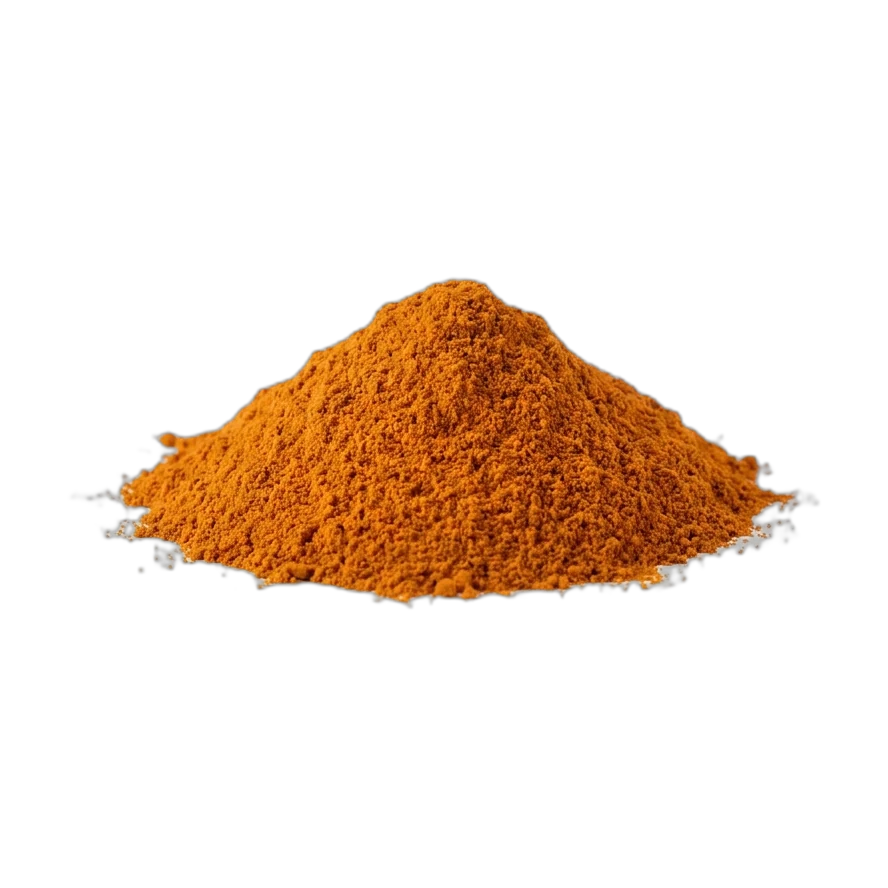
Lutein
Lutein is a yellow plant pigment that the human eye selectively stores in the macula. That unique behaviour explains why researchers focus on it rather than on marketing claims.
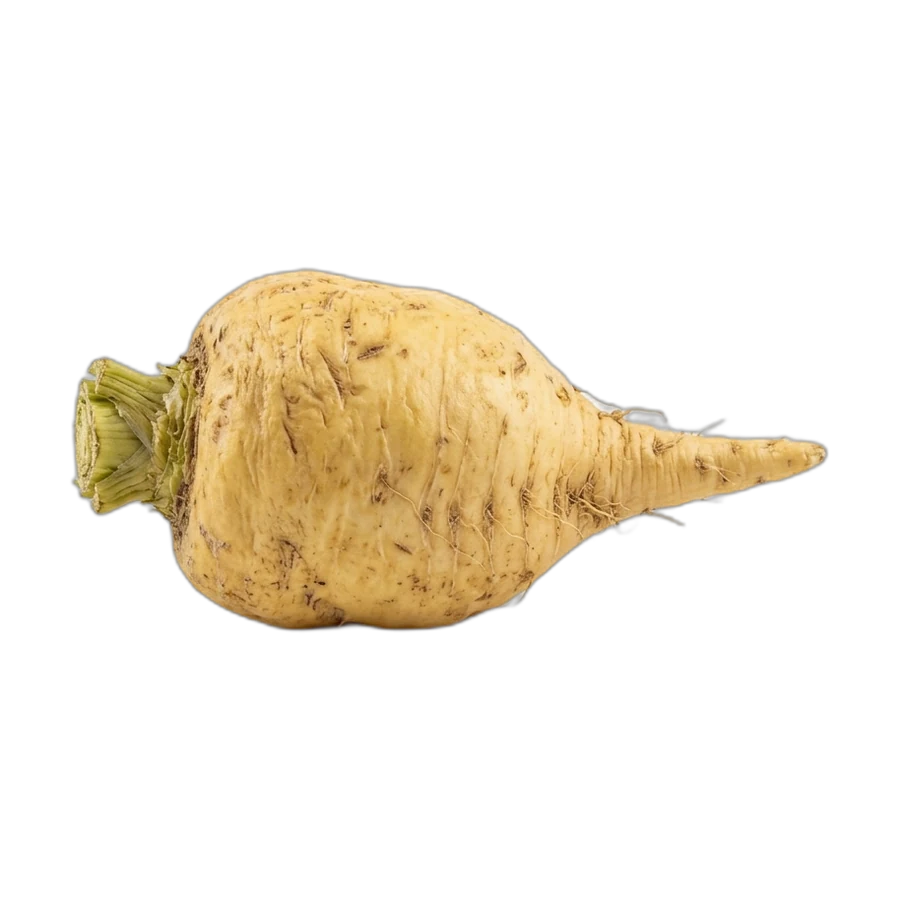
Maca Root
A hardy Andean root that thrives above 4,000 metres. Maca is an ancient food crop whose dried, milled root is now used in modern supplements.
Magnesium
Magnesium is an essential mineral with specific authorised claims in Europe. This article explains what those authorised claims are, why elemental dosing matters, and how WellsparQ uses different magnesium salts across its range.
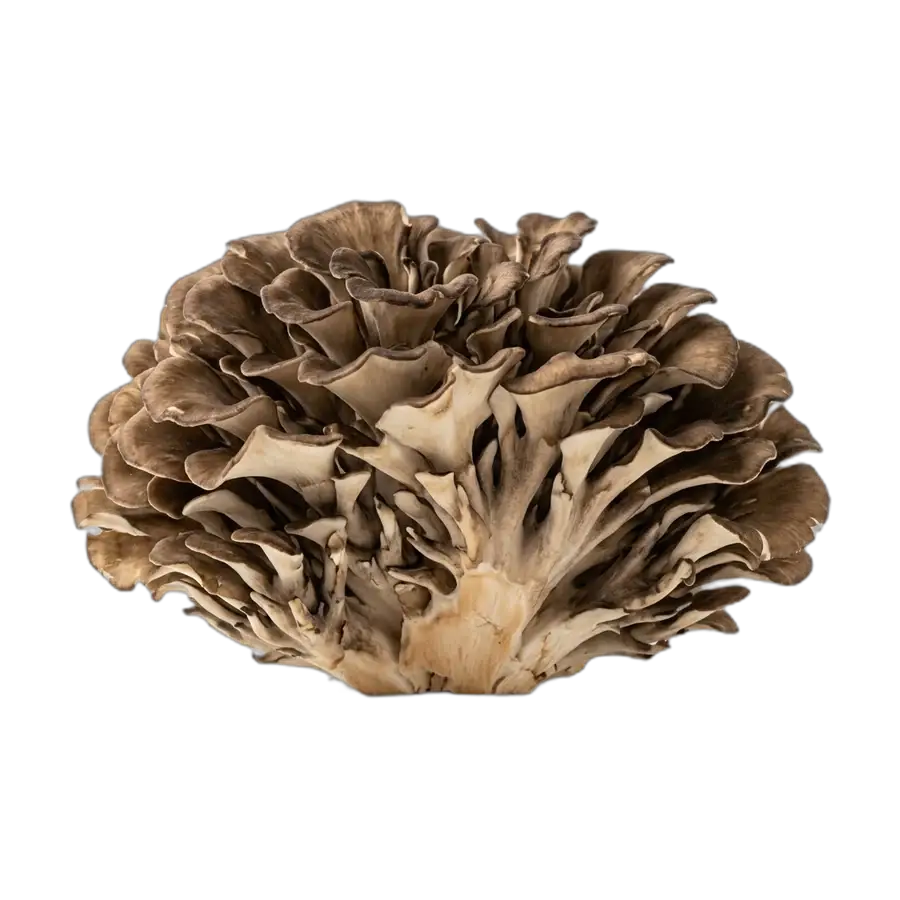
Maitake Mushroom
Maitake, Grifola frondosa, is the large clustered mushroom known in Japan as the “dancing mushroom.” It’s both a valued edible fungus and a subject of laboratory research into its cell-wall polysaccharides.
Manganese
Manganese is a true trace mineral: the body holds only a few milligrams, yet it quietly participates in many enzyme reactions. UK guidance recognises authorised health claims for manganese — so wording matters when we talk benefits.
Marine Collagen
Marine collagen is simply Type I collagen taken from fish and broken into small, soluble peptides. It is an animal-derived protein ingredient and not suitable for vegans or vegetarians.
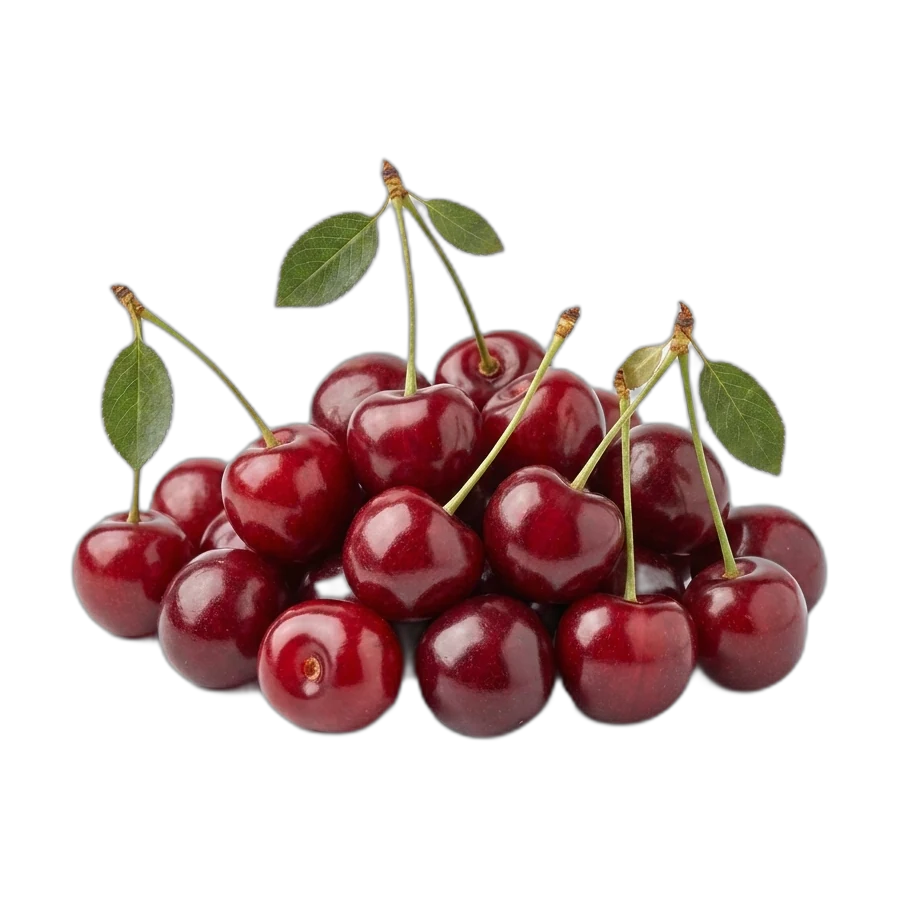
Montmorency Tart Cherry
Montmorency is a named variety of sour cherry used in supplements. Unlike vague “fruit blends,” it’s a specific cultivar with a traceable composition and a focused research literature.
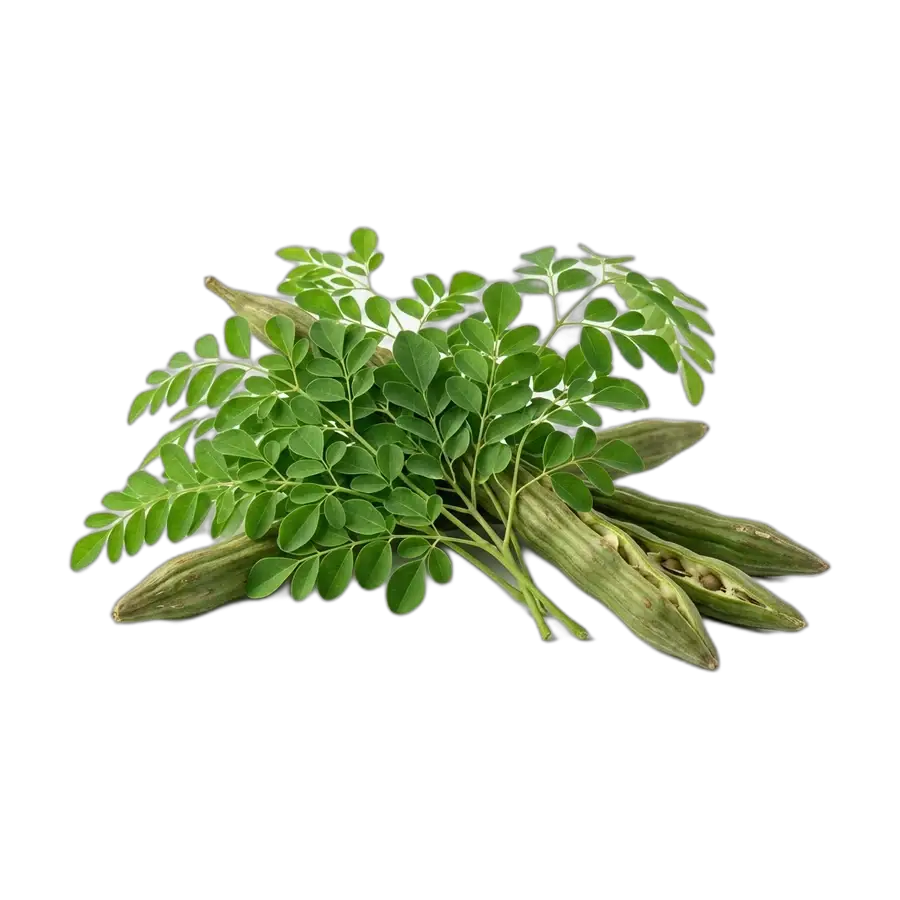
Moringa
Moringa leaf turns up in powders and capsules around the world. This article lays out what the leaf actually is, what it contains, and how WellsparQ uses a modest 100 mg in a capsule.
MSM
MSM, short for methylsulphonylmethane, is a simple organosulphur molecule often included in supplements. It supplies dietary sulphur and appears in some joint and skin formulations, usually at modest doses in multi-ingredient products.
N-Acetyl Cysteine
N-Acetyl Cysteine (NAC) sits at the crossroads of biochemistry, pharmaceuticals and food supplements. Its long research history and contested regulatory status make it an ingredient that demands careful explanation.
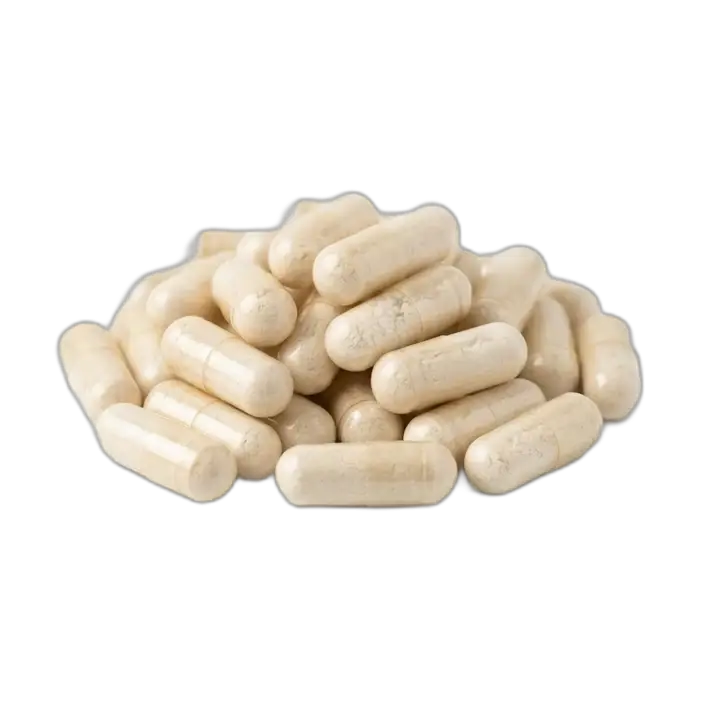
N-Acetyl L-Carnitine
N-Acetyl L-Carnitine (ALCAR) is an acetylated form of the carnitine the body makes and gets from food. This page explains what ALCAR is, why researchers study the acetyl form, and how WellsparQ uses it in a product.
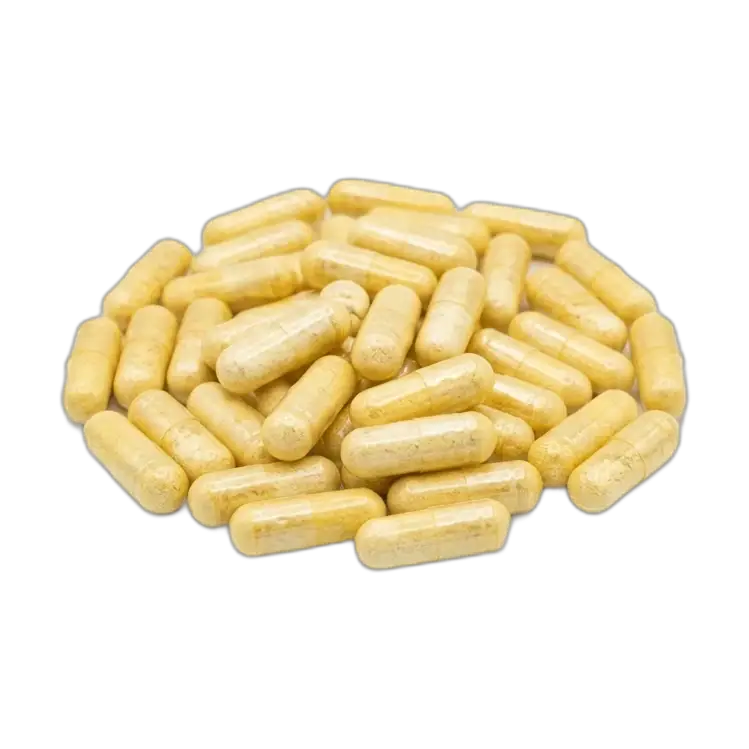
Nattokinase
Nattokinase is an enzyme made when soybeans are fermented into natto. It is measured by its activity, not just weight, and because it comes from soy it is an allergen that must be declared.
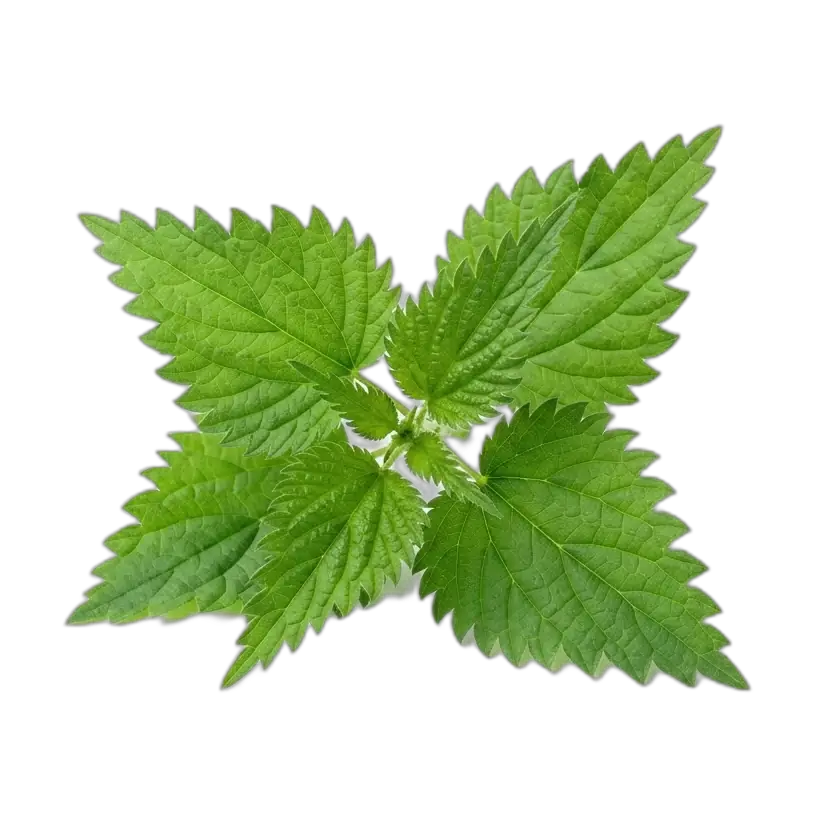
Nettle Leaf
Stinging nettle is familiar by touch long before it is known by name. Once wilted or cooked, its leaf has a long European food history and appears in modern supplements as a declared extract.
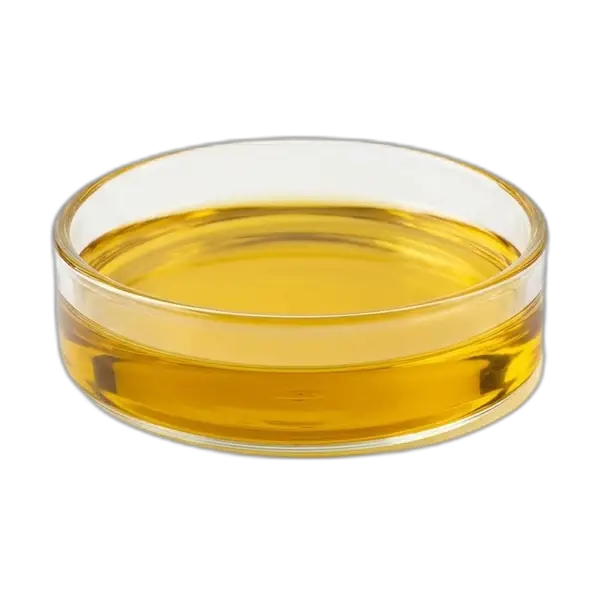
Oleic Acid
Oleic acid is the main fat in olive oil and a common component of many plant oils and nuts. It’s a monounsaturated omega‑9 fatty acid often listed by name on labels of blended oils.
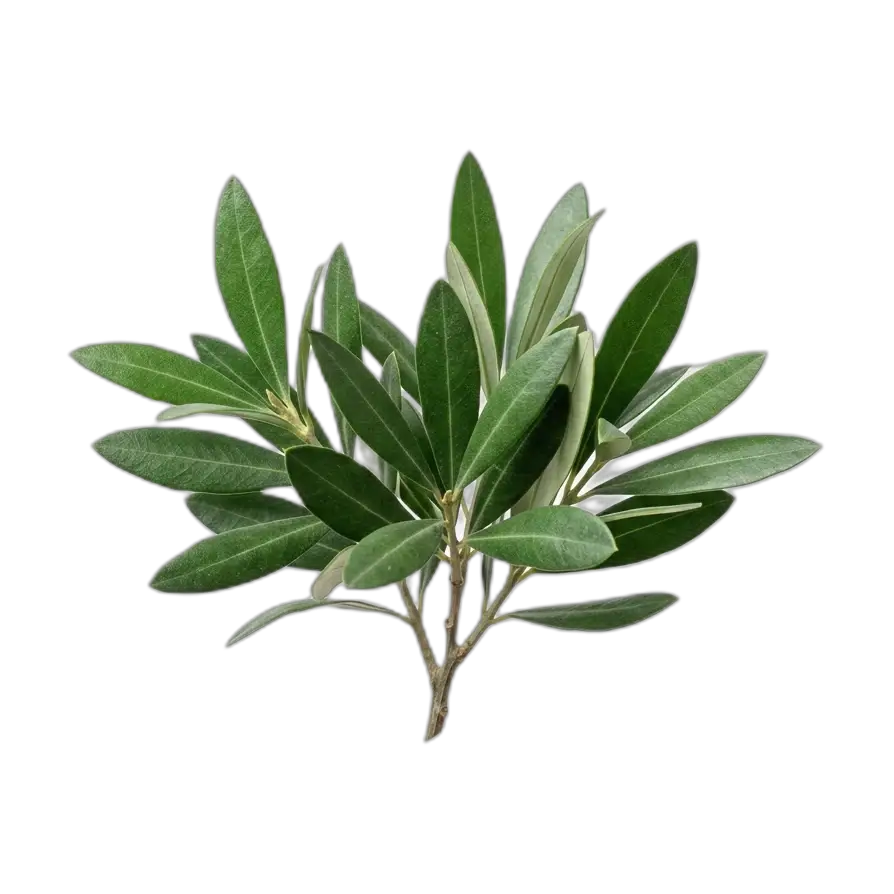
Olive Leaf
Olive leaf is the lesser-known part of the olive tree, noted for its characteristic compound oleuropein. WellsparQ uses standardised olive‑leaf extracts and declares oleuropein content on relevant product labels.
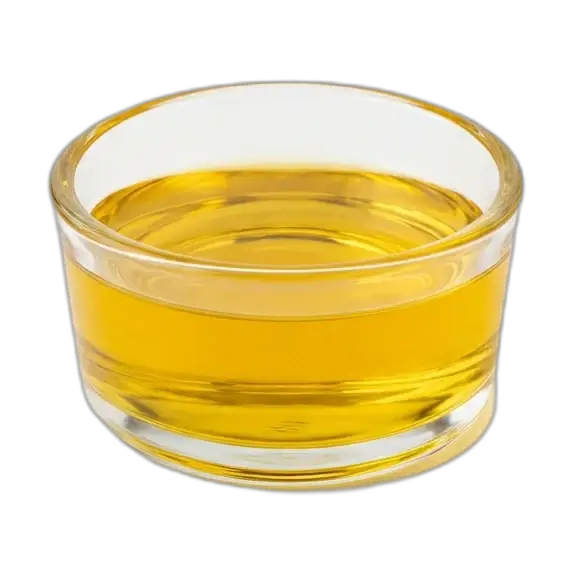
Omega 3
Omega-3 is a family of polyunsaturated fats, not a single ingredient. The differences between ALA, EPA and DHA and their dietary sources matter for formulation and for what regulators allow you to say.
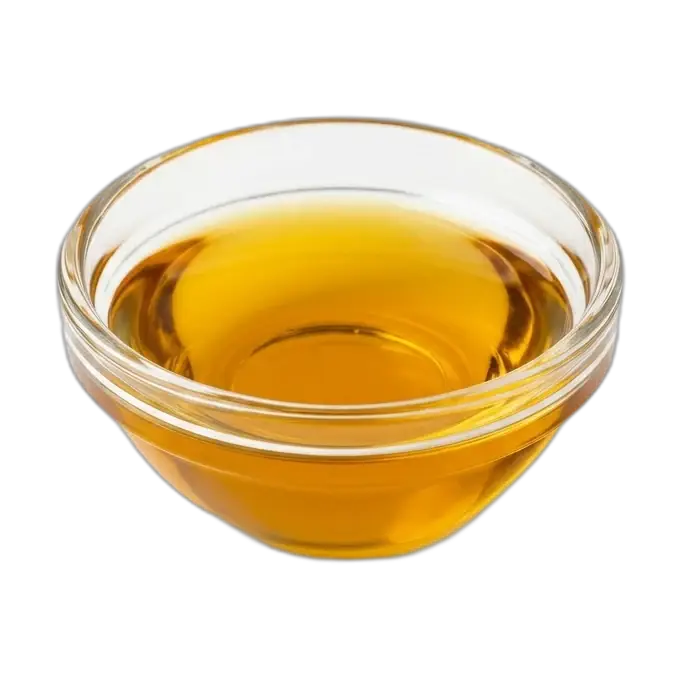
Omega 6
Omega-6 fats are a major, everyday part of many diets. They include linoleic acid, an essential fatty acid the body cannot make, plus related compounds such as GLA and arachidonic acid.
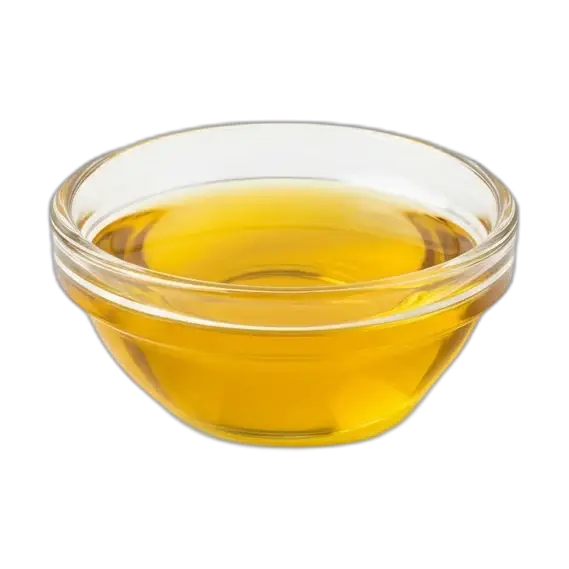
Omega 9
Omega-9 is the non-essential member of the familiar 3-6-9 trio of fatty acids. It is mainly oleic acid — the monounsaturated fat common in olive, rapeseed and avocado oils.
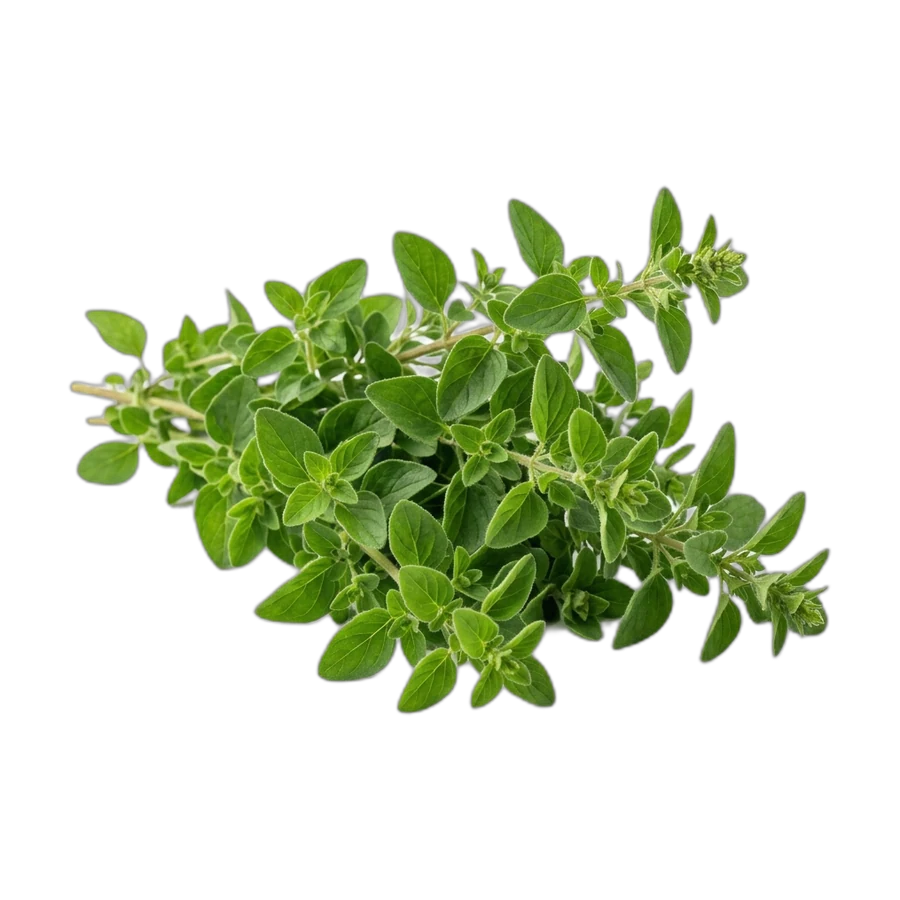
Oregano
A familiar kitchen herb with a long research record. This article explains what oregano leaf actually is, what's in its aroma, and how WellsparQ uses small declared amounts in formulas.
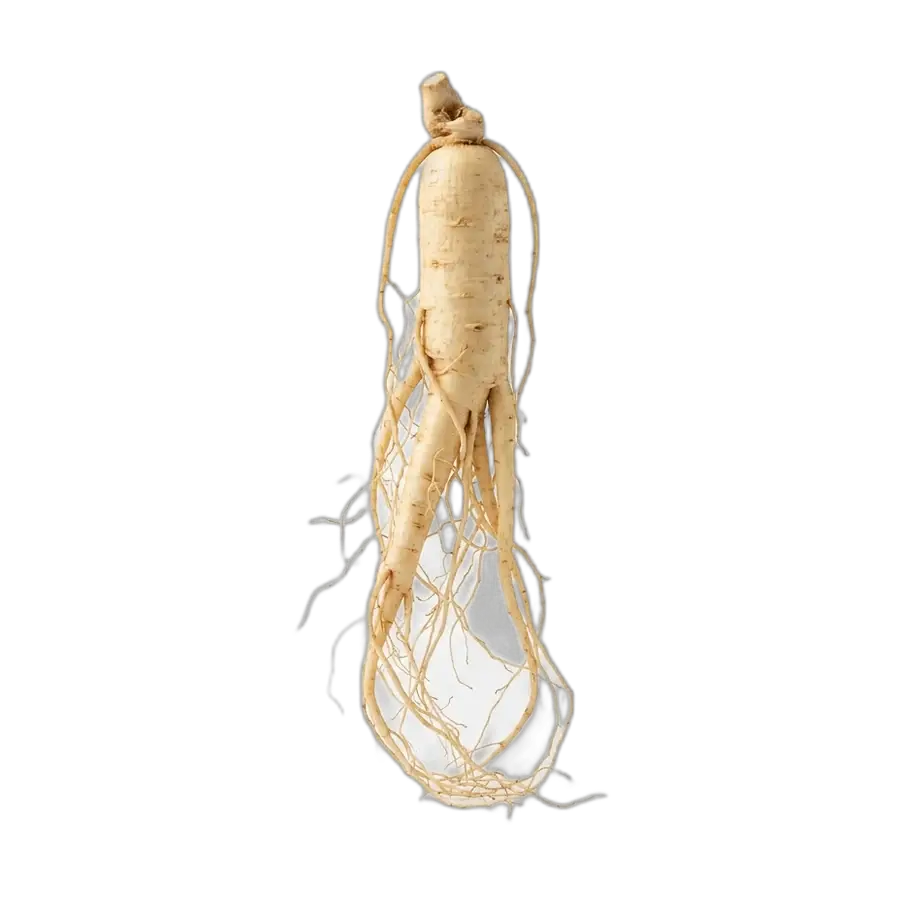
Panax Ginseng
Panax ginseng — often called Korean or Asian ginseng — is one of the most studied traditional botanicals. This page breaks down which ginseng is which, what its key molecules are, how the evidence stacks up, and how WellsparQ declares and uses it.
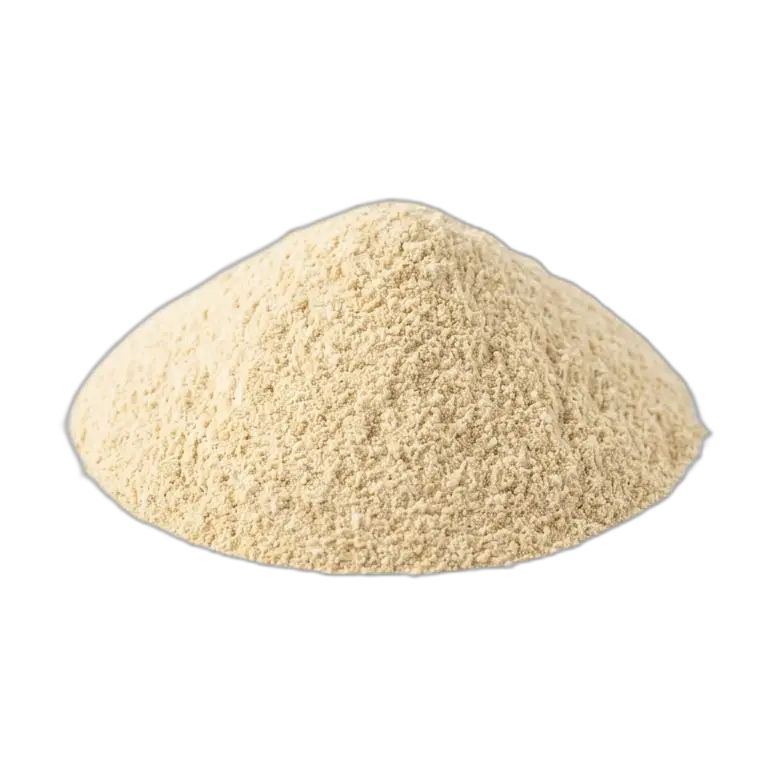
Papain
Papain is the protein‑digesting enzyme from unripe papaya that chefs have used to tenderise meat for centuries. In supplements it’s measured by enzyme activity, not by weight alone — and that difference matters for labelling and consistency.
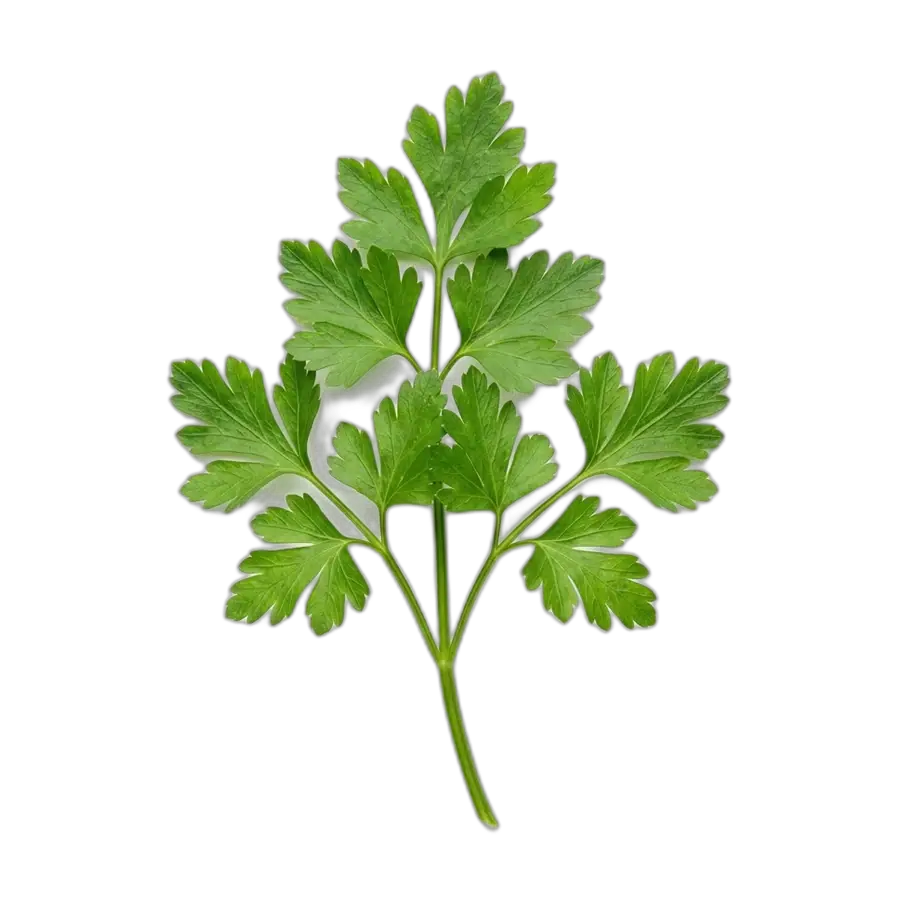
Parsley Leaf
Parsley is a common kitchen herb that also packs a measurable nutrient profile and identifiable plant compounds. WellsparQ uses a small, weighed portion of the dried leaf as a culinary-scale botanical in several formulas.
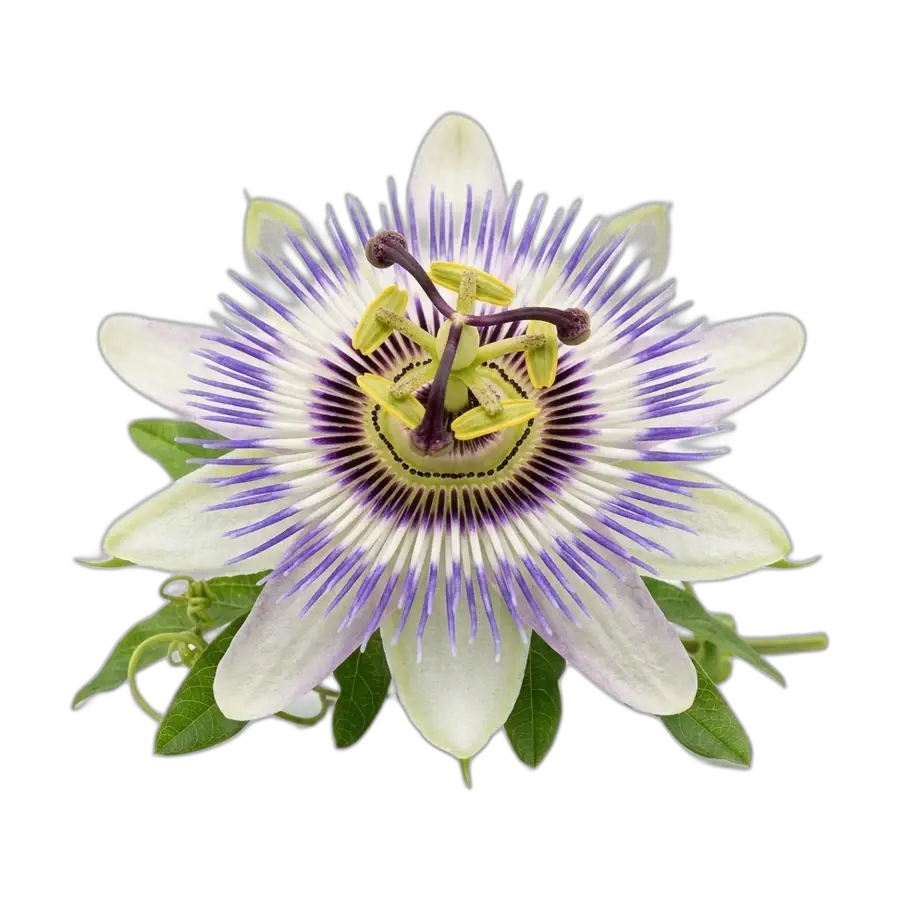
Passion Flower
Passion flower is a striking climbing plant whose dried aerial herb appears in traditional evening preparations. WellsparQ lists Passiflora incarnata as the lead botanical in its EveningCalm Blend and explains what that means for formulation and evidence.
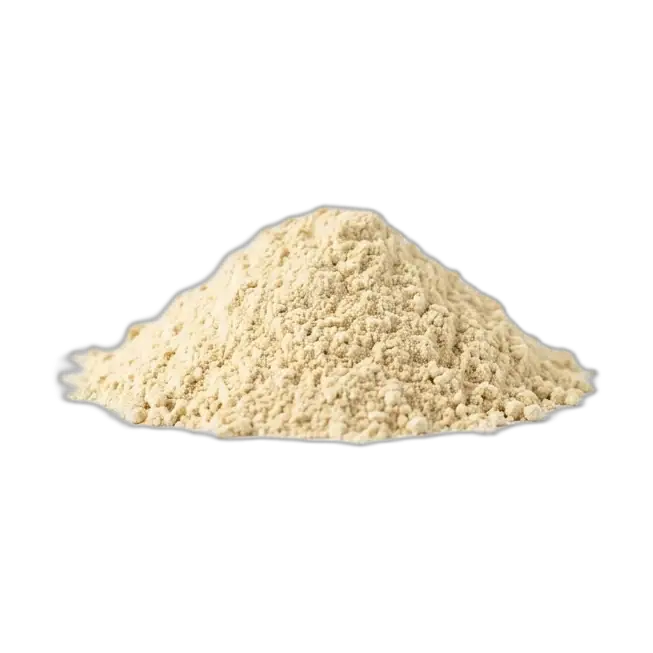
Pea Protein
Pea protein turns a humble field pea into a high-protein ingredient used in plant-based shakes. It supplies all nine essential amino acids and is widely used as a dairy-free protein alternative.
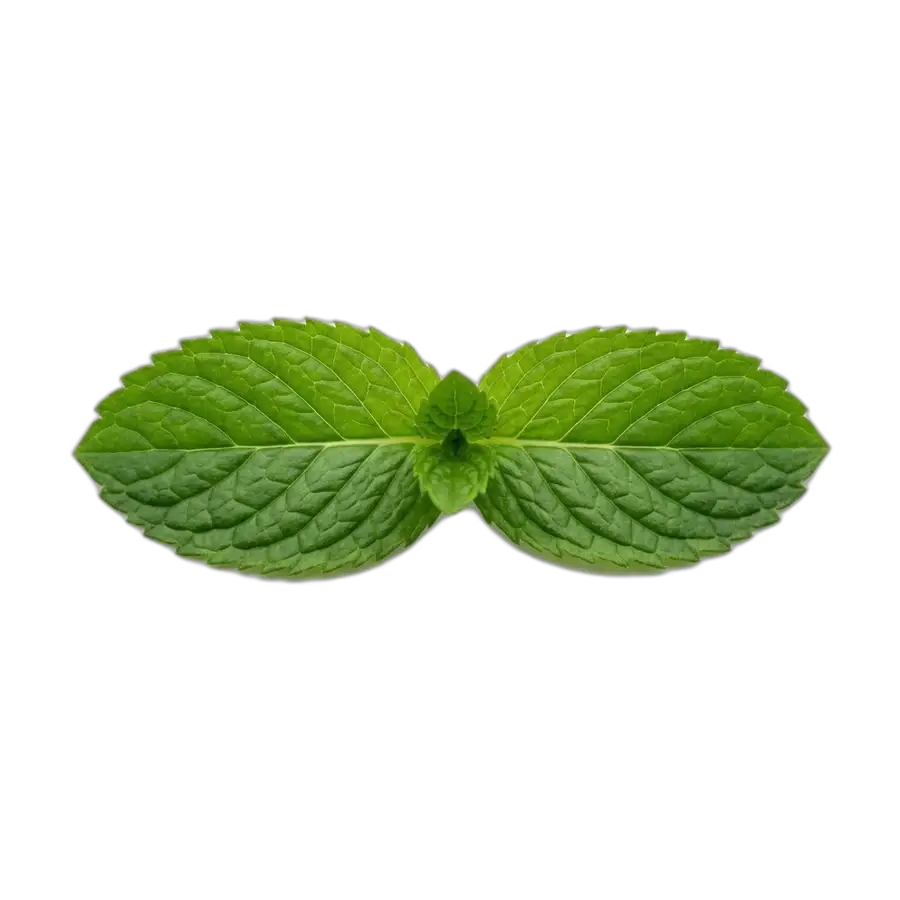
Peppermint Leaf
Peppermint leaf is the familiar cooling herb in teas and toothpaste. WellsparQ uses the dried leaf at a modest 20 mg dose as one of five matched digestive herbs in DigestEase Complex.
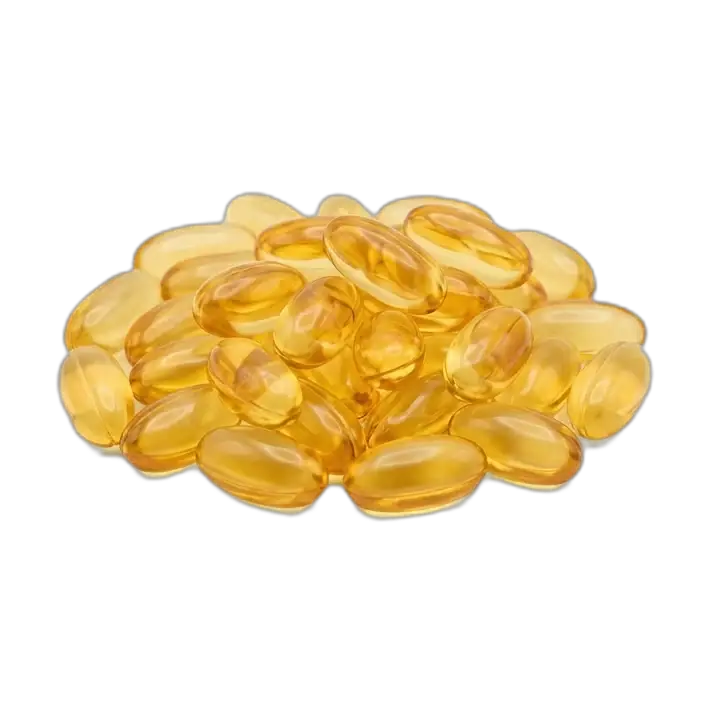
Phosphatidylcholine
Phosphatidylcholine is one of nature’s most common membrane lipids. At WellsparQ we use sunflower-derived phosphatidylcholine as the material that makes our liposomes.
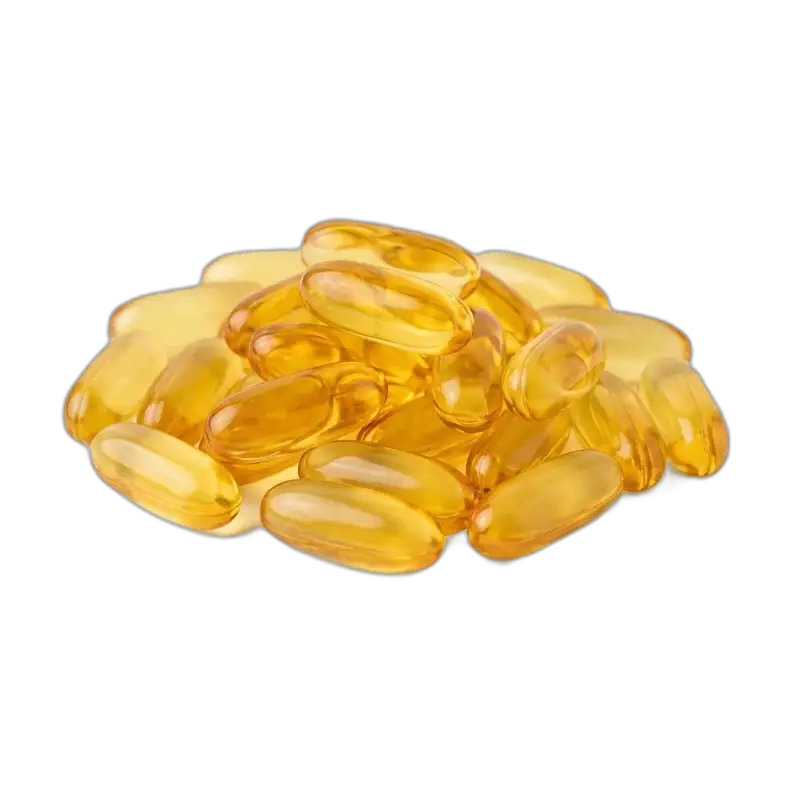
Phosphatidylserine
Phosphatidylserine is a membrane phospholipid found in particularly high levels in neural cell membranes. It appears in some formulations aimed at cognition, but regulatory authorities have not authorised health claims for it.
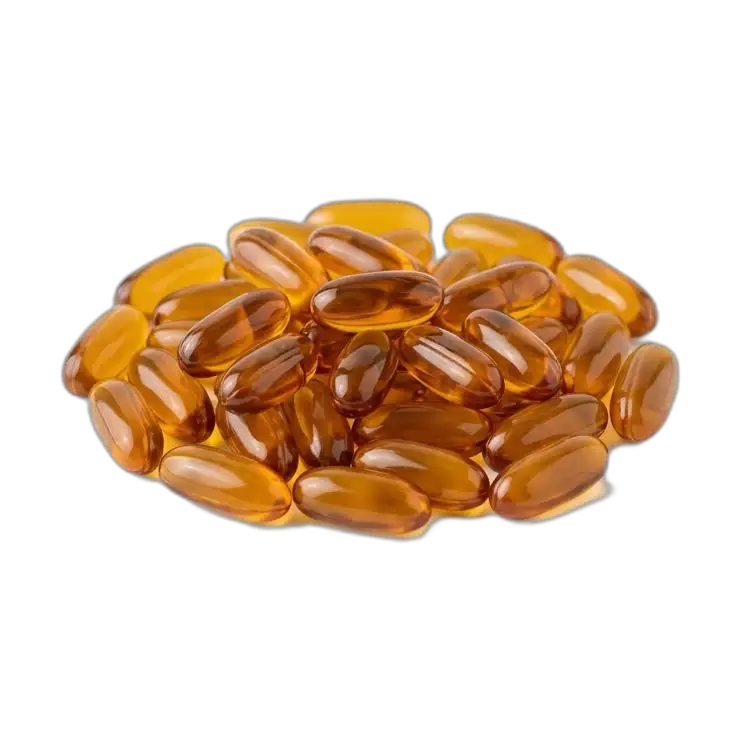
Phospholipids
Phospholipids are a family of fat molecules that form every cell membrane and double as the material for liposomes. WellsparQ uses marine and sunflower phospholipids for two different labelling roles: the natural carrier in krill oil and the structural shell in liposomal drops.
Phosphorus
Phosphorus is an often-overlooked mineral that’s everywhere in the body and in food. It works with calcium in bone and is a core component of cellular molecules such as ATP and DNA.

Pine Bark
Pine bark extract is a highly defined botanical ingredient. WellsparQ lists the exact proanthocyanidin content so you know what the extract actually delivers.
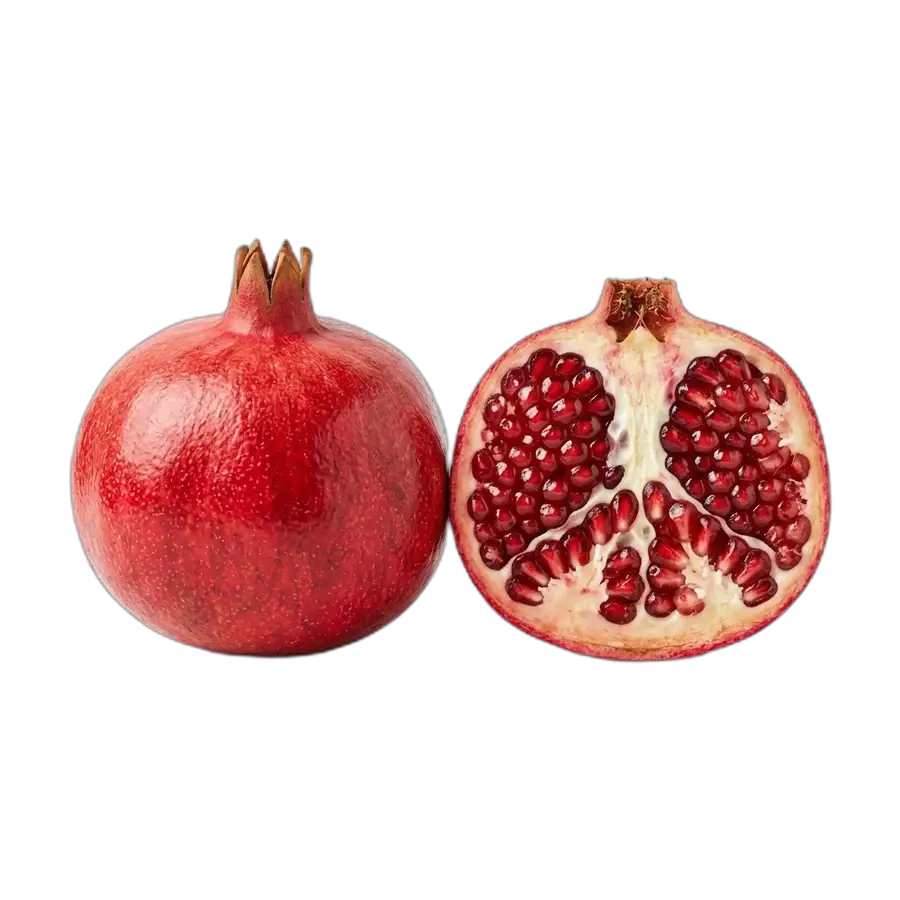
Pomegranate
Pomegranate has been used for millennia across the Mediterranean and beyond. Modern interest focuses on its polyphenols, and WellsparQ uses the seed measured by ellagic acid to give a clear, comparable dose.
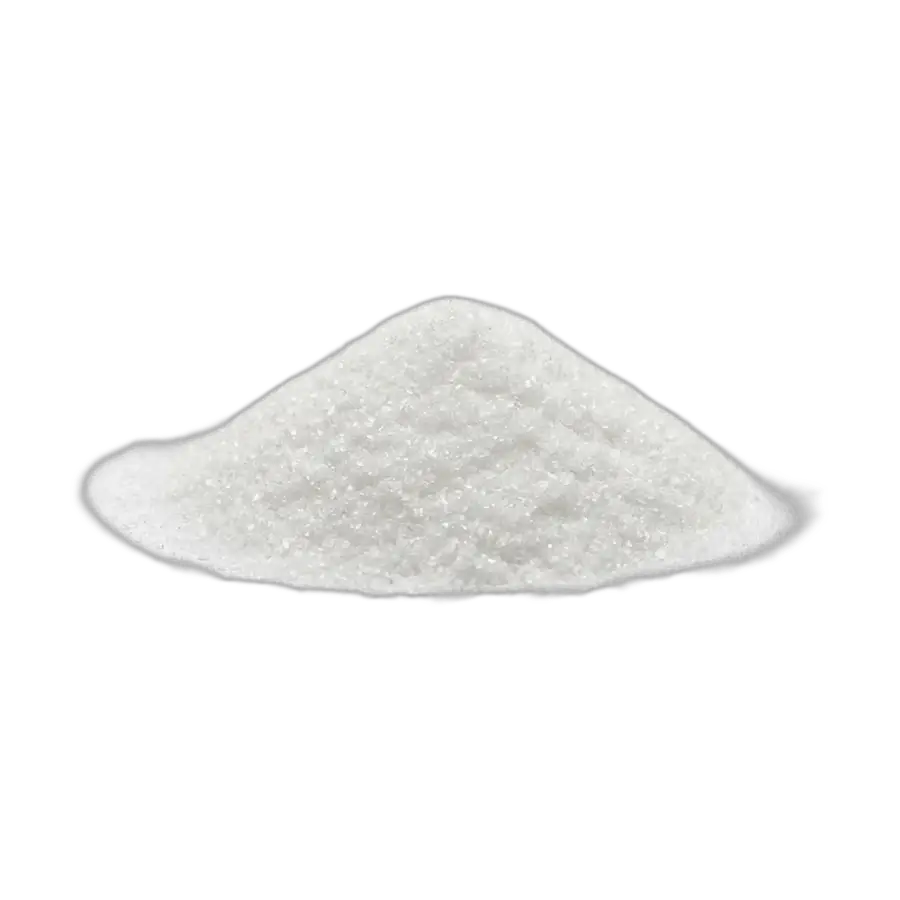
Potassium
Potassium is the main positive ion inside cells, balancing sodium and enabling the electrical signals that underlie nerve and muscle activity. It is an essential electrolyte mineral obtained from food and included in WellsparQ products in modest, regulated amounts.
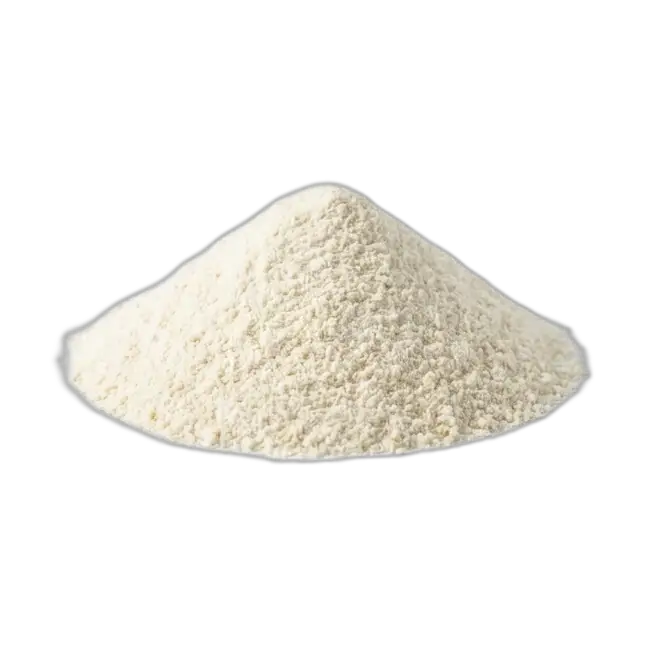
Protease (enzyme)
Protease is an enzyme that cuts protein chains into shorter pieces. When used in supplements it’s measured by activity units, not just milligrams.
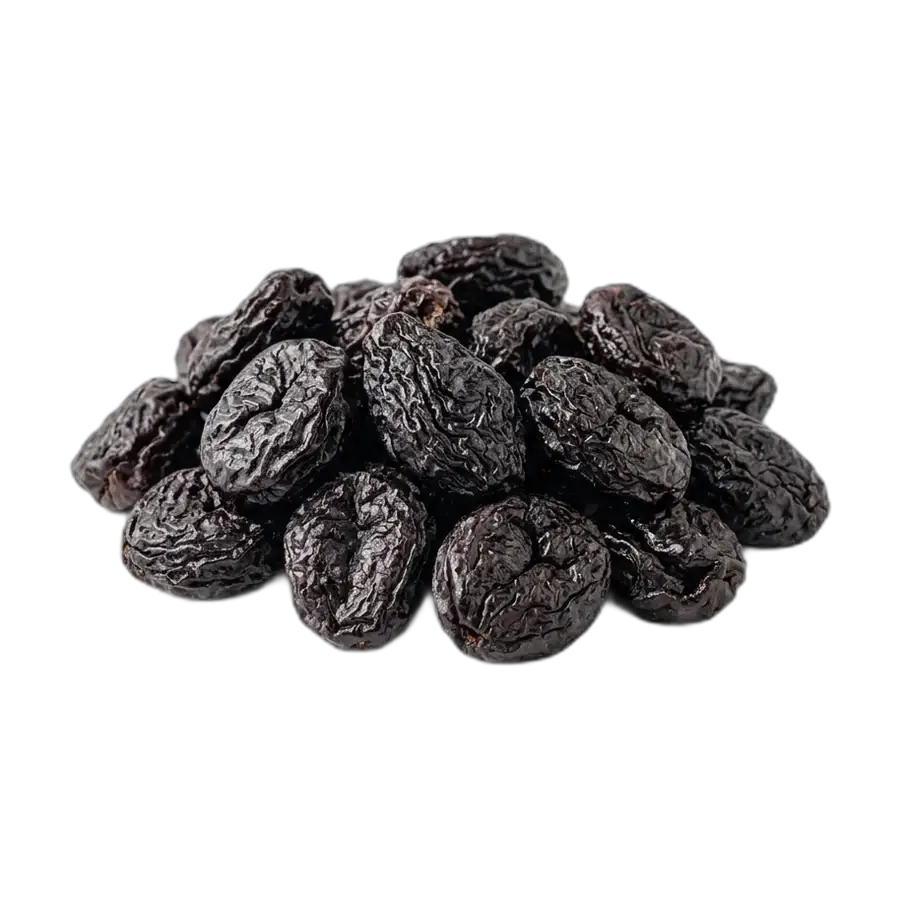
Prune
Prunes are simply dried plums, concentrated in sugars and fibre. WellsparQ uses a small prune juice fruit extract (50 mg equivalent) as a food-derived component in a fibre formula.
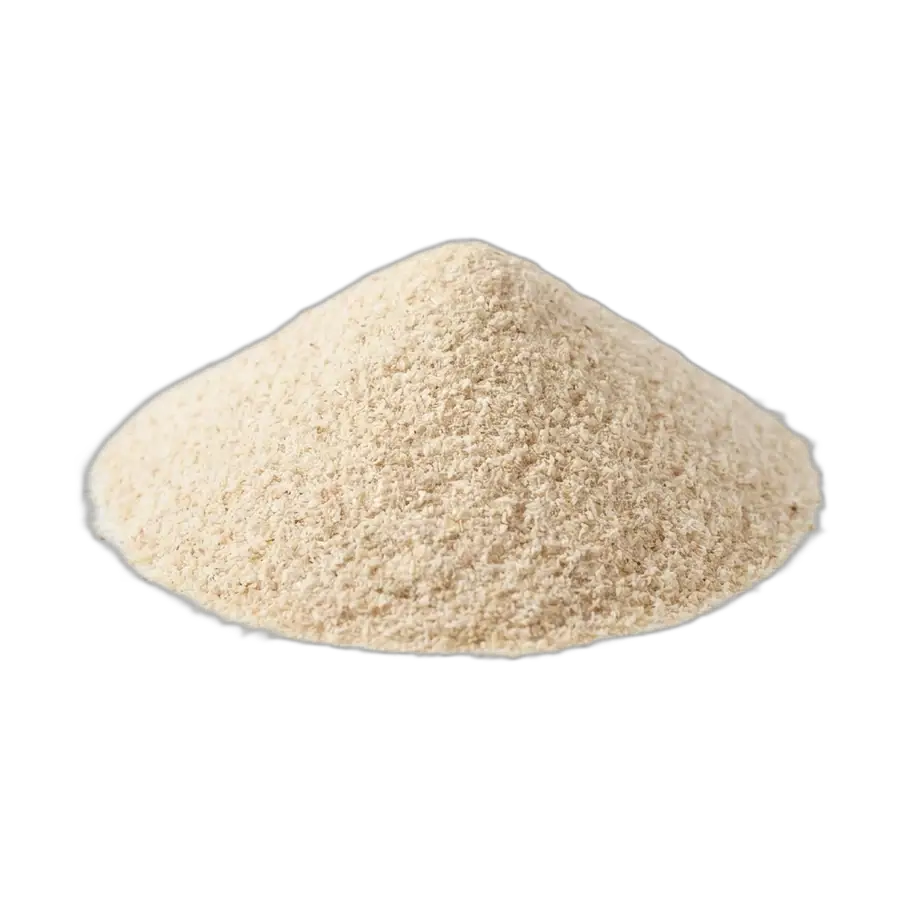
Psyllium Husk
Psyllium husk is simply the papery outer layer of Plantago ovata seeds. Its defining feature is physical: when it meets water it swells into a viscous gel, and almost everything useful to know about it follows from that behaviour.
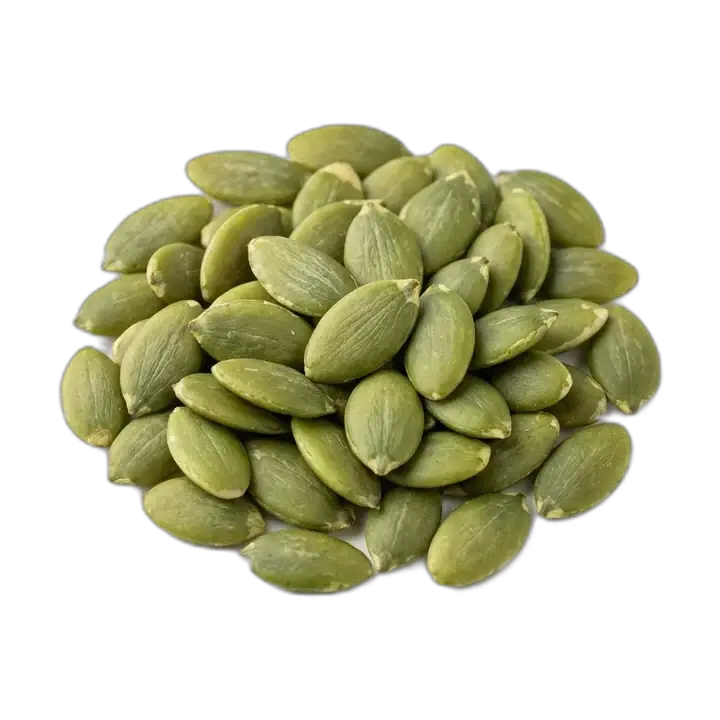
Pumpkin Seed
Tiny, green pepitas pack surprising nutritional variety. This article unpacks what pumpkin seed actually is, what it contains, and how WellsparQ presents it in a supplement.
Quercetin
Quercetin is a common plant flavonol you already get from everyday foods such as onions and apples. This article explains what quercetin is, where it comes from in the diet, and why the chemical form matters for how much the body actually absorbs.
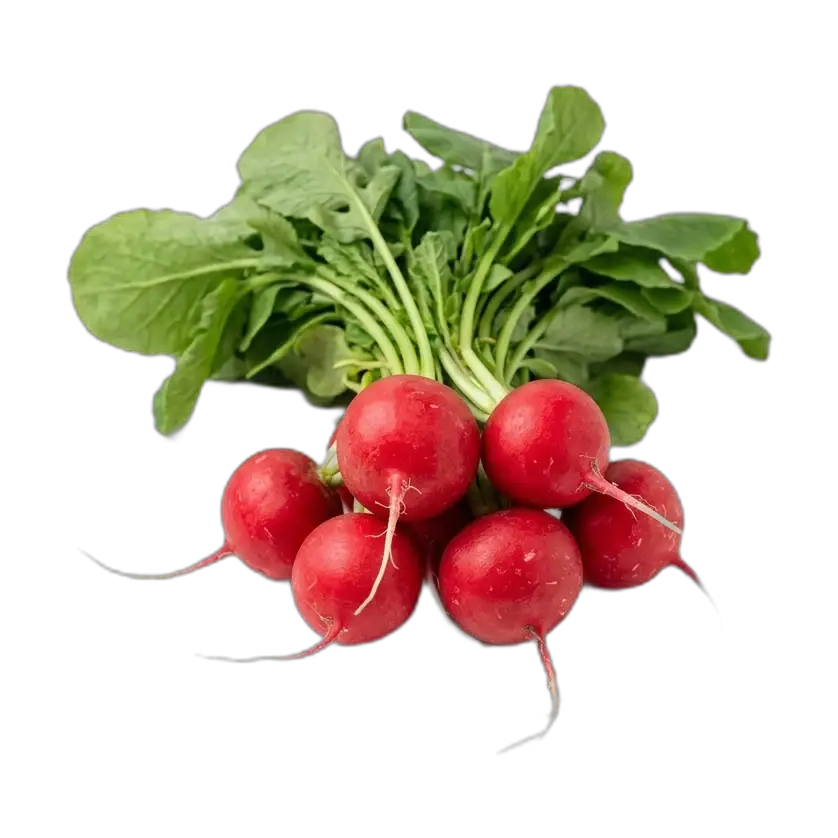
Radish
A familiar salad root, radish brings distinctive brassica chemistry to a supplement formula — but the evidence base for health effects is limited. WellsparQ includes a small, declared amount in one electrolyte-themed product and describes it transparently as a food-derived botanical.
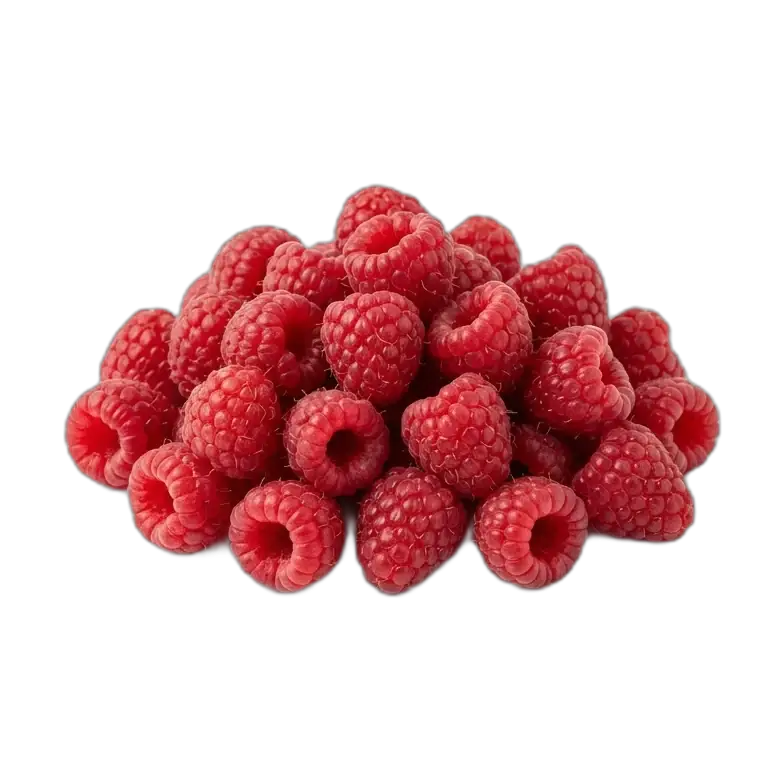
Raspberry
Raspberry can mean three different things. WellsparQ's ingredient is the whole fruit — not the ketone and not the leaf — and that choice matters for composition and regulatory wording.
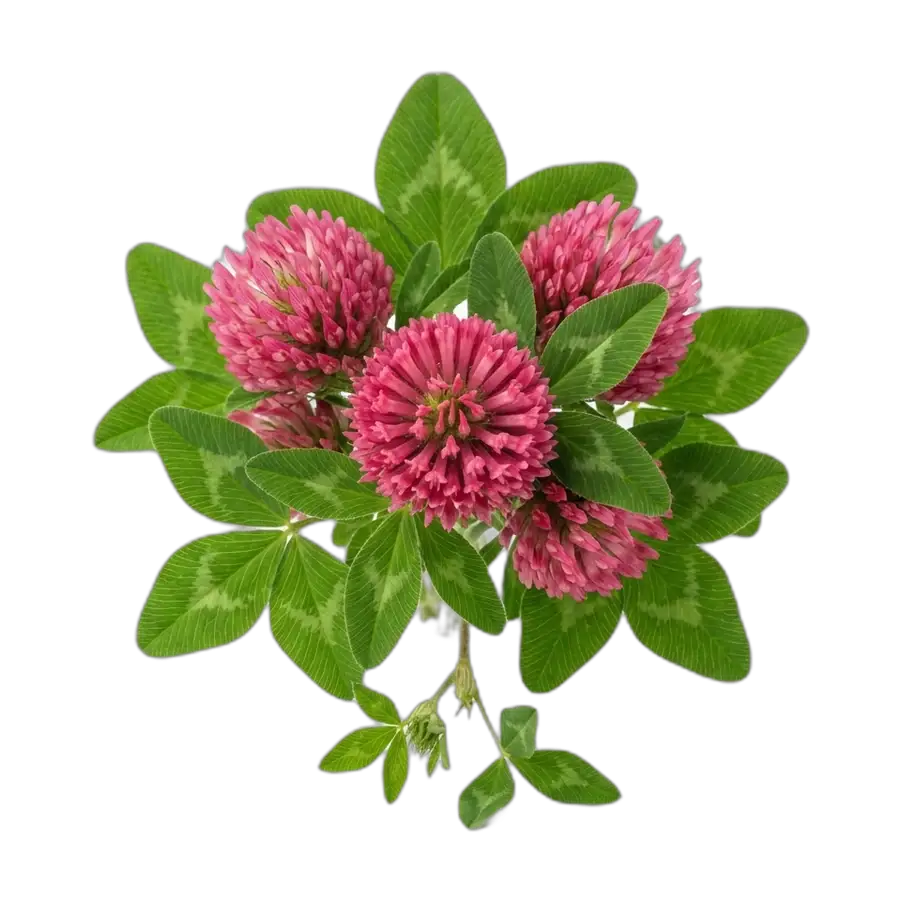
Red Clover
Red clover (Trifolium pratense) is notable for its isoflavone chemistry and an unusually concentrated research record. That record is mixed: some analyses find a small signal in clinical trials, while others judge the evidence inadequate or inconsistent.
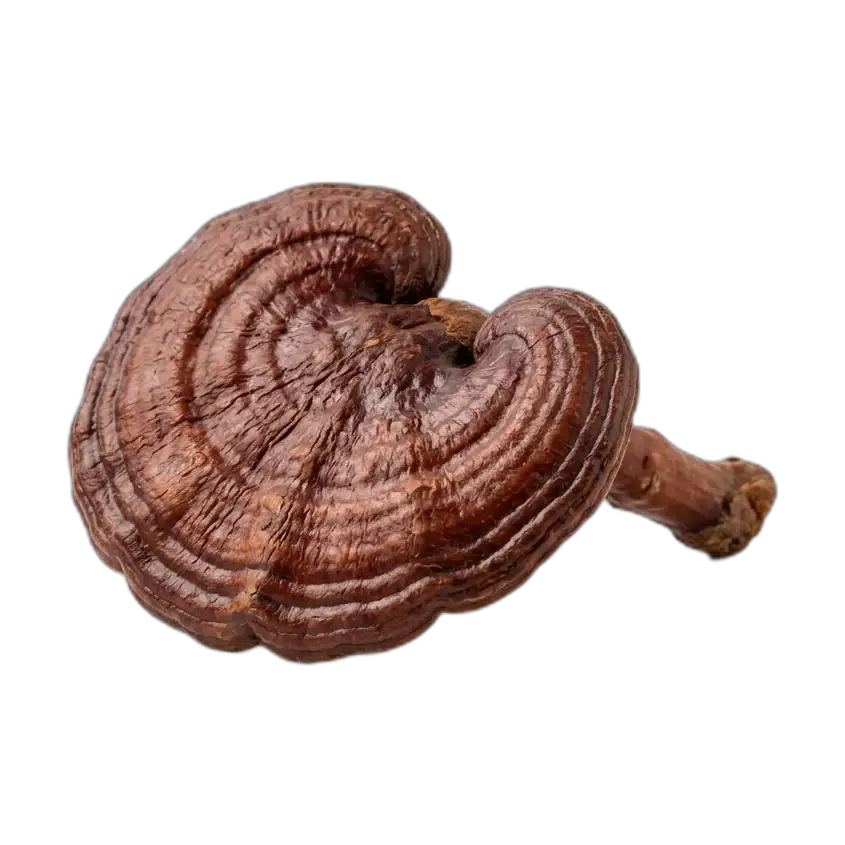
Reishi Mushroom
Reishi, or Ganoderma lucidum, carries centuries of cultural weight across East Asia. This article separates folklore from factual detail and explains why the mushroom part matters for shoppers.
Resveratrol
Resveratrol is a single plant molecule that grabbed headlines via the ‘French paradox’ and red wine. It’s widely sold in supplements, but the body handles it in a way that makes meaningful dosage a challenge.
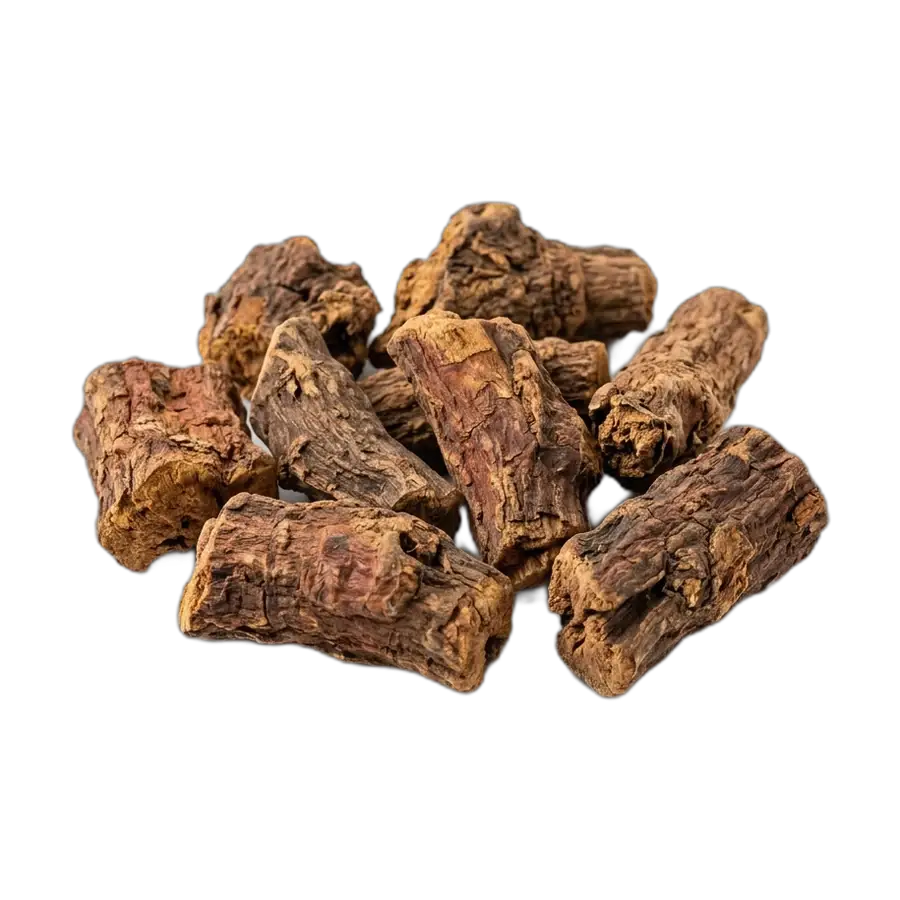
Rhubarb Root
Not the garden stalk: rhubarb root is the dried root of Rheum species, used historically in herbal pharmacopoeias. Its chemistry is distinctive and regulated, so clear explanation matters.
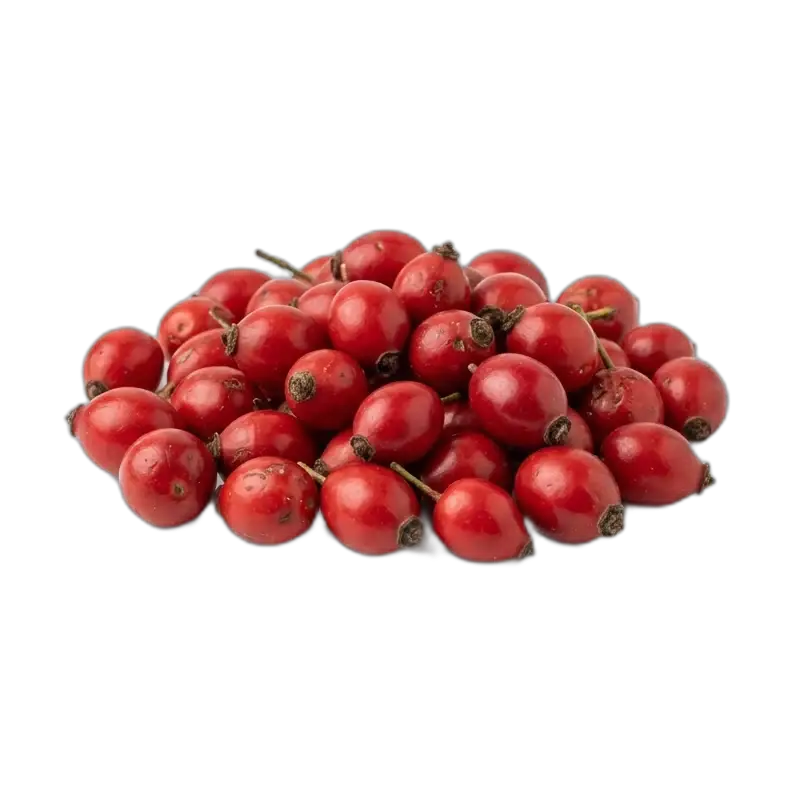
Rosehip
Rosehip is the bright orange-red fruit of the wild dog rose. It’s been eaten and made into teas and syrups for centuries, and modern extracts are used in supplements for their nutrient and phytochemical mix.
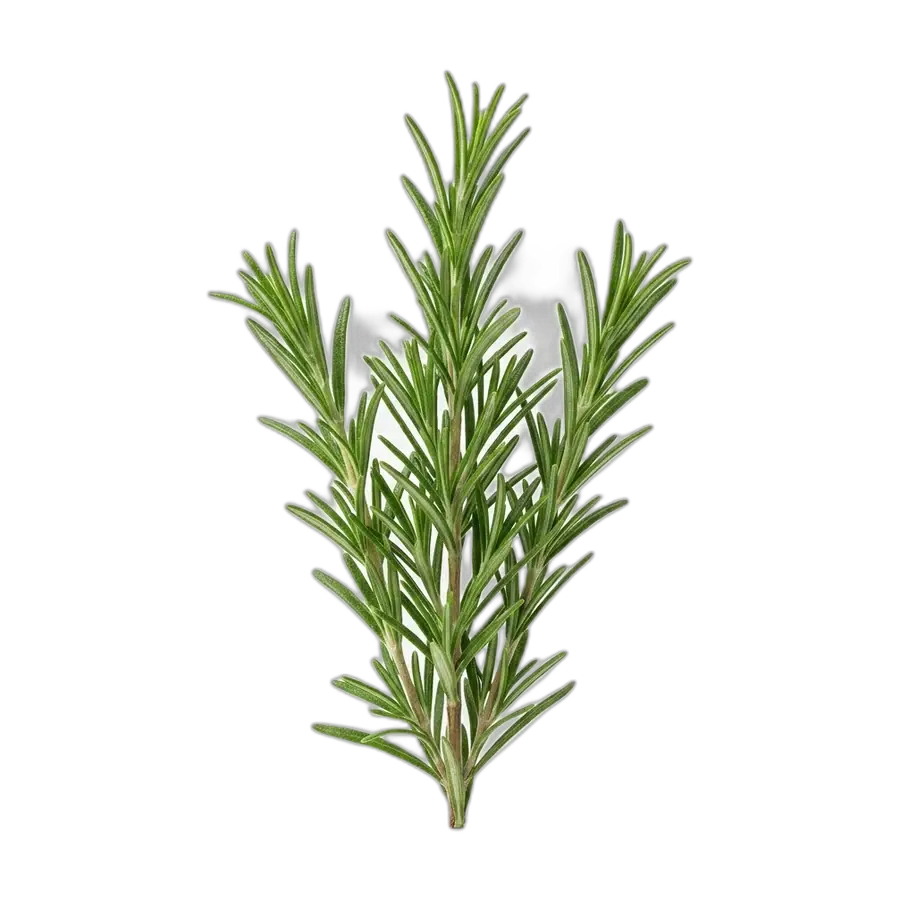
Rosemary Leaf
Familiar from the kitchen, rosemary also turns up on supplement labels — but its story there is unusually factual. This piece explains what we can say, and what regulatory rules mean for botanical claims.

Saccharomyces boulardii
Saccharomyces boulardii is a live yeast culture — not a bacterium — commonly listed by CFU rather than weight. That single distinction changes how it behaves and how it should be described on a label.
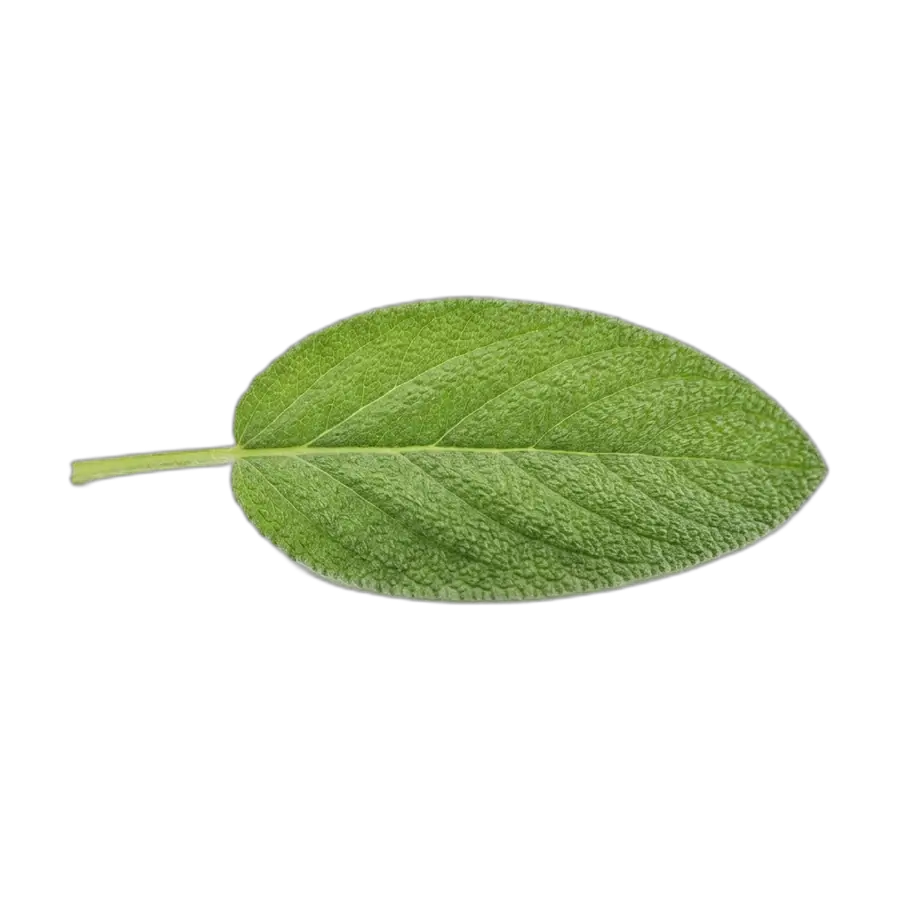
Sage Leaf
Sage is the grey-green leaf you know from the kitchen, but in concentrated form it carries a compound — thujone — that needs respect. This article lays out what sage leaf is, what it contains, what modern studies actually show, and the safety notes every supplement user should see.
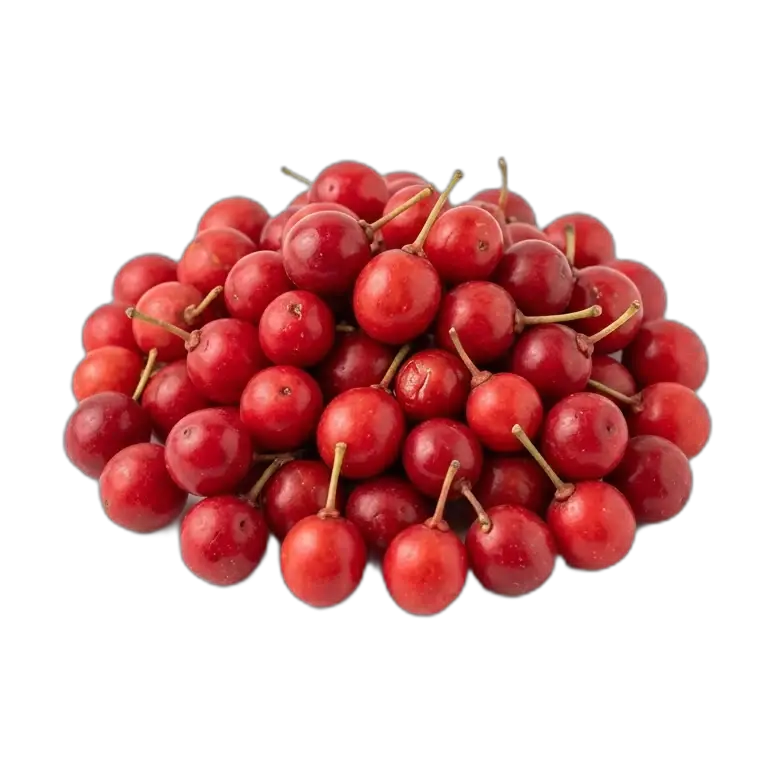
Schisandra Berry
Schisandra, known as the "five-flavour berry", is a small red fruit with a distinct chemistry that draws scientific interest. WellsparQ lists it openly on labels in modest amounts rather than hiding it inside blends.
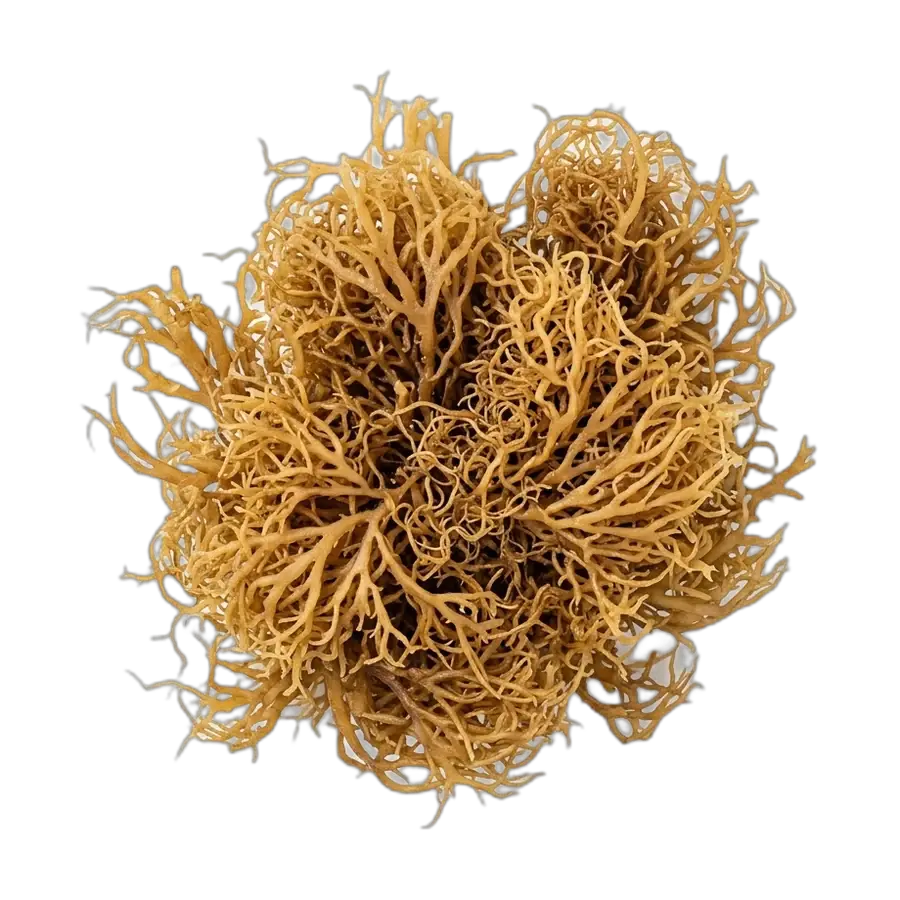
Sea Moss
Sea moss — often sold as 'Irish moss' — is a red seaweed long used in food for its gelling properties. It turns up in supplements because it carries minerals such as iodine, but the scientific evidence for health effects from taking the whole seaweed is limited.
Selenium
Selenium is a trace mineral the body needs in very small amounts. Unlike most botanical ingredients, it appears on the GB/EU register with specific authorised claims when supplied at qualifying doses.
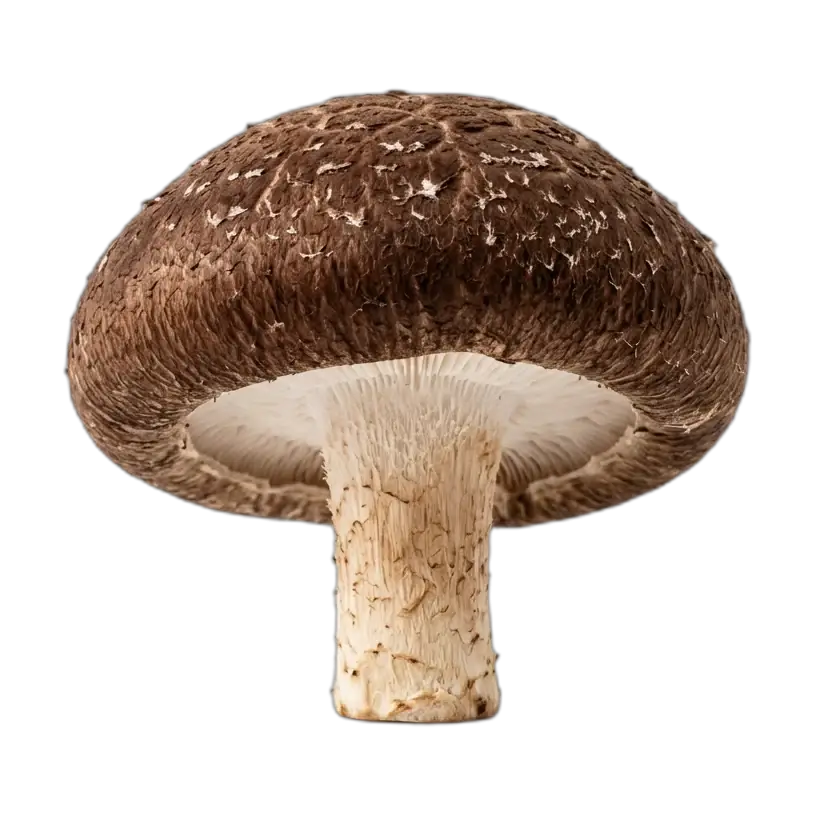
Shiitake Mushroom
Shiitake is one of the world’s most widely cultivated edible mushrooms and a long-standing ingredient in East Asian cuisine. WellsparQ describes it as a food-derived botanical and focuses on what the fruiting body actually contains.
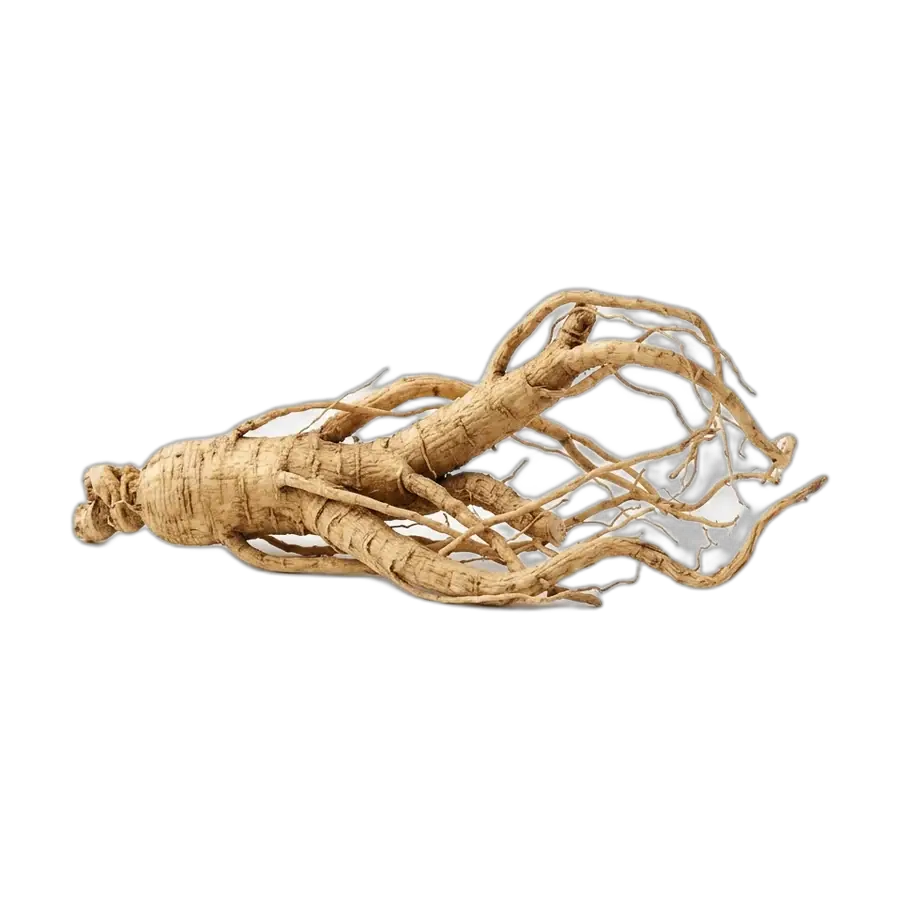
Siberian Ginseng
Siberian ginseng is commonly called eleuthero, but it is not true ginseng. WellsparQ uses a named, weighed extract — this piece explains what the plant is, what’s in it, and how regulators view it.
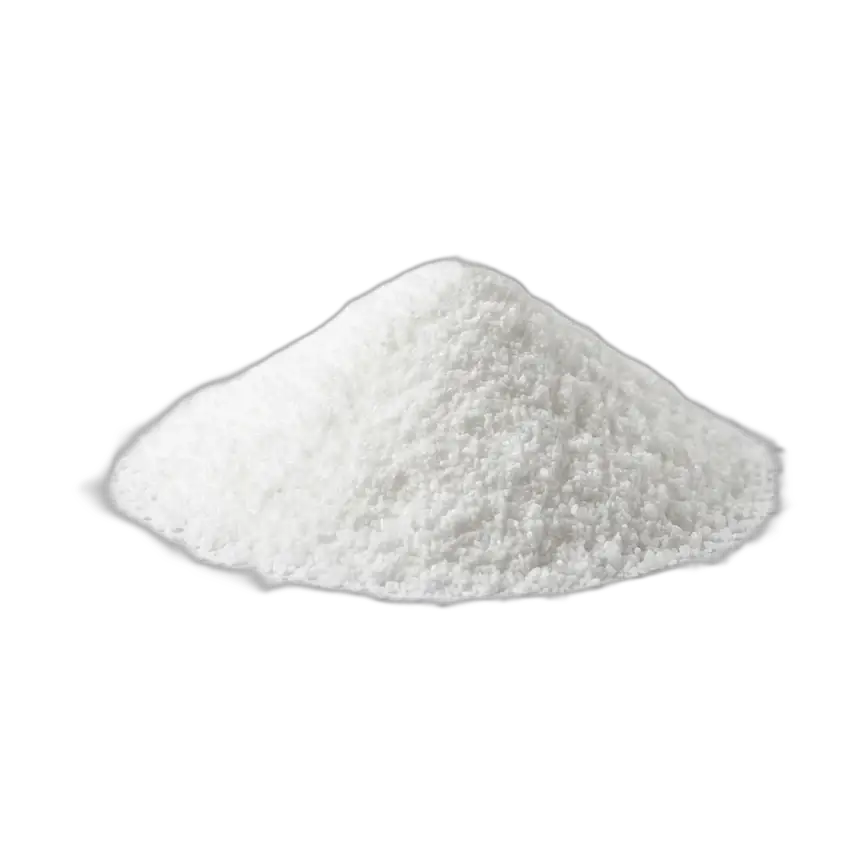
Sodium
Sodium is widely talked about as something to cut down on — yet it is an essential electrolyte the body needs. WellsparQ declares sodium sources and milligram amounts so customers can see exactly what they consume.
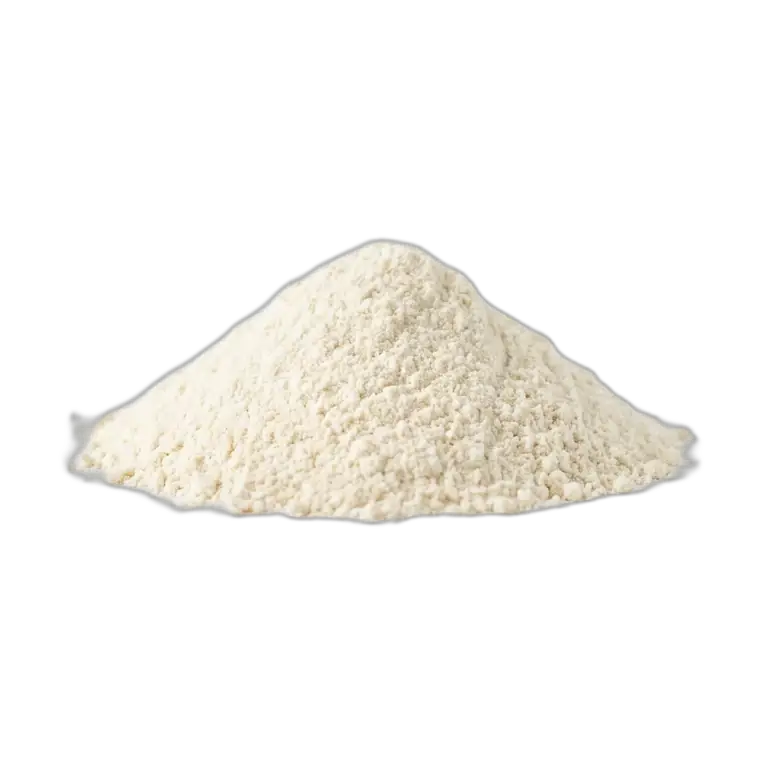
Soy Protein
Soy protein isolate is the concentrated, neutral-tasting powder that makes our meal shakes deliver substantial protein from a plant source. This article explains how isolate is made, why its protein quality is well regarded, and what we can and cannot say about it under UK rules.
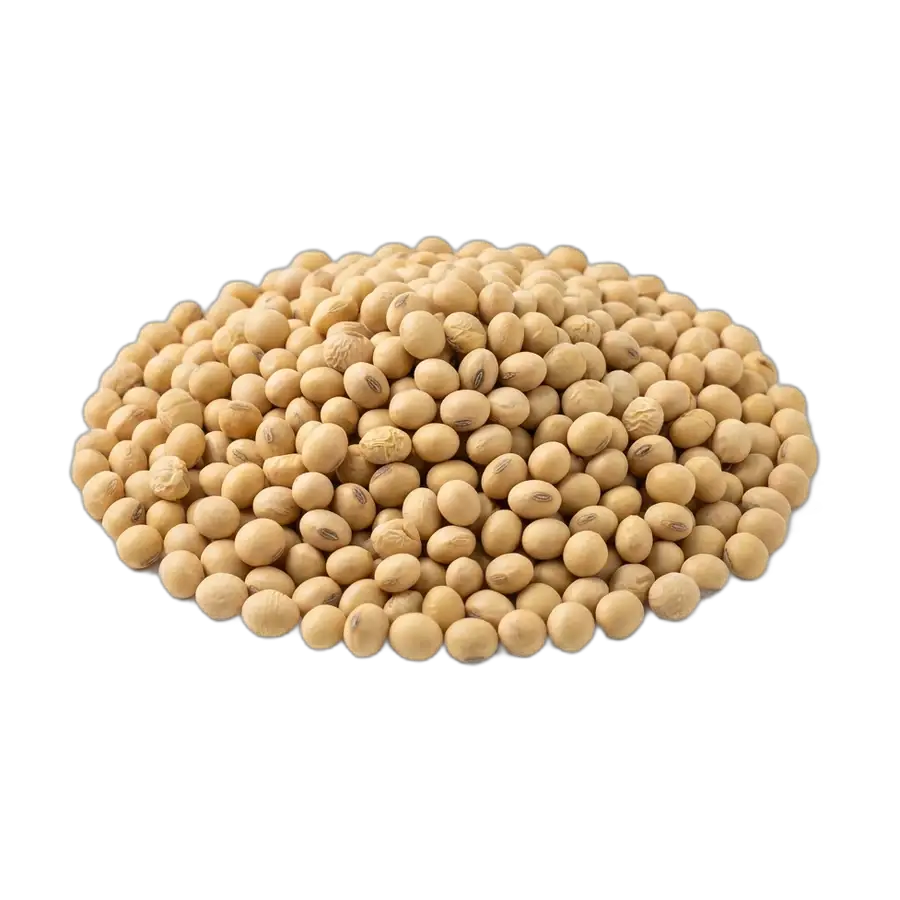
Soya Isoflavones
Soya isoflavones are plant compounds found mainly in soybeans. They attract scientific interest because their structure allows weak interaction with oestrogen receptors, yet regulators have not authorised health claims for them.
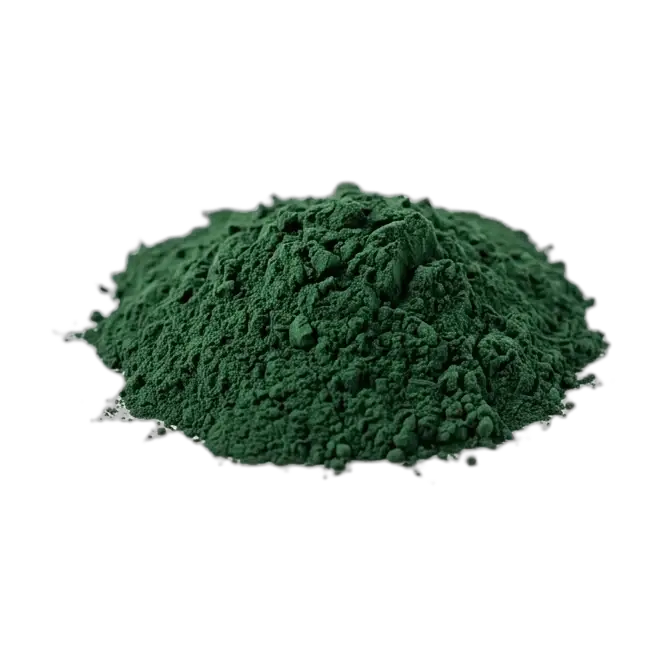
Spirulina
Ancient and compact, spirulina is a blue‑green cyanobacterium packed into a small, powdery package. It’s a whole‑food botanical with a distinctive pigment and an unusually high protein fraction by dry weight.
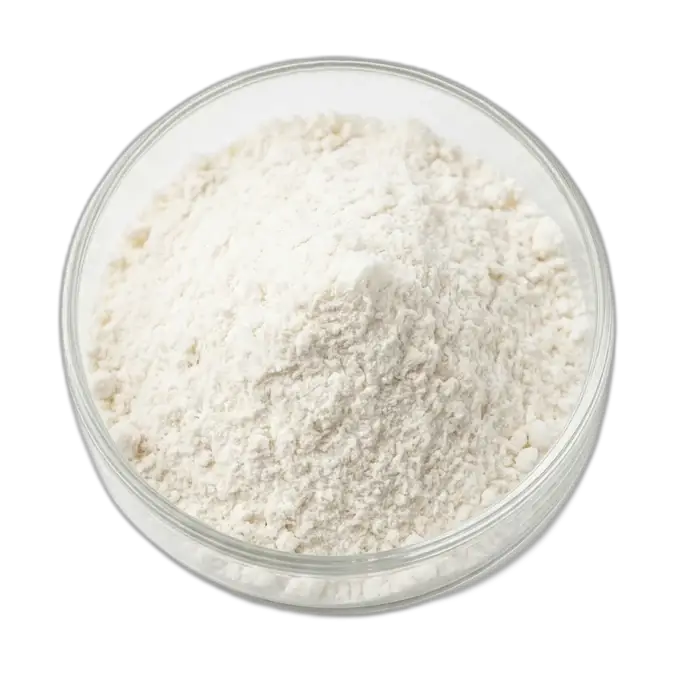
Streptococcus thermophilus
Streptococcus thermophilus is one of the two classic yoghurt bacteria and a common component of live-culture food products. This note explains what the organism is, how it is used in foods and in WellsparQ products, and the regulatory position on claiming benefits for live cultures.
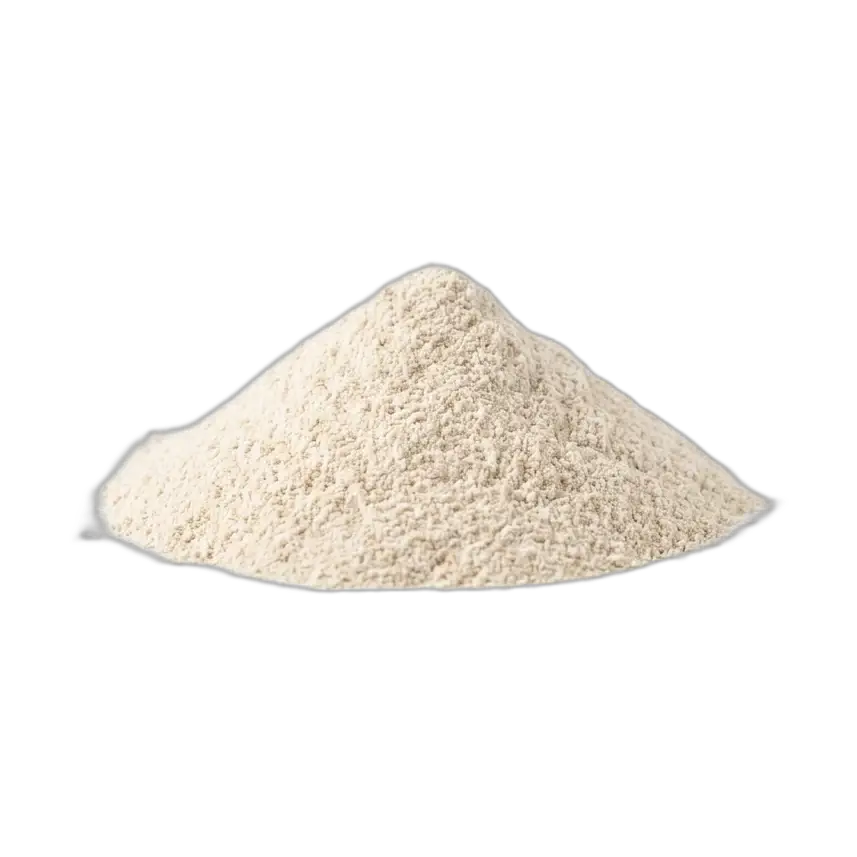
Sugar Beet Fibre
Sugar beet fibre comes from the pulp left after sugar is extracted from the beet. It is a mixed fibre ingredient that supplies both soluble and insoluble fractions and is used as a declared, weighed fibre source in food and supplements.
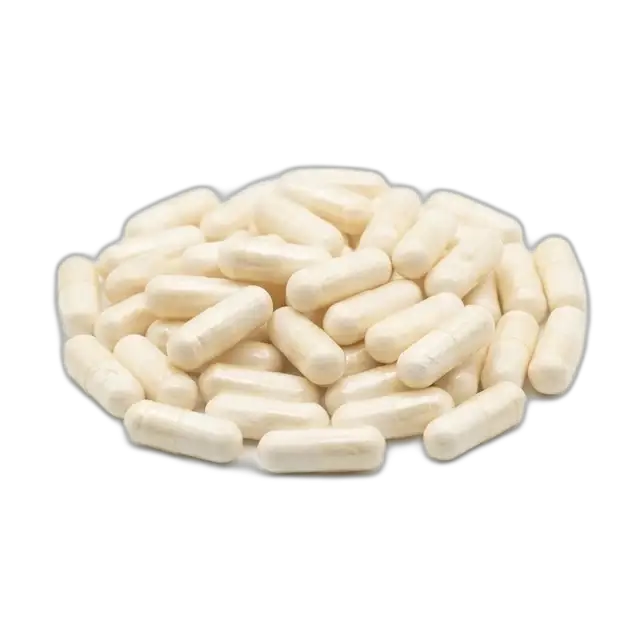
Taurine
Taurine turns up on energy‑drink labels but it’s far more than a marketing line. It’s one of the most abundant free amino acids in the body and appears in concentrated tissues such as heart, muscle, brain and eye.
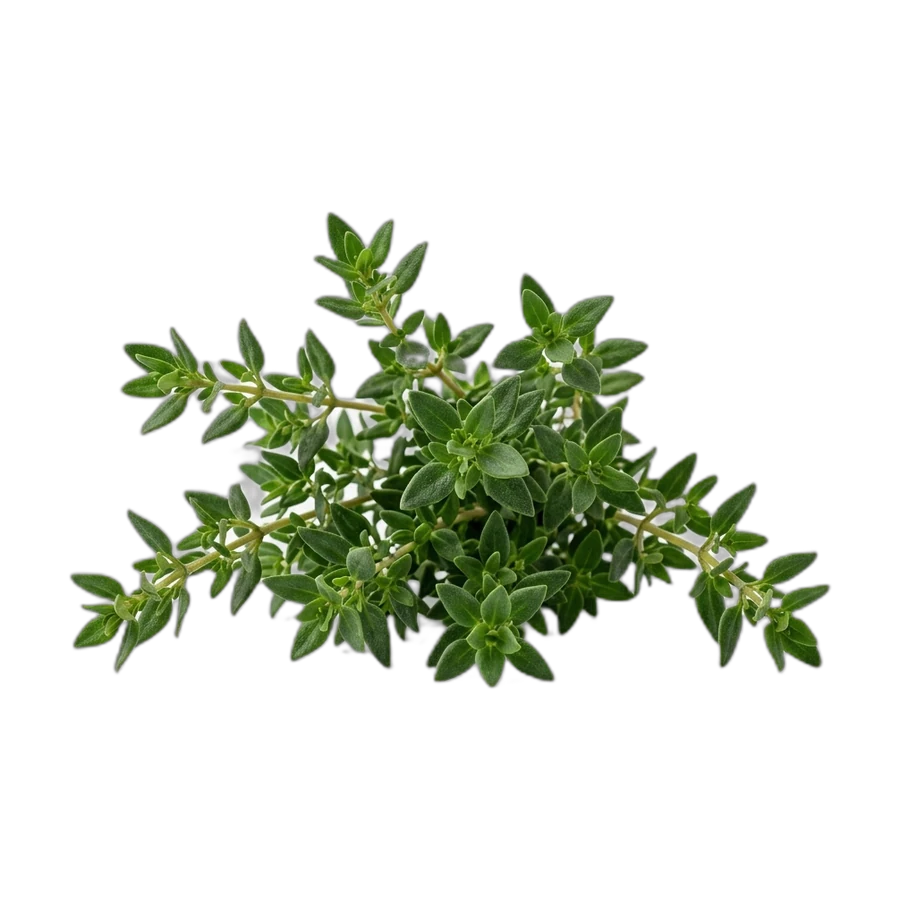
Thyme Leaf
Thyme leaf is a tiny, deliberate botanical in two WellsparQ formulas. This article outlines what the plant is, what’s in its aroma, and how regulation shapes how we can describe it.
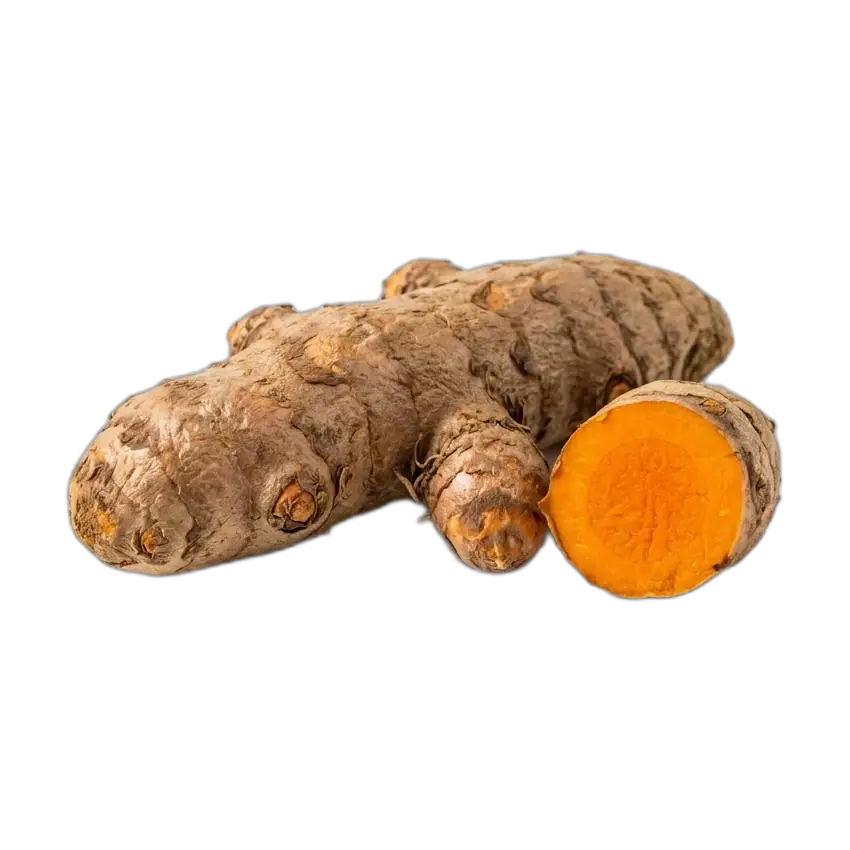
Turmeric
Bright yellow, earthy-smelling, and measured by the milligram — turmeric is both a kitchen staple and a carefully quantified ingredient in supplements. This article explains what’s actually in the root and why WellsparQ lists exact curcuminoid amounts on its labels.
Vitamin A
Vitamin A comes in two distinct dietary forms and is stored in the body. That storage means dose matters: the body handles plant-derived precursors differently from preformed retinol.

Vitamin B1 (Thiamin)
Thiamin (vitamin B1) is a small, water‑soluble vitamin that plays a clear biochemical role in how the body processes carbohydrate. Its history — from the discovery linked to beriberi to modern dietary labelling — shows why it’s treated as an essential nutrient rather than a marketing flourish.
Vitamin B12
Vitamin B12 is the one micronutrient that a plant-based diet cannot reliably supply from unfortified foods. This article explains what B12 is, why absorption is unusual, who may need to plan for it, and how WellsparQ labels and uses the vitamin.
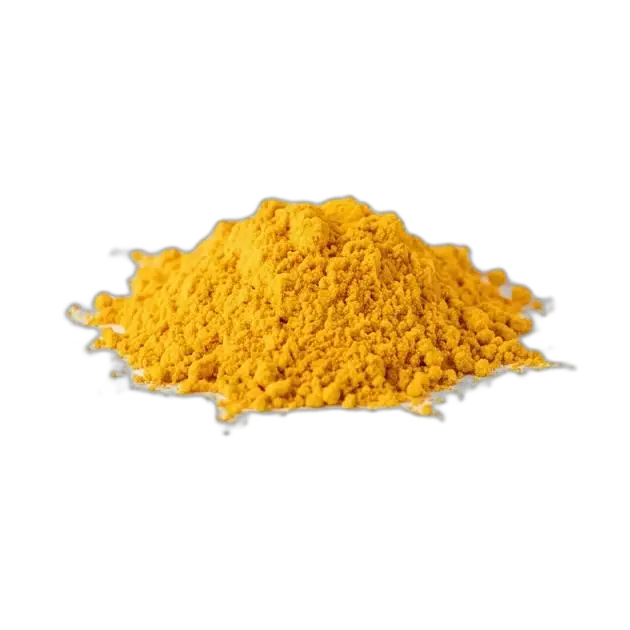
Vitamin B2 (Riboflavin)
Riboflavin is the bright-yellow B vitamin that can turn your urine fluorescent — a harmless sign it’s present. It quietly forms two coenzymes that play central roles in basic cellular chemistry.
Vitamin B3 (Niacin)
Niacin, also called vitamin B3, comes in two forms — nicotinic acid and nicotinamide — that the body uses to make NAD and NADP, key coenzymes in every cell. It is a regulated nutrient with specific authorised claim wording in the EU, so we can state those contributions exactly.
Vitamin B5 (Pantothenic Acid)
Pantothenic acid — vitamin B5 — is literally named for being everywhere. It helps make coenzyme A, a molecule nearly all cells use, so the vitamin quietly supports many basic processes.
Vitamin B6
Vitamin B6 is a versatile B vitamin with a clear regulatory place — and a genuine upper limit you should know about. WellsparQ labels its products precisely and flags higher doses so customers can take them safely.
Vitamin C
Vitamin C is one of the few vitamins whose absence shaped history. It is a water‑soluble nutrient with clear, authorised functions in the body and a wide presence across the WellsparQ range.
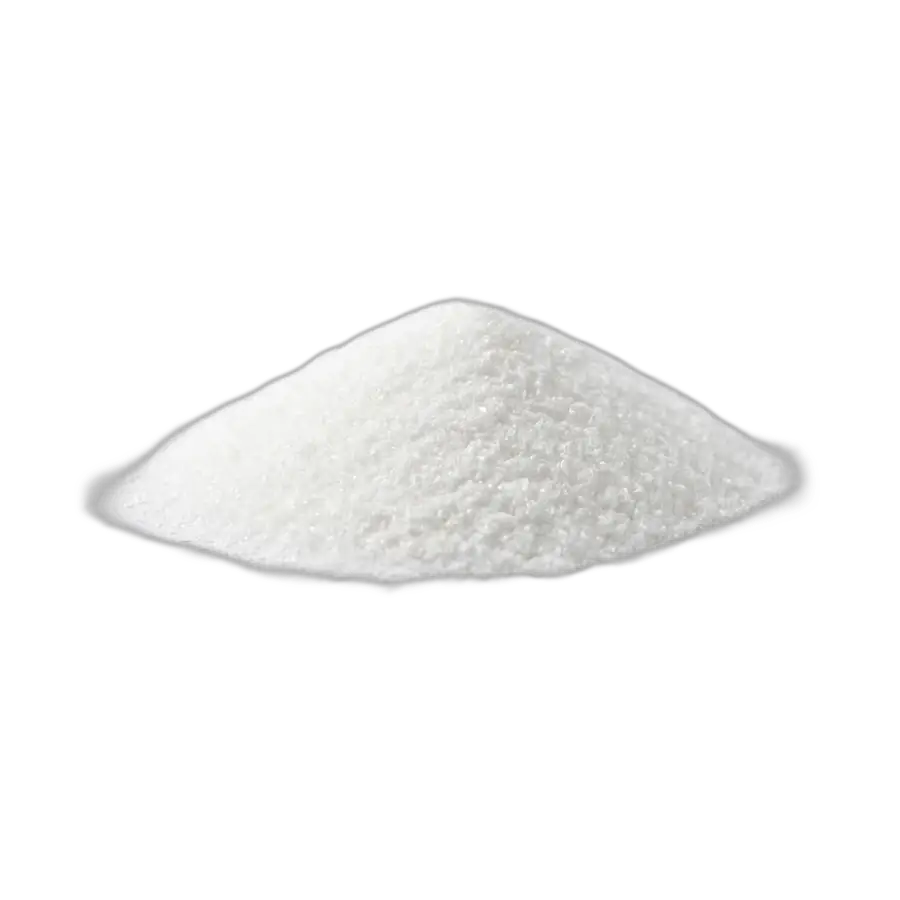
Vitamin D
Sunlight makes most of our vitamin D, but in the UK that process falls short for many people across autumn and winter. Supplements and careful sourcing matter — especially for those avoiding animal-derived ingredients.
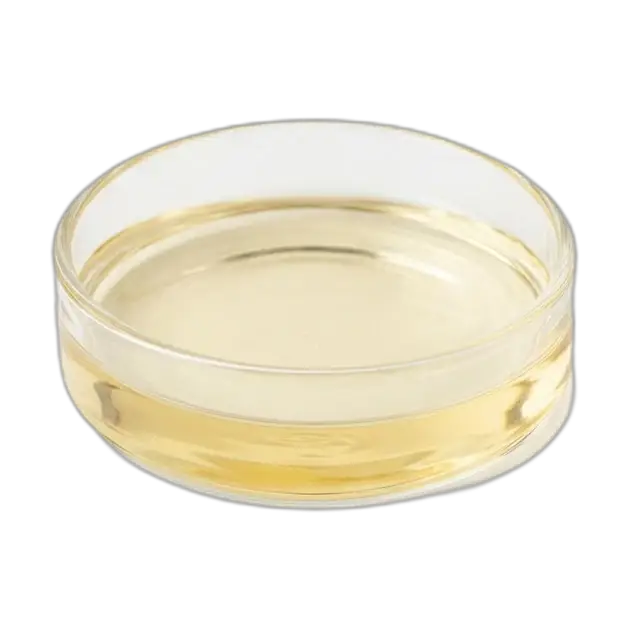
Vitamin E
Vitamin E is the fat-soluble antioxidant the body retains and uses most: alpha‑tocopherol. It sits in cell membranes and helps limit oxidative damage to fatty components. WellsparQ lists it clearly on labels, usually in the natural d‑alpha form.
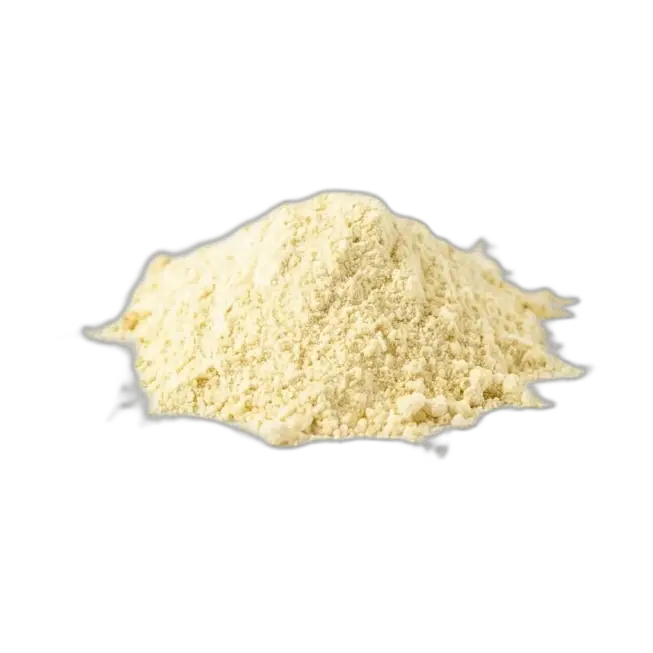
Vitamin K2
Vitamin K2 (menaquinone-7) is the K-family vitamin often paired with vitamin D3. WellsparQ uses MK-7 in small, specified amounts and flags one important interaction to be aware of.
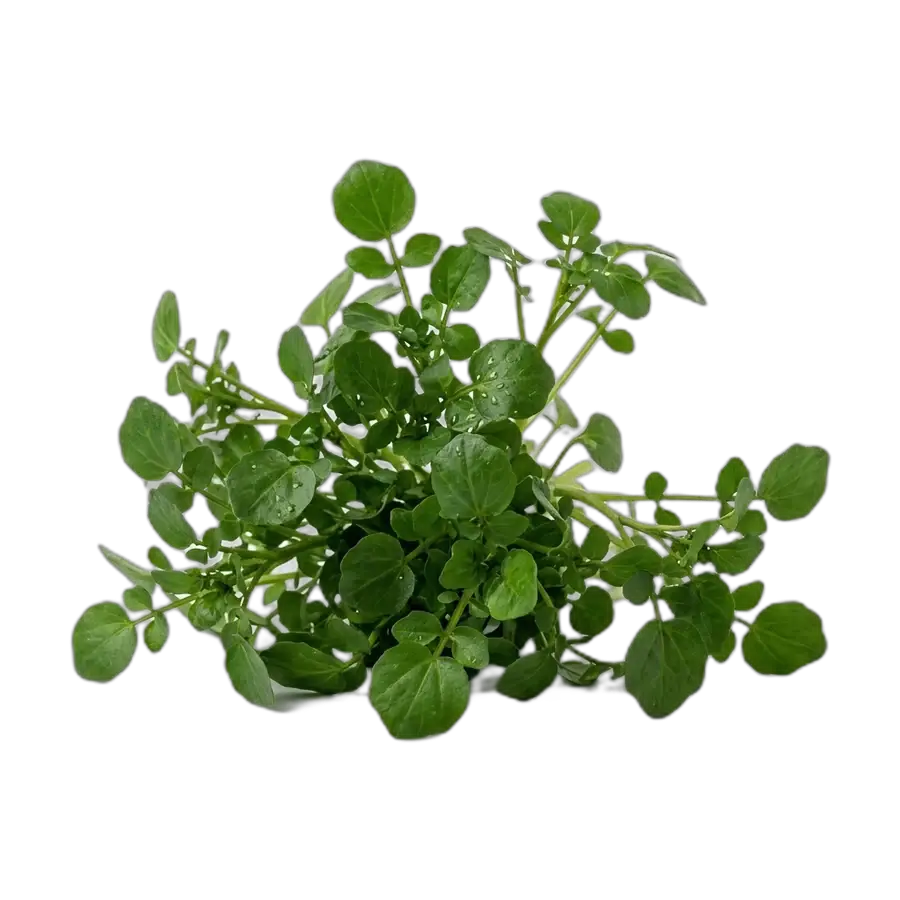
Watercress
Watercress is a peppery, fast-growing leaf vegetable that thrives in cool, running water. It is a brassica with a long culinary history and a distinct phytochemical profile centred on gluconasturtiin and its breakdown product, PEITC.
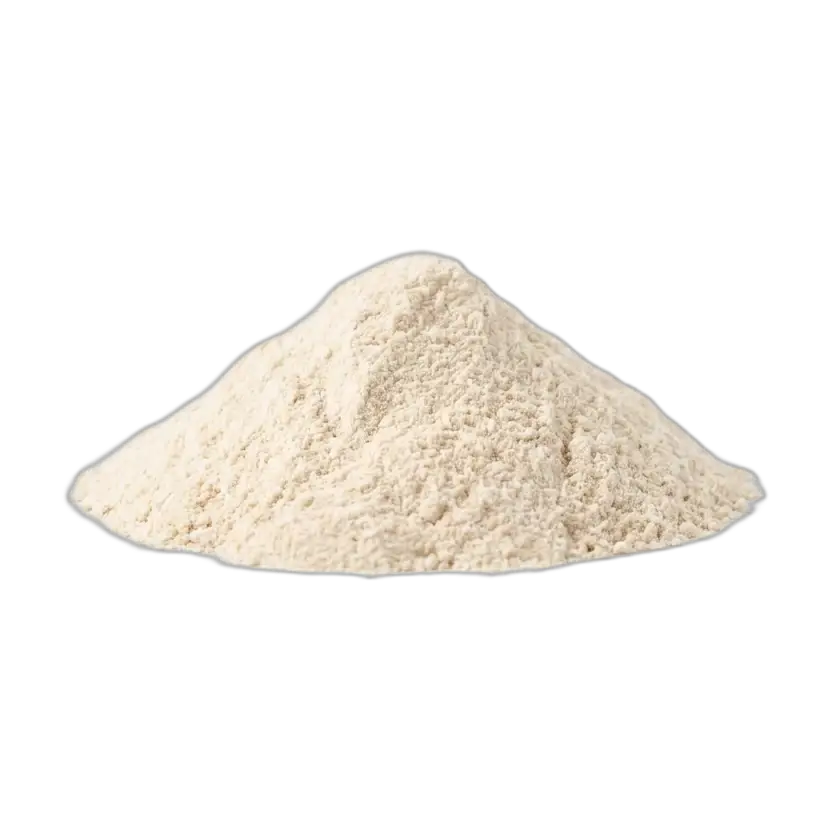
Whey Protein
Whey protein is the one dairy ingredient in an otherwise plant-focused range. It’s a filtered milk fraction valued for its amino-acid profile, not for any extraordinary claims.
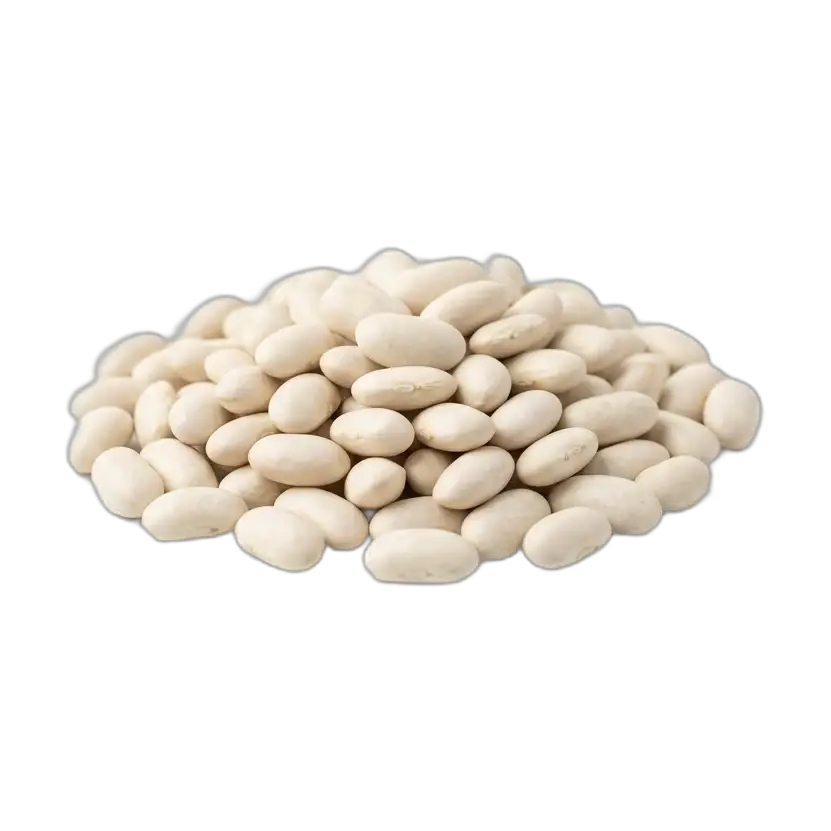
White Kidney Bean
White kidney bean shows up in supplements as a concentrated protein extract rather than as a whole food. Known for one specific protein, it has been studied in lab work and human trials for effects related to starch digestion and body composition.
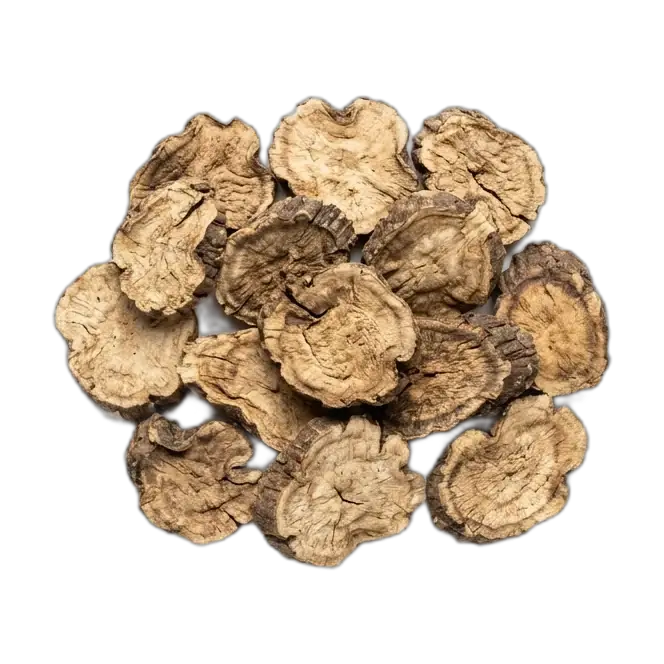
Wild Yam
Wild yam has a long cultural history and a real chemical story. Its headline molecule, diosgenin, helped build the steroid industry — but a common belief about the plant needs correcting.
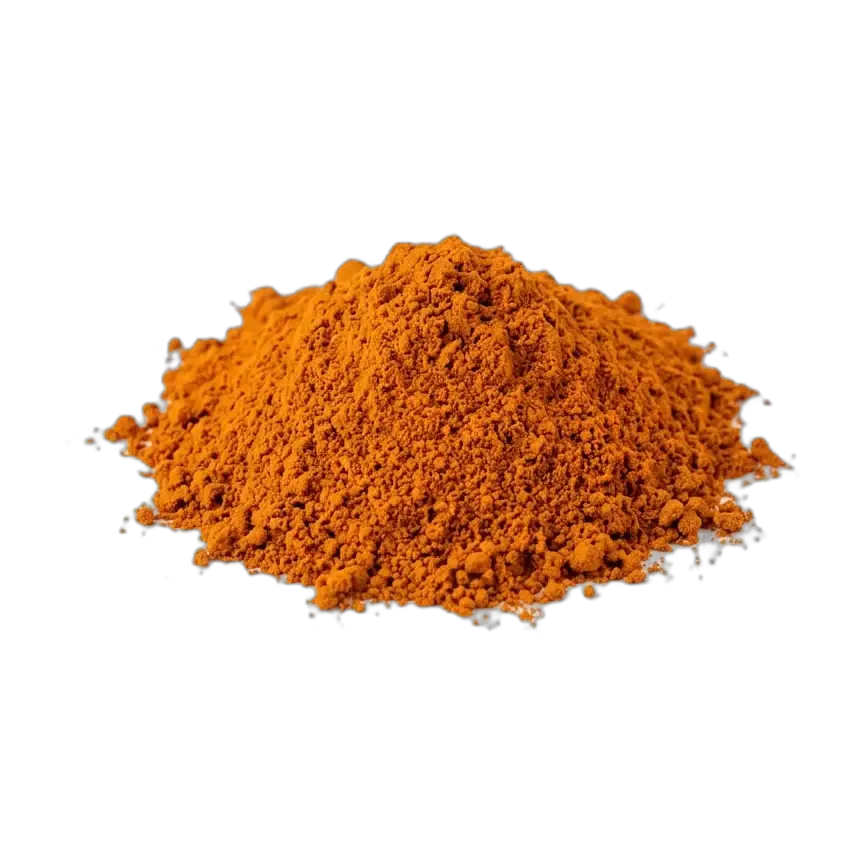
Zeaxanthin
Zeaxanthin is a yellow xanthophyll that the eye selectively stores in the macula. It appears alongside lutein in many eye-focused formulas, yet it carries no authorised health claim in the UK.
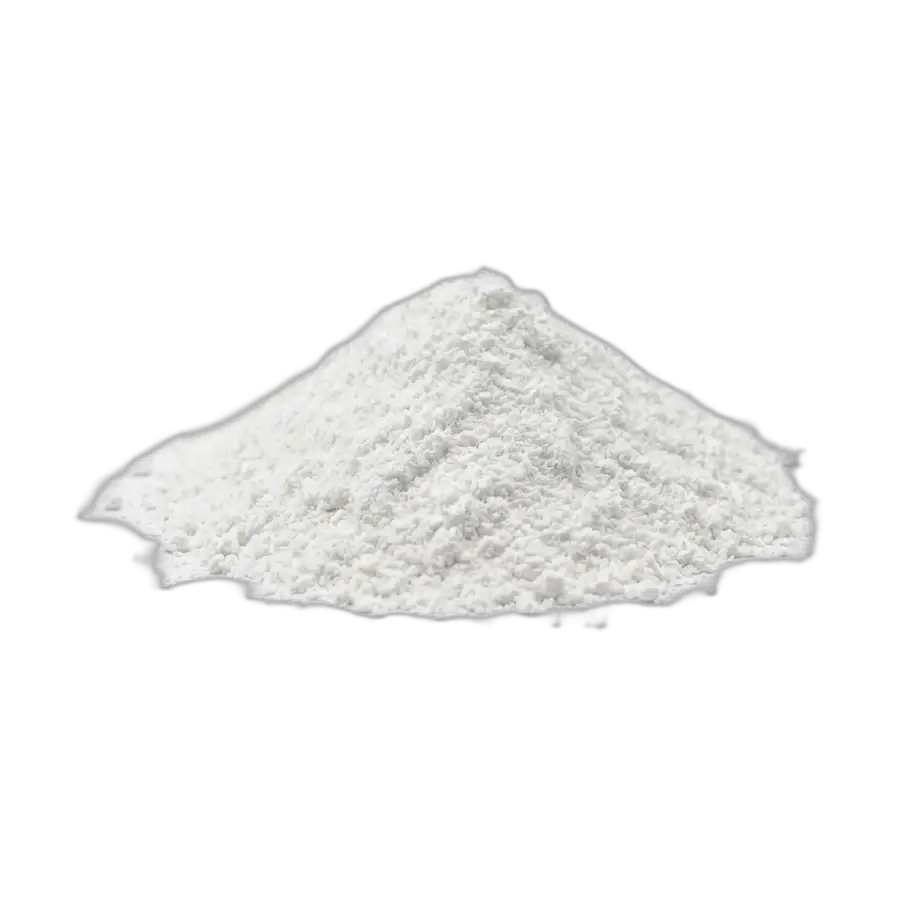
Zinc
Zinc is a tiny mineral with outsized presence on supplement labels. It is one of the few ingredients that carries authorised EU-derived wording — but only in exact phrases and only when the product supplies enough.
General information only — not medical advice. Food supplements should not be used as a substitute for a varied diet and a healthy lifestyle.